Staff Correspondent
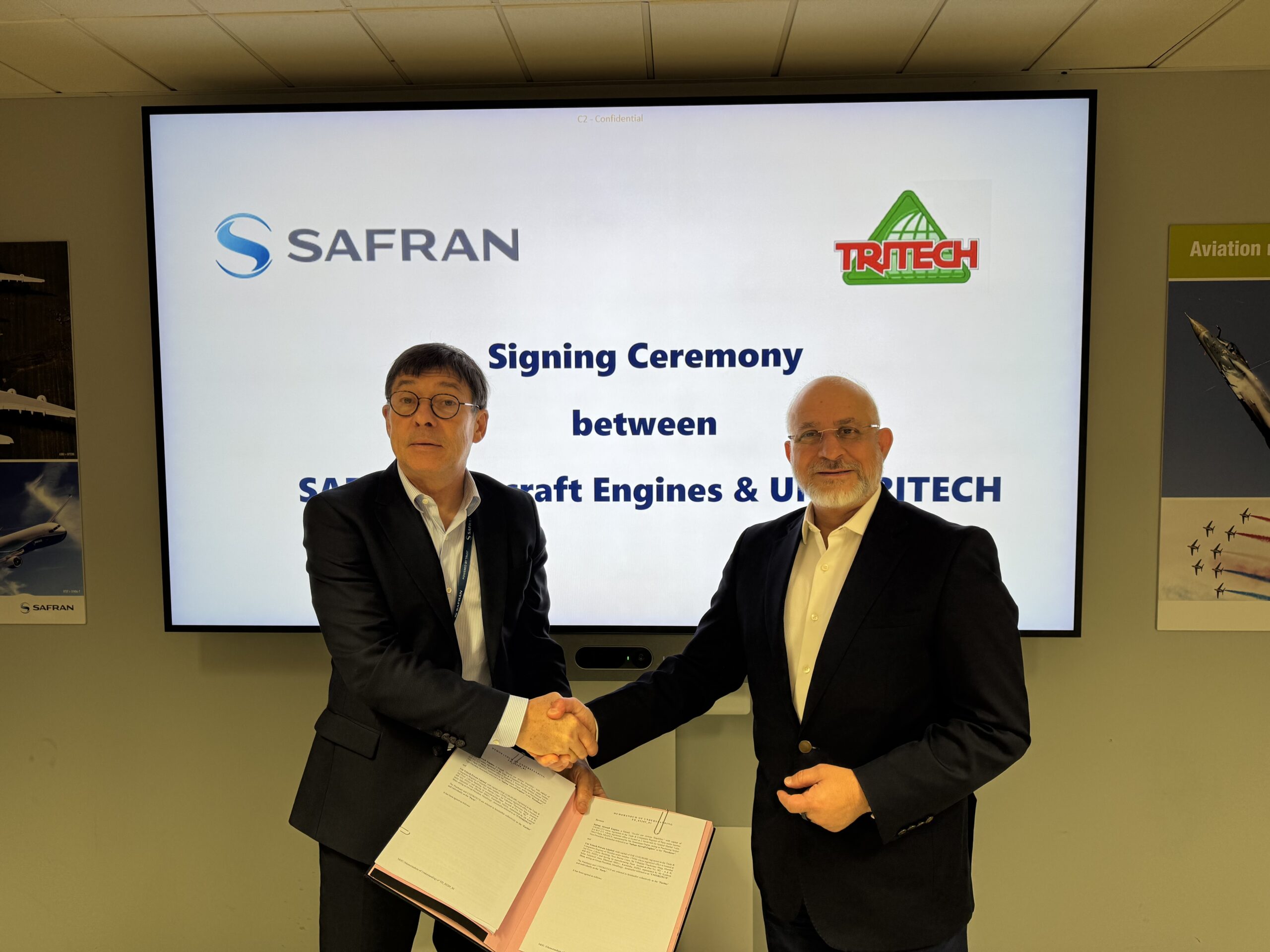
An electrifying moment has arrived for the global aerospace industry and for India’s manufacturing ambitions: Safran Aircraft Engines and Uni Tritech Private Limited have signed a Memorandum of Understanding to produce aluminium investment-cast components for the world-leading CFM LEAP engine program in India. This milestone partnership—pairing Safran’s technological leadership with Uni Tritech’s advanced foundry expertise and the Neterwala Group’s industrial pedigree—not only strengthens a resilient, diversified global supply chain but also accelerates India’s rise as a key hub for high-precision aerospace manufacturing. The implications for performance, competitiveness, skills development, and technological sovereignty are profound and cause for enthusiastic celebration.
A Strategic Collaboration With Global Impact
The LEAP engine family (LEAP-1A and LEAP-1B), the heart of the newest generation of single-aisle commercial aircraft, represents the most advanced combination of fuel efficiency, performance and durability available for commercial aviation today. By enabling the production of aluminium investment-cast parts for these engines in Dharwad, Karnataka, this collaboration embeds India more deeply in the supply chain of a critical, high-volume aerospace program. For Safran Aircraft Engines, the agreement is a strategic move to broaden and strengthen its supplier base—introducing new capacity and resilience. For Uni Tritech and the Neterwala Group, it marks a defining validation of their metallurgy expertise, precision engineering capabilities, and readiness to meet the most exacting aerospace standards.
Precision Production In India: From Casting To Certification
Under the MoU, Uni Tritech will cast, machine, and apply specialized treatments to aluminium investment-cast components for LEAP-1A and LEAP-1B engines. These activities demand the highest levels of metallurgical know-how, process control, and quality assurance. Investment casting for aerospace components requires meticulous control over alloy chemistry, mould design, solidification behaviour, and defect elimination; subsequent precision machining and thermal or surface treatments must preserve structural integrity and dimensional fidelity under the most rigorous tolerances. That these processes will be carried out in India—meeting the certification, safety, and performance benchmarks required by next-generation commercial engines—speaks volumes about the maturity of Indian aerospace manufacturing capabilities and the confidence international OEMs place in them.
Uni Tritech: Advanced Foundry Technologies Meet Global Standards
Uni Tritech’s portfolio—advanced casting, precision machining, and proprietary metallurgical processes—provides a strong foundation for this collaboration. The company’s Dharwad facility will be central to delivering components that satisfy tight specifications for mechanical properties, microstructure, fatigue resistance, and corrosion behaviour—attributes essential for engine reliability and longevity. Through careful process development, rigorous testing, and adherence to aerospace-quality management systems, Uni Tritech will produce components that must perform under extreme temperatures, stresses, and cyclic loading conditions typical of turbine-engine operation.
Strengthening Supply-Chain Resilience & Global Partnership
This partnership aligns with Safran Aircraft Engines’ strategic objectives to build a resilient, diversified global supply base capable of supporting the rapid ramp-up of LEAP production as air travel demand recovers and grows. Bringing a trusted, certified aluminium foundry partner into India reduces geographic concentration risks, shortens supply pathways for select components, and injects local manufacturing capacity into a high-stakes program. It also opens a pathway for further collaboration—technology transfer, joint process optimization, shared quality frameworks, and skills development programs that can raise the entire ecosystem.
A Catalyst For Skills, Innovation & Industrial Growth In India
Beyond delivering components, the collaboration promises broader industrial benefits. Training and upskilling opportunities at the Dharwad facility will nurture a workforce versed in advanced metallurgy, tight-tolerance machining, and aerospace-quality compliance. Local suppliers and service providers will be stimulated to meet new standards, creating multiplier effects across the regional manufacturing landscape. The presence of LEAP component production in India will also encourage R&D collaborations, foster improvements in materials science and process control, and inspire confidence among other global aerospace players considering India as a manufacturing destination.
Leadership Perspectives: Pride, Capability & Shared Vision
Statements from company leaders underscore the significance of this alliance. Kuldeep Bhan, Group President – Global Metallurgy Business of the Neterwala Group, framed the agreement as a defining milestone that validates Uni Tritech’s advanced metallurgy and engineering prowess while reinforcing the group’s commitment to global aerospace programs. Dominique Dupuy, Vice President, Purchasing at Safran Aircraft Engines, emphasized the partnership’s role in strengthening supply chain resilience and highlighted India’s growing position as an aerospace manufacturing hub. These voices reflect the shared ambition of creating reliable, high-quality manufacturing capacity aligned with the highest industry standards.
Supporting The LEAP Program’s Growth & Aviation’s Future
The LEAP engine family powers many of the world’s most efficient single-aisle airliners, delivering substantial fuel savings, lower emissions, and reduced operating costs for airlines. As global air travel rebounds and fleets expand, manufacturing capacity for LEAP components must scale without compromising quality. This MoU supports scaling by bringing capable, certified production into India—helping to meet the program’s needs while enabling Safran and its partners to be more agile and responsive to market demands.
Broader Geopolitical & Economic Significance
This agreement also reflects broader trends: aerospace globalization coupled with the strategic decentralization of critical supply chains. For India, it reinforces the nation’s “Make in India” narrative in a high-technology segment that creates high-value jobs and has strong export potential. For global OEMs, it demonstrates that India can supply precision-engineered components for safety-critical applications, building trust that can lead to deeper industrial linkages, localized R&D, and future co-development projects.
Looking Ahead: Opportunities & Momentum
The signing of this MoU is a beginning, not a conclusion. Successful implementation will require sustained investment in process validation, workforce training, quality systems, and close collaboration between engineering and certification teams. If executed well, it sets the stage for expanded manufacturing scopes, subsequent certifications for additional parts or processes, and the potential to serve other aerospace platforms. The knowledge and capabilities fostered by this partnership will ripple outward—paving the way for a more capable, competitive, and innovation-rich Indian aerospace sector.