Kamal Shah
India’s defence modernization is about more than acquiring advanced platforms—it’s about keeping fleets mission-ready, embracing new technologies and building a stronger domestic industry.
With the C-17, P-8I, Apache and Chinook serving the Indian Armed Forces, Boeing is expanding its role in India through sustainment, digital engineering, local manufacturing, MRO and partnerships with Indian industry.
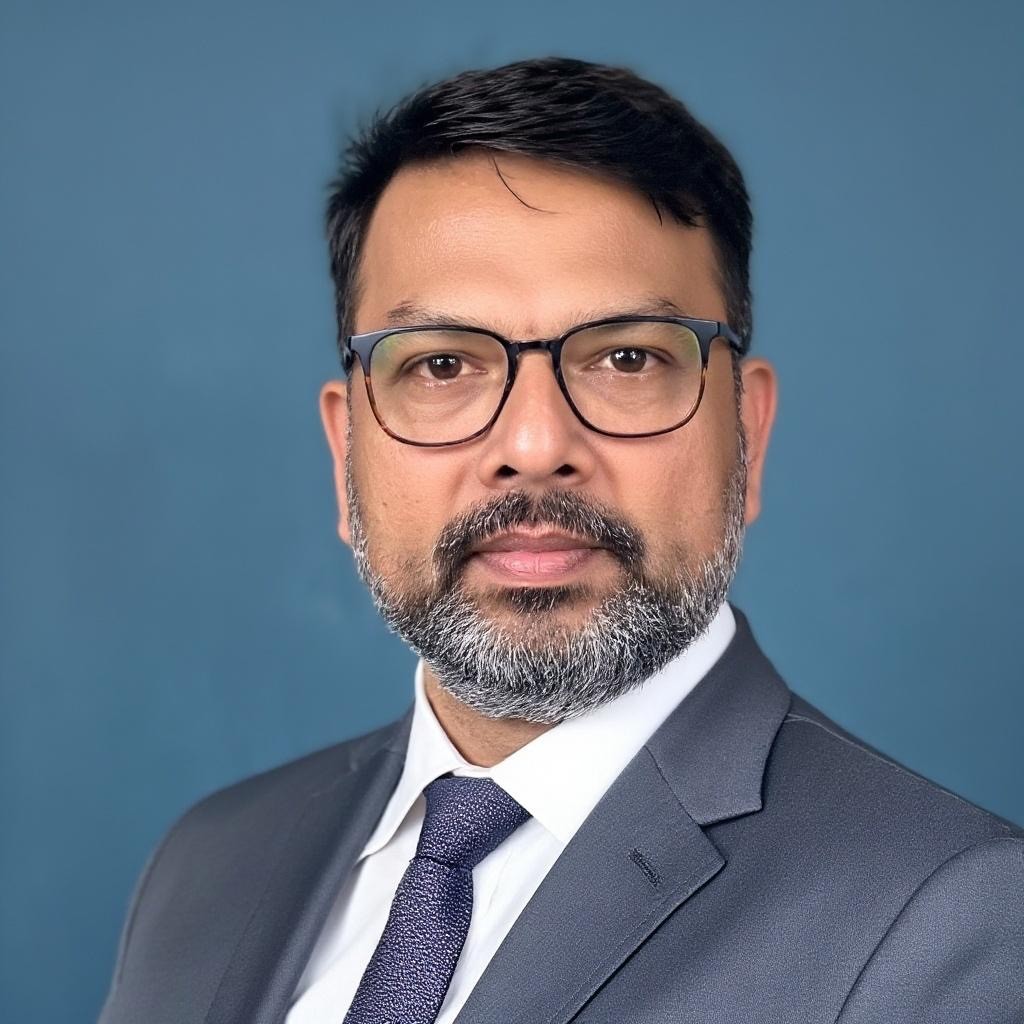
In this exclusive conversation with Indian Aerospace & Defence Magazine (IA&D), Nikhil Joshi, Managing Director, Boeing Defence India, discusses fleet readiness, emerging technologies and opportunities for Indian companies to contribute to global aerospace programmes. He shares how Boeing aims to support India’s operational needs while helping build enduring capabilities and a more self-reliant defence ecosystem.
Q. Considering the Indian Air Force’s ongoing modernization efforts and the complexities of its operational theatre, how does Boeing strategically position itself to serve as a key partner in fulfilling the IAF’s evolving near-term tactical requirements and its long-term strategic capability objectives?
A. Our approach to supporting India’s defence modernization rests on mission readiness, long-term sustainment and stronger capabilities within India’s aerospace and defence ecosystem. In the near term, we focus on the readiness and availability of platforms already serving the Indian Armed Forces through sustainment, training, engineering, and supply-chain support. Our Performance-Based Logistics arrangements for the Apache, Chinook and P-8I fleets are built around agreed readiness outcomes. The C-17 fleet draws on the Globemaster Integrated Sustainment Program and its global pool of parts and services.
Over the longer term, we are working with Indian industry to build capability across manufacturing, engineering, sustainment, systems integration and next-generation technologies, enabling Indian industry to take on increasingly complex roles across both domestic and global programmes.
Q. The C-17 is central to India’s strategic airlift capability. What technical features enable it to operate from challenging airfields, and how can it support rapid deployment, disaster relief and humanitarian assistance?
A. The C-17 blends strategic reach with tactical flexibility, moving tanks, heavy equipment, supplies, and personnel over long distances and into demanding operating environments. Its ability to operate from austere, challenging airfields gives the Indian Air Force the versatility to deploy rapidly across military and humanitarian missions. Designed to operate from short and austere runways while carrying oversized cargo, the aircraft combines long-range reach with the ability to access locations that may be difficult for larger transport aircraft.
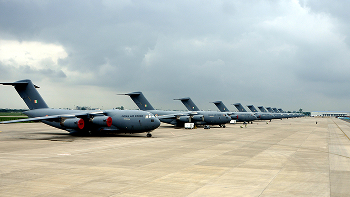
India operates the largest C-17 fleet outside the United States and has routinely relied on the C-17 to transport heavy equipment and, during the COVID-19 pandemic, to deliver critical medical supplies and conduct evacuations. The aircraft gives the IAF significant strategic airlift and rapid-response capability when needed and has also played a vital role in humanitarian and disaster-relief operations at home and abroad.
- Q. Delving into the operational efficacy of the P-8I, could you elaborate on the specific methodologies by which its integrated suite of advanced sensors, secure data links, and sophisticated mission systems collaboratively enable flight crews to construct and disseminate a dynamic, real-time understanding of the maritime battlespace among relevant stakeholders?
- A. The P-8I is a multi-mission maritime patrol aircraft that provides the Indian Navy with long-range maritime surveillance, reconnaissance and anti-submarine warfare capabilities. Its mission systems, sensors, communications and data links are integrated to support these missions and enable interoperability with other assets.
The aircraft integrates sensors, mission systems, communications and data links to help crews develop a comprehensive maritime picture, track activity across large areas, and share information with other assets as part of coordinated operations.
India was the first international customer for the P-8 and is today one of the largest operators of the aircraft outside the United States. Boeing continues to support the P-8I fleet through training, spare parts, ground support equipment and field-service support, while partnerships with Indian companies are expanding local MRO capabilities.
- Q. How is Boeing incorporating advances in artificial intelligence, autonomy, data analytics and digital engineering into its defence systems, and where do you see the most practical near-term applications for India?
- A. Boeing is applying data analytics, digital engineering and predictive maintenance tools to improve fleet availability, optimize sustainment and strengthen mission readiness. These capabilities help operators make more informed maintenance decisions, reduce downtime, improve training effectiveness, and strengthen lifecycle support. For example, Boeing’s Next Generation Performance-Based Logistics (NGPS) approach uses data-driven insights to anticipate maintenance needs, improve sustainment planning and support higher levels of operational readiness. As India continues to expand its aerospace and defence capabilities, the most immediate opportunities lie in areas such as maintenance planning, supply-chain management, training and long-term fleet sustainment, where digital technologies can improve efficiency and readiness.
Boeing is also partnering with Indian industry to advance autonomous maritime systems. Liquid Robotics, a Boeing company, is collaborating with Sagar Defence Engineering to co-develop and co-produce Wave Glider uncrewed surface vehicles. This collaboration pairs Boeing’s autonomous maritime technology with Indian engineering and manufacturing to strengthen maritime security and undersea domain awareness.
- Q. What skills and infrastructure are needed to deepen India’s role in the aerospace supply chain, particularly in areas such as advanced manufacturing, software, systems integration and sustainment?
- A. India already has strong capabilities in engineering talent, digital technologies, precision manufacturing, advanced materials and complex aerostructures. The next step is to build on this foundation and move further up the value chain, with stronger capabilities in systems engineering, software, electronics, testing, certification, and lifecycle support. This will require continued investment in advanced manufacturing infrastructure, test and validation facilities, digital tools and globally benchmarked quality systems, along with a workforce trained for increasingly complex aerospace requirements. Stronger in-country MRO and engineering capabilities will also be important for long-term sustainment.
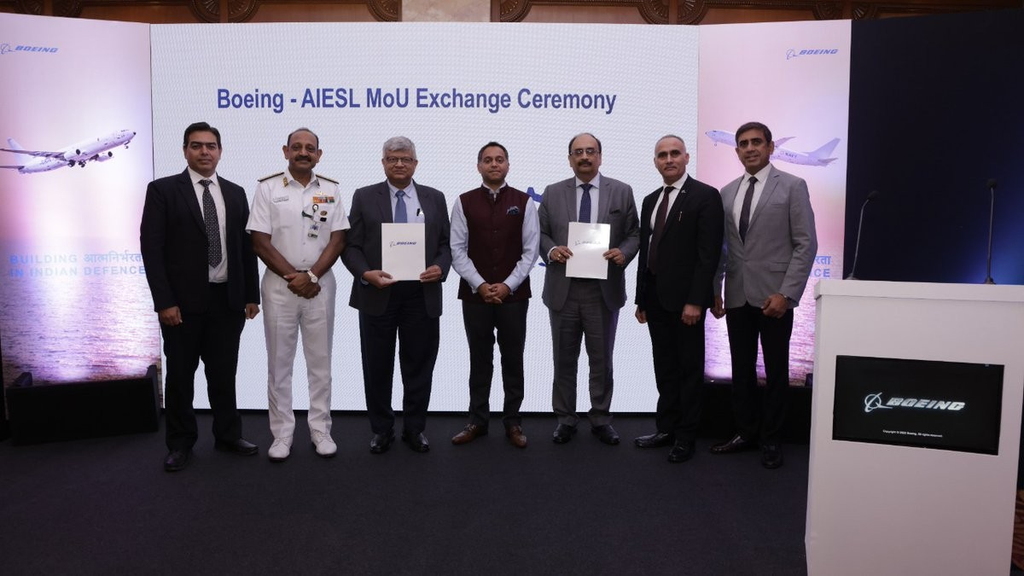
India is already moving in this direction. AI Engineering Services Limited’s overhaul of P-8I landing gear shows how India’s civil MRO infrastructure can support complex defence platforms. The opportunity now is to build on these capabilities and expand Indian industry’s role from manufacturing into engineering, systems integration, sustainment and co-development.
- Q. India is seeking to build a stronger domestic defence and aerospace industry. How is Boeing working with Indian companies, universities and suppliers, and what technical capabilities can Indian partners contribute to global aerospace programmes?
- A. Boeing has partnered with India’s aerospace sector for more than eight decades. What began with aircraft deliveries has gradually evolved into a comprehensive relationship that now includes manufacturing, engineering, sustainment, research, skilling, and technology development.
This deepening partnership is reflected in the growing role Indian companies play in Boeing’s global supply chain. Today, Boeing sources more than $1.4 billion annually from over 375 Indian suppliers, reflecting the country’s expanding manufacturing and engineering capabilities. The Hyderabad-based Tata Boeing Aerospace Limited facility has produced more than 400 Apache fuselages for global programs and manufactures 737 vertical fin structures.
Alongside growing industrial ties, Boeing is investing in India’s talent and innovation pipeline. Through programs focused on aerospace skills, STEM education, and technology development, we are helping to cultivate the workforce and ideas needed to support advanced aerospace activity. Boeing also collaborates with academic and research institutions to strengthen aerospace skills, support innovation, and develop future talent for the sector.
As India’s capabilities in engineering, digital technologies, advanced materials, precision manufacturing, and complex aerostructures continue to mature, Indian partners are well positioned to take on greater responsibilities, from systems integration and lifecycle support to co‑development. This progression will both strengthen India’s aerospace ecosystem and enhance Boeing’s global programs.
All responses are attributed to Nikhil Joshi, Managing Director, Boeing Defence India.