Chaitali Bag
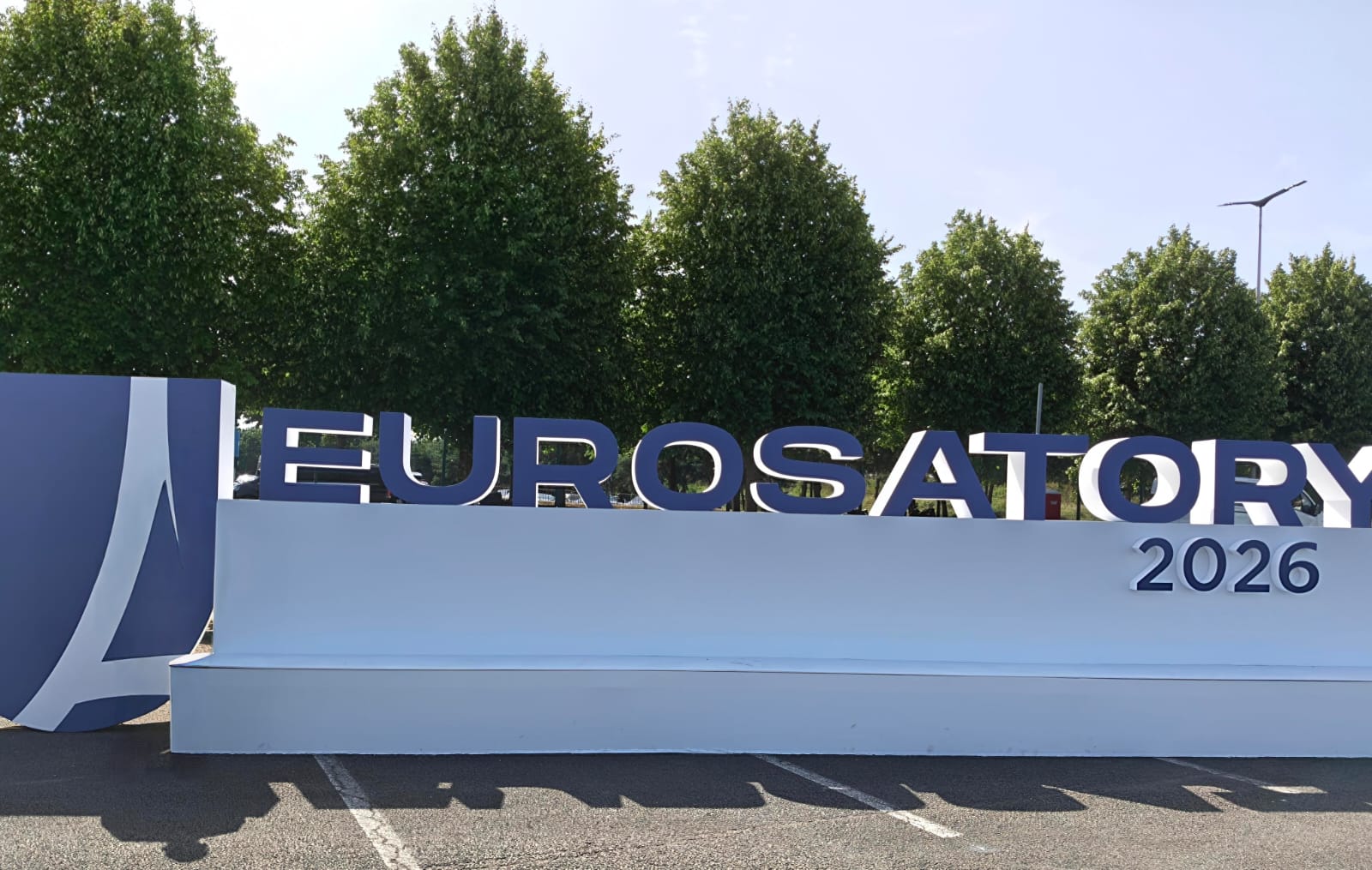
As the gates closed on Eurosatory 2026 in Paris, one conclusion emerged with remarkable clarity: modern defence is no longer defined solely by platforms or firepower. Instead, military capability is increasingly measured by connectivity, artificial intelligence, autonomous systems, cyber resilience, industrial cooperation and the ability to adapt faster than potential adversaries.
Held over five intensive days, Eurosatory once again demonstrated why it remains the world’s premier exhibition dedicated to land and air-land defence and security. Bringing together governments, armed forces, defence manufacturers, research organisations and technology innovators from every corner of the globe, the exhibition served not merely as a marketplace for military hardware but as a strategic forum where the future of warfare was openly debated and collaboratively shaped.
The 2026 edition successfully blended technological innovation with operational realism, presenting visitors with a comprehensive picture of how armed forces are preparing for increasingly complex conflicts across multiple domains.
A Global Gathering of Defence Decision-Makers
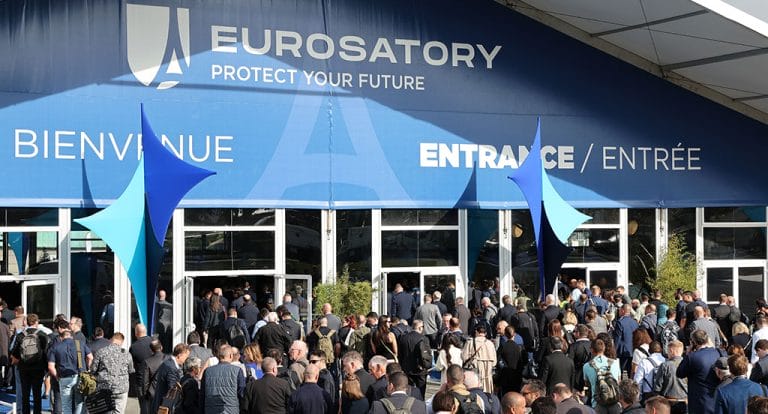
The 2026 edition of Eurosatory opened with unmistakable energy and purpose, its momentum set by the inauguration of Catherine Vautrin, Minister for the Armed Forces and Veterans Affairs. Her presence underscored the exhibition’s central role as a forum where political leadership, military command, procurement authorities and industry converge to shape the future of defence and homeland security. From that first keynote, the event signalled its ambition: not merely to display hardware, but to foster the strategic dialogue and international cooperation necessary to meet an era of complex security challenges.
From the opening hours, the halls thrummed with activity. Official delegations moved from booth to booth, translating diplomatic priorities into concrete conversations about capability and collaboration. Military commanders and technical experts scrutinised emerging systems, from next-generation sensors and unmanned platforms to resilient communications and integrated defence networks — seeking practical solutions adaptable to varied operational needs. Procurement agencies and national ministries weighed long-term requirements and interoperability concerns, while companies, large and small, unveiled innovations designed to respond to rapidly evolving threats and mission profiles.
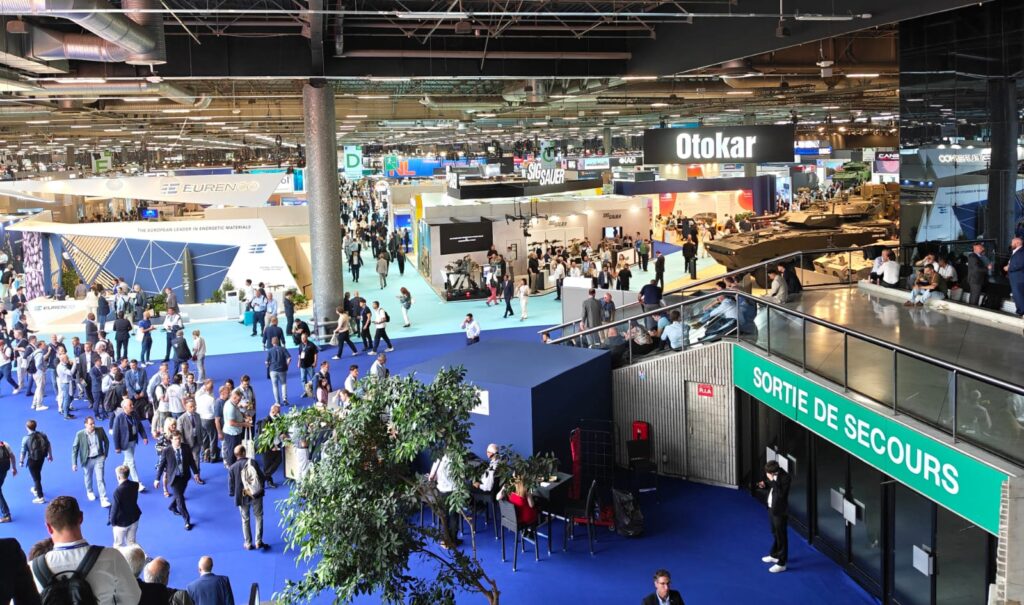
What distinguished Eurosatory 2026 was the sheer scale and diversity of participation. Over 2,600 exhibitors from 67 countries filled the exhibition space with technologies spanning virtually every defence and homeland security segment. Some 440 official delegations from 95 nations and international organisations engaged in bilateral and multilateral talks, reflecting the event’s diplomatic and commercial significance. Roughly 60,000 professional visitors and more than 900 international journalists further amplified the exchange of ideas and the dissemination of developments to global audiences. Those numbers are impressive in themselves; more importantly, they testify to the event’s status as a primary nexus for policy-makers and industry alike.
Beyond statistics, Eurosatory 2026 highlighted a deeper reality: contemporary security is inherently collective. The exhibition served as a reminder that technological innovation and national resilience are strengthened through international dialogue, shared standards and cooperative industrial frameworks. Workshops, panel sessions and side meetings brought together political leaders, defence planners and technologists to discuss interoperability, supply chain resilience, the ethical use of emerging systems, and the integration of artificial intelligence into operational decision-making. These conversations, often as impactful as any new platform on display — advanced practical thinking about collaborative procurement, joint exercises and the institutional mechanisms needed to turn shared intent into coordinated action.
Industry presence at Eurosatory reinforced how commercial ingenuity and defence requirements are increasingly interwoven. Established prime contractors showcased integrated solutions that promise to streamline logistics and command-and-control, while start-ups demonstrated disruptive approaches to autonomy, sensing and cybersecurity. This mix created fertile ground for partnerships: governments seeking scalable, affordable capabilities found potential suppliers and research collaborators; firms discovered openings for international co-development and export opportunities. The dialogue between public and private sectors was thus not merely promotional but foundational to building the interoperable forces and resilient supply chains modern states require.
Finally, the exhibition’s global footprint underscored its geopolitical significance. Delegations from diverse regions brought varied perspectives on threats, priorities and operational contexts, enriching discussions and prompting more nuanced approaches to capability development. That plurality matters: security challenges such as hybrid warfare, transnational terrorism, cyber threats and the militarisation of emerging technologies cannot be addressed in isolation. Eurosatory 2026 reaffirmed that international gatherings — where policy, procurement and technology intersect — are indispensable venues for forging shared responses.
Innovation Driving Tomorrow’s Battlefield
Perhaps the defining characteristic of Eurosatory 2026 was the remarkable breadth of technological innovation on display. Rather than focusing on individual weapon systems alone, exhibitors increasingly presented integrated operational ecosystems designed to connect sensors, platforms, command networks and autonomous assets into unified battlefield architectures.
Artificial Intelligence Emerged As One Of The Exhibition’s Dominant Themes
Across numerous stands, AI-enabled decision support systems demonstrated how commanders can process unprecedented volumes of battlefield information, enabling faster operational decisions while reducing cognitive burden on military leadership. Predictive maintenance, logistics optimisation, autonomous target recognition and mission planning all illustrated AI’s growing integration into defence operations.
Cyber resilience also occupied centre stage, reflecting the reality that future conflicts will unfold simultaneously in both physical and digital domains. Companies presented sophisticated cyber defence solutions capable of protecting military networks, communications infrastructure and critical national assets from increasingly sophisticated cyber threats.
Space-based capabilities attracted significant attention as defence planners increasingly recognise space as an operational domain integral to terrestrial military operations. Satellite communications, intelligence gathering, positioning technologies and resilient navigation systems highlighted how future land operations will depend heavily upon secure access to space-enabled services.
Autonomous systems continued their rapid evolution beyond experimental concepts into operationally deployable capabilities. Ground robots, unmanned aerial systems, autonomous logistics vehicles and collaborative manned-unmanned teaming solutions demonstrated how automation is transforming force structures while reducing operational risk to personnel. Force protection technologies similarly reflected changing operational realities, with advances in active protection systems, electronic warfare, counter-drone solutions, soldier survivability and battlefield situational awareness forming key areas of innovation.
Collectively, these developments revealed an industry increasingly focused not simply on developing better equipment but on delivering integrated capability across every operational domain.
Strategic Conversations Beyond the Exhibition Floor
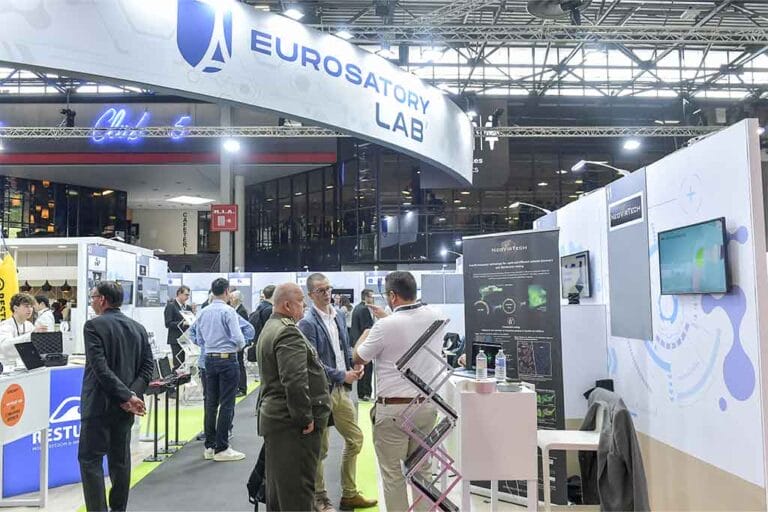
While cutting-edge technology naturally attracted attention, Eurosatory’s conference programme proved equally significant. Throughout the exhibition, senior military leaders, policymakers, defence executives and strategic experts participated in discussions addressing the evolving character of warfare.
One of the most anticipated addresses came from Alice Rufo, Delegate to the Minister for Armed Forces and Veterans, who outlined strategic priorities shaping defence planning and industrial cooperation in an increasingly uncertain global security environment.
The conference sessions consistently examined how armed forces must adapt to rapidly changing operational realities, in which conventional warfare increasingly overlaps with cyber operations, information warfare, autonomous systems, and multi-domain operations.
Several Recurring Themes Emerged Throughout the Discussions
Force modernisation remains an urgent priority for many nations seeking to replace legacy platforms while integrating emerging technologies into existing force structures. Operational mobility was another dominant topic, reflecting lessons drawn from recent conflicts where rapidly deployable, highly mobile forces have demonstrated significant operational advantages across diverse theatres.
Military leaders also explored the growing importance of multi-domain operations, emphasising the need for seamless integration across land, air, cyber, space and electromagnetic environments. Rather than viewing these domains independently, future operations increasingly demand unified command structures capable of synchronising effects across multiple operational theatres simultaneously.
The conference programme, therefore, served not simply as an academic exercise but as a strategic roadmap illustrating how armed forces are preparing for future conflicts.
Bringing Technology to Life
One of Eurosatory’s distinguishing characteristics remains its commitment to operational demonstration rather than static display. Throughout the exhibition, live demonstrations transformed technological concepts into practical operational capabilities.
The demonstration area became one of the busiest sections of the exhibition, where visitors witnessed dynamic presentations by exhibitors alongside operational displays conducted by the French Army.
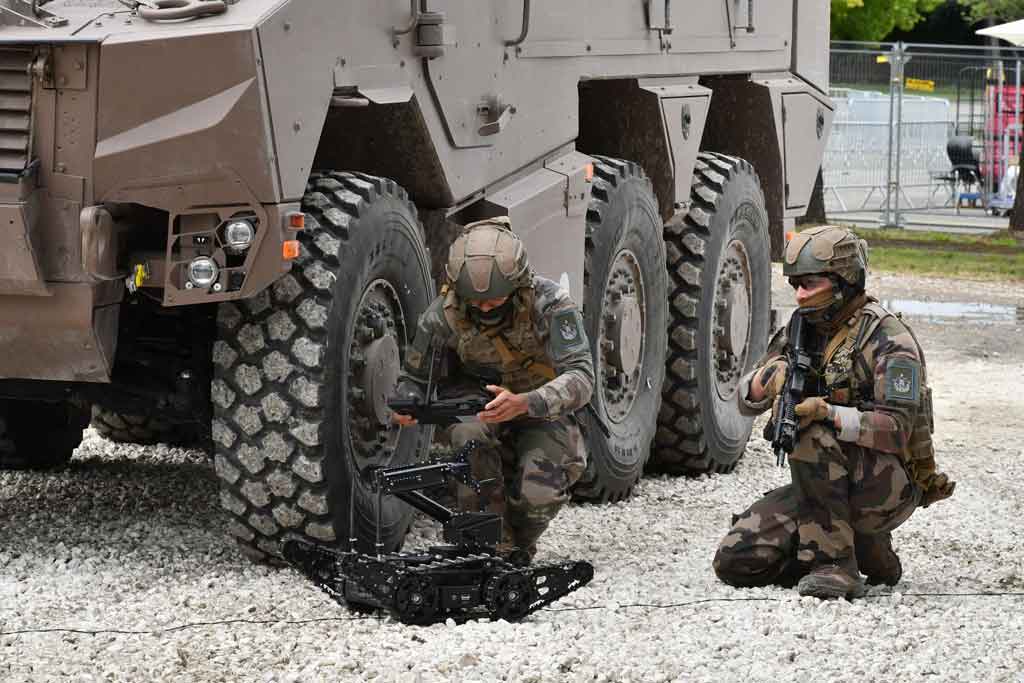
Armoured vehicles negotiated complex terrain, autonomous systems conducted reconnaissance missions, tactical mobility platforms showcased rapid deployment capabilities, and advanced battlefield technologies demonstrated how emerging innovations translate directly into operational effectiveness.
These demonstrations provided invaluable context for military procurement officials evaluating future acquisitions.
Rather than relying solely on brochures or presentations, decision-makers could observe technologies operating under realistic operational conditions, providing greater insight into practical military applications. This emphasis on demonstration reinforces Eurosatory’s reputation as an exhibition grounded firmly in operational reality.
Mobility, Land Power & the Modern Army
As the exhibition progressed, increasing attention shifted toward the future evolution of land forces. Military organisations worldwide continue to face an increasingly complex operational environment characterised by hybrid warfare, dispersed operations, contested logistics and rapidly evolving technological threats.
Conference sessions dedicated to land power examined how armies must transform organisational structures, operational doctrine and capability development to remain effective. Discussions explored modernisation of armoured formations, tactical mobility, battlefield logistics and command-and-control systems capable of supporting highly distributed operations.
Autonomous systems featured prominently in these conversations, not as replacements for soldiers but as force multipliers that extend operational reach while reducing human exposure to danger.
Artificial intelligence similarly emerged as an enabling technology supporting battlefield awareness, mission planning and operational decision-making. Across the exhibition halls, visitors explored next-generation armoured vehicles, protected mobility platforms, unmanned ground systems, tactical communications, electronic warfare capabilities and integrated battlefield management solutions. Collectively, these innovations reflected a broader transformation in land warfare, in which speed, information superiority, and adaptability increasingly outweigh sheer mass.
Defence Industry Collaboration Takes Centre Stage
Beyond technology itself, Eurosatory 2026 reinforced the growing importance of international industrial cooperation. Modern defence programmes have become increasingly multinational, requiring collaboration among governments, original equipment manufacturers, small and medium-sized enterprises, research institutions, and technology startups. Business meetings throughout the exhibition laid the foundation for numerous future collaborations, technology partnerships, supply chain agreements and joint development programmes.
This collaborative environment is becoming increasingly essential as defence industries seek to accelerate innovation while managing growing technological complexity. Small and medium-sized enterprises also continued to expand their presence within the exhibition ecosystem, contributing specialised technologies ranging from artificial intelligence software to advanced sensors, robotics, cybersecurity solutions, and additive manufacturing. Their growing participation reflects a broader transformation of the defence industrial landscape, where innovation increasingly originates from agile technology companies working alongside established defence primes.
Lessons for India’s Defence Ecosystem
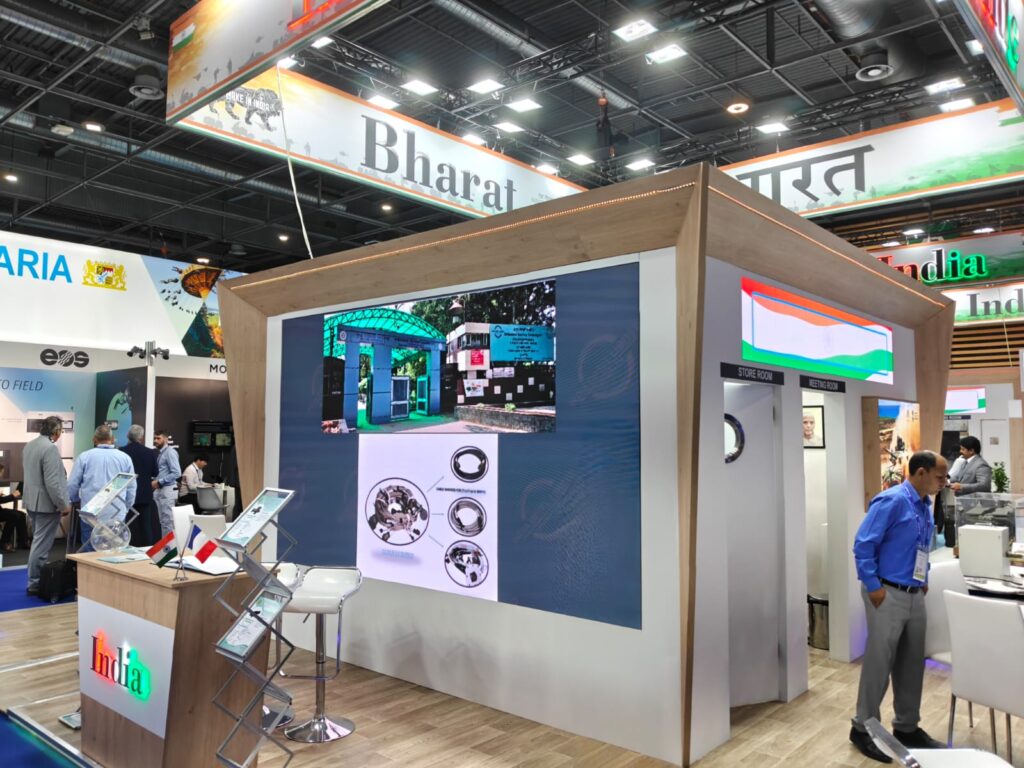
For India, Eurosatory 2026 offered valuable insights extending far beyond procurement opportunities. As India accelerates indigenous defence manufacturing under the vision of Atmanirbhar Bharat, the exhibition highlighted several areas where Indian industry is already making significant progress, while identifying emerging technological priorities that require continued investment. Indian companies participating at Eurosatory demonstrated expanding capabilities across ammunition, armoured systems, electronics, aerospace components, unmanned technologies and defence manufacturing.
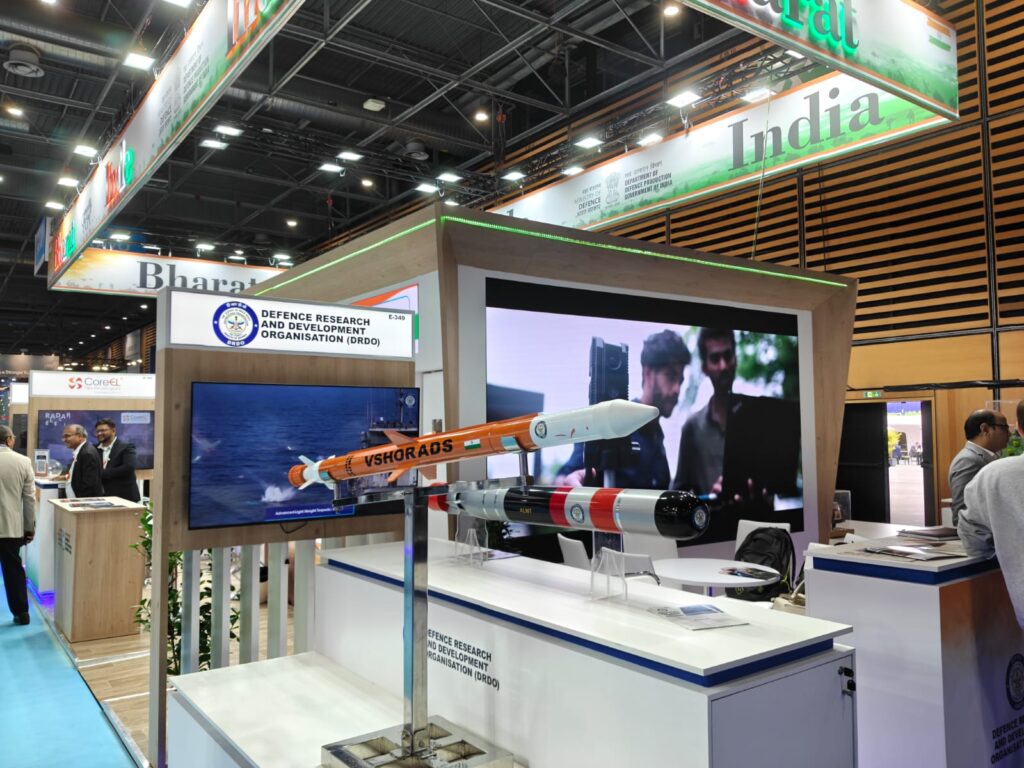
Equally important was India’s growing engagement with global supply chains, reflecting the country’s ambition not only to satisfy domestic military requirements but also to become an increasingly important exporter of defence equipment. The exhibition also reinforced the importance of integrating artificial intelligence, autonomous systems, cyber capabilities and advanced manufacturing into India’s future defence industrial strategy.
As warfare evolves toward increasingly networked and data-driven operations, technological leadership will depend upon innovation ecosystems capable of rapidly translating research into deployable military capability. For Indian defence manufacturers, the exhibition provided opportunities to forge international partnerships, expand export markets and position themselves within global defence value chains.
Looking Beyond Paris
Although the exhibition has concluded, its influence will continue well beyond the closing ceremony. Many discussions initiated in Paris are already progressing into concrete projects, strategic partnerships, collaborative research programmes and industrial agreements. Defence exhibitions increasingly function as catalysts rather than isolated commercial events.
The relationships established during Eurosatory frequently shape procurement decisions, technology transfers and multinational programmes for years after exhibitors have dismantled their stands.
This enduring impact explains why Eurosatory continues to attract the highest levels of political leadership, military command, and industrial participation.
The Road to Eurosatory 2028
As organisers begin preparations for the next edition, scheduled for 19–23 June 2028, Eurosatory’s relevance appears stronger than ever. Global security challenges continue to evolve at an unprecedented speed. Artificial intelligence is reshaping military planning. Autonomous systems are becoming increasingly operational. Cyber warfare continues to expand in sophistication. Multi-domain operations are redefining military doctrine. Industrial resilience has emerged as a strategic imperative.
Against this backdrop, exhibitions like Eurosatory provide far more than commercial opportunities—they offer a global platform where governments, armed forces and industry collectively prepare for the future.
A Showcase of the Defence Industry’s Transformation
Eurosatory 2026 ultimately represented more than another successful international defence exhibition. It served as a reflection of a defence ecosystem undergoing profound transformation.
The event demonstrated that future military capability will depend not merely on possessing superior equipment but on integrating advanced technologies, resilient industrial partnerships, operational adaptability, and international collaboration into coherent defence strategies. From artificial intelligence and autonomous systems to tactical mobility, cyber resilience and next-generation force protection, the exhibition offered a compelling glimpse into tomorrow’s battlefield.
For governments seeking strategic partnerships, industries pursuing innovation and armed forces preparing for future conflicts, Eurosatory 2026 reaffirmed its standing as the definitive global forum for land and air-land defence. As the conversations initiated in Paris mature into collaborative programmes and operational capabilities, the legacy of Eurosatory 2026 will be measured not only by the technologies displayed but by the partnerships forged and the strategic direction established for the defence community worldwide.
The countdown to Eurosatory 2028 has already begun—but the ideas, innovations and collaborations unveiled this year are certain to influence global defence long before the exhibition returns to Paris.