Chaitali Bag
LODD Autonomous is pioneering practical, safety-first autonomous cargo aviation with its Hili platform, bringing AI, interoperability and real-world scalability to next‑generation logistics.
Rashid Al Manai, CEO of LODD Autonomous, in an exclusive conversation with Indian Aerospace & Defence, talks about AI & autonomy: Hili was engineered from day one as an AI‑enabled civilian cargo aircraft. Machine learning and advanced automation support flight management, navigation, contingency handling, aircraft health monitoring, and operational decision-making, augmenting, not replacing, human oversight. This approach improves safety, efficiency and mission planning while aligning development with rigorous aviation safety and certification standards. As autonomy matures, LODD expects AI to be a primary enabler for scaling cargo fleets without compromising safety.
Open interoperability: Interoperability is a core design principle. Hili’s systems use an open‑architecture approach to integrate with airspace management, ground control infrastructures and third‑party mission and operations software. That flexibility lets operators fold autonomous cargo aircraft into existing command‑and‑control ecosystems and allied defence environments without being locked into proprietary solutions.
Regional innovation hub: The UAE’s proactive regulatory environment, governmental support and investment in testing and commercialization have been pivotal to Hili’s development and certification. LODD views the UAE as a global leader for advancing and deploying autonomous technologies across aviation, logistics, healthcare, emergency response and infrastructure.
Collaborative autonomy and swarming: For logistics, collaborative autonomous systems are seen as network optimizers—enabling dynamic aircraft allocation, smarter route planning, increased resilience to disruption and lower operating costs. LODD positions collaborative autonomy as a means of building robust logistics networks, emphasizing coordination among aircraft, operators, and airspace managers rather than simple fleet scaling.
Message to the aerospace and defence community: Autonomous aviation is transitioning from prototypes to certified operational capability. LODD is delivering pragmatic, safety‑driven solutions—Hili is purpose‑built for civilian cargo transport to solve real logistics challenges at scale. LODD invites partners and operators to engage in building dependable, interoperable and scalable autonomous logistics networks for the future.
Q. Artificial intelligence has become central to next-generation defence capabilities. How is LODD Autonomous integrating AI and machine learning into its autonomous platforms?
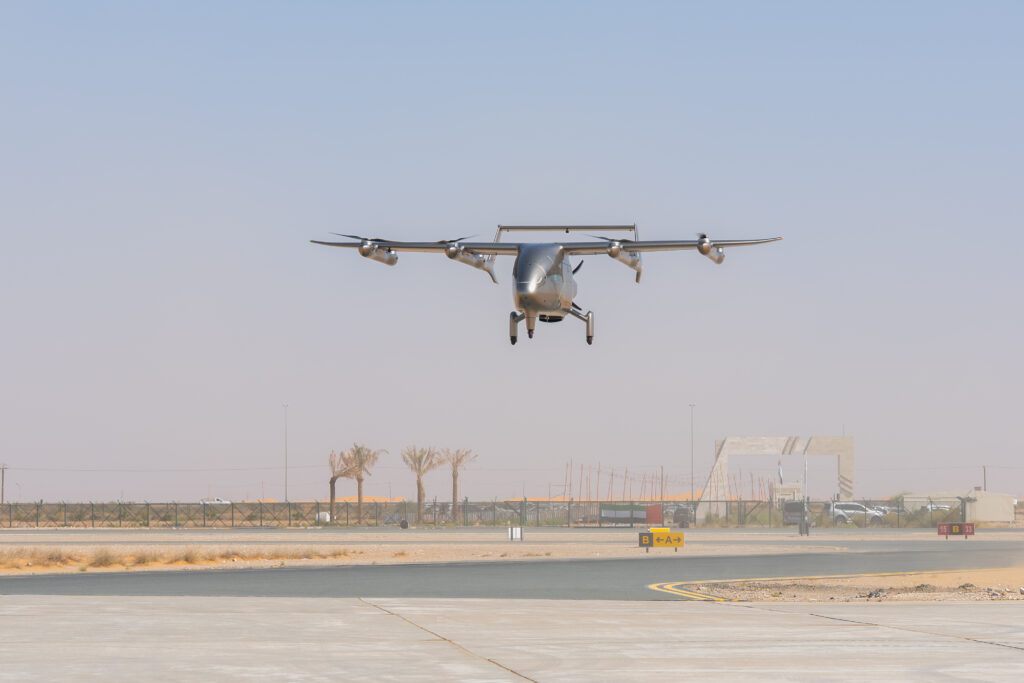
A. Hili was designed from the outset as a civilian autonomous cargo aircraft, with artificial intelligence (AI) and advanced automation supporting key functions such as flight management, navigation, contingency handling, and operational decision-making.
Rather than replacing human oversight, AI enables safer and more efficient operations by assisting with mission planning, aircraft health monitoring and autonomous flight functions within approved operational parameters. Our development philosophy is centred on building systems that can operate reliably in complex environments while meeting stringent aviation safety and certification requirements.
As autonomous aviation continues to mature, we believe AI will become an increasingly important enabler for scalable cargo operations, allowing operators to manage larger fleets while maintaining the highest levels of safety.
Q. Interoperability has become essential for coalition operations. How does LODD Autonomous ensure compatibility with existing command-and-control architectures and allied defence ecosystems?
A. Although Hili is being developed primarily for commercial logistics, interoperability remains a fundamental design principle.
Our systems are being developed using an open-architecture approach that enables integration with airspace management systems, ground control infrastructure, and third-party mission planning and operational software, where appropriate. This flexibility allows operators to incorporate autonomous cargo aircraft into their existing operational environments without being constrained by proprietary systems.
Q. The Middle East has become a significant hub for defence innovation. How do you see the UAE’s role in shaping the future of autonomous technologies?
A. The UAE has established itself as one of the world’s most progressive environments for developing and deploying advanced autonomous technologies. Through strong government support, forward-looking regulation and investment in innovation, the country has created an ecosystem where new aviation technologies can be developed, tested and eventually commercialised.
For LODD, this environment has been instrumental in advancing Hili’s development and certification program. Beyond aviation, the UAE is demonstrating how autonomous technologies can improve logistics, healthcare, emergency response and national infrastructure.
Q. Swarming technologies are receiving considerable attention worldwide. What is your perspective on the future of collaborative autonomous systems?
A. For cargo logistics, collaborative autonomous systems have the potential to optimise route planning, dynamically allocate aircraft based on demand and improve network resilience during disruptions. This allows operators to move cargo more efficiently while reducing operating costs and increasing service availability.
As these technologies evolve, coordination between aircraft, operators and airspace management systems will become increasingly important. We see collaborative autonomy as a key enabler for future logistics networks, rather than simply operating more aircraft.
Q. Finally, what message would you like to share with the global aerospace and defence community attending Farnborough International Airshow 2026?
A. Autonomous aviation is moving beyond concepts and demonstrations towards certified, operational capability.
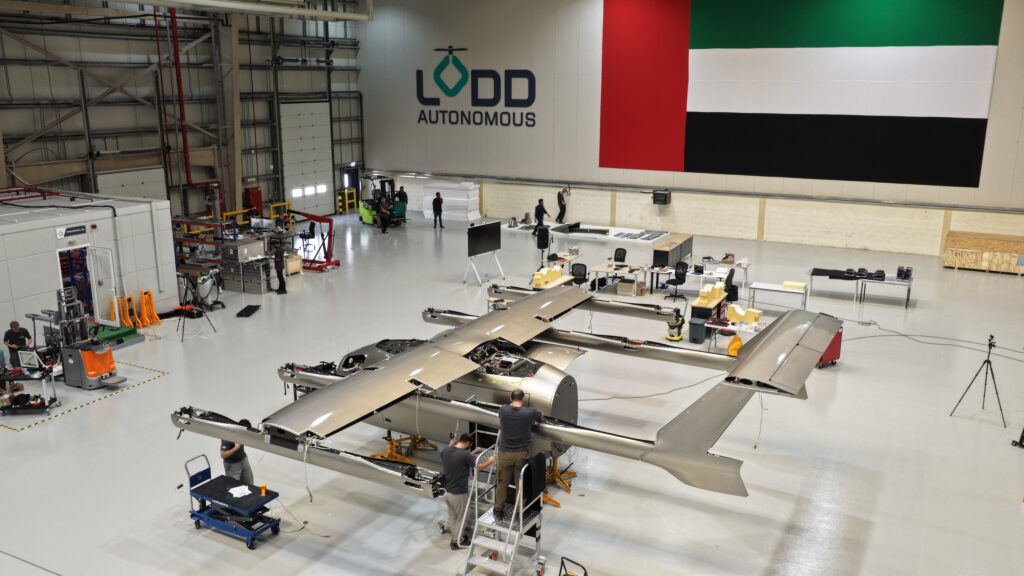
At LODD, we are focused on delivering practical solutions that address real logistics challenges through safe, scalable autonomous cargo operations. Hili has been purpose-built for civilian cargo transport, combining a 250 kg payload with a range of up to 700 km to connect communities and supply chains more efficiently.
Many of the technologies being developed for civilian logistics, including autonomy, resilient communications, and advanced flight management, also provide valuable capabilities for government and public-sector operators. We look forward to collaborating with partners across industry to help shape the next generation of autonomous aviation.