Ameya Joshi

Exciting times for India’s aviation ecosystem, as global parts manufacturers and giants like Airbus and Boeing increasingly source from India and expand their design centres locally, fuelling jobs, innovation, and supply-chain clout! With certification of the 777X and 737-10 MAX likely imminent, expect a wave of new aircraft arrivals to bolster fleets at Air India Express, Air India, and Akasa, modernize operations, and turbocharge connectivity across the region.
Every edition of the Farnborough Airshow is dominated by headline-grabbing aircraft orders worth tens of billions of dollars. Airlines announce fleet expansions, manufacturers celebrate new customers, and lessors sign blockbuster agreements. Yet, behind these announcements lies another story that is arguably more significant over the long term: the evolution of global aerospace supply chains. After years of grabbing headlines for large orders, India is now waking up to being part of the supply chain, even as the country struggles to attract one of the manufacturers to have a Final Assembly Line (FAL in India for a civilian program, with Airbus and Tata managing that feat for the C295 military aircraft.
Over the last decade, India has quietly transformed from being largely a buyer of aircraft into a country that increasingly contributes to building them. Thousands of components flying on aircraft delivered across the world today originate from Indian factories. From structural assemblies and composite parts to software, avionics, precision machining and engineering design, Indian companies have become deeply embedded within global aerospace production networks. It is no longer restricted to Indian companies, with Boeing having a large technology centre in India and recruiting hundreds of bright minds for the future of aviation.
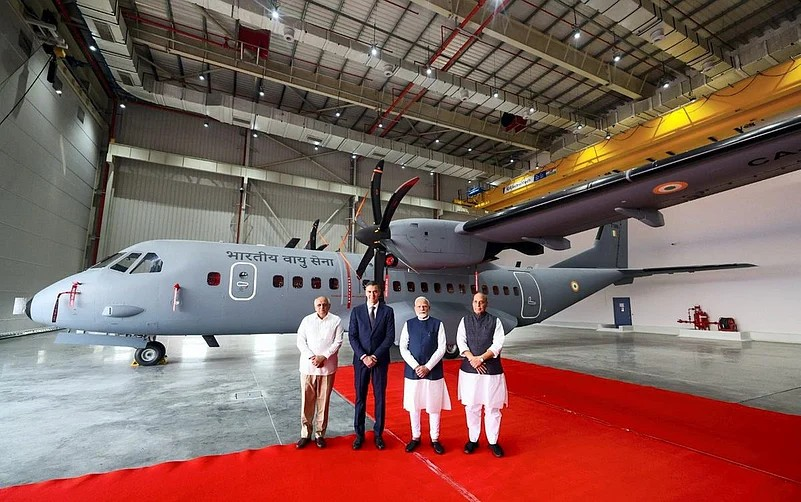
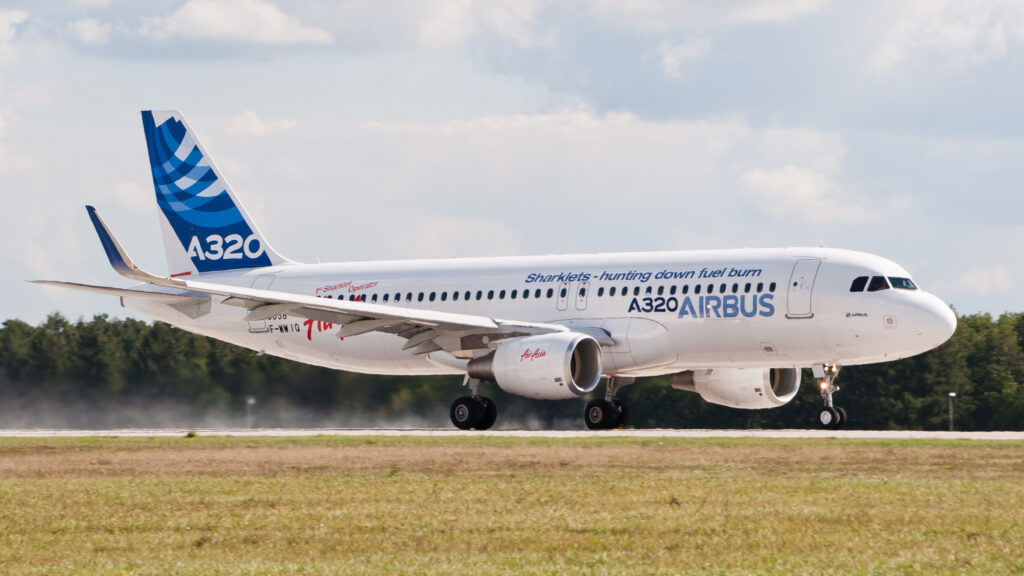
Among the two manufacturers, Airbus has arguably moved faster in expanding its industrial footprint in India. The European manufacturer today sources approximately US$1.5 billion in goods and services annually from India, a figure that has tripled in just five years, from around US$500 million in 2019. More importantly, Airbus executives repeatedly stress that the growth is not merely in volume but in the sophistication of work being undertaken by Indian suppliers. Indian suppliers manufacture a wide variety of components, including fuselage sections, passenger doors, floor beams, metallic structures, electrical harnesses, precision-machined parts and composite assemblies that eventually find their way onto aircraft delivered across the globe. While India prided itself on having the A320 door manufactured at HAL for years, the A220 sees all its doors manufactured in India by the private sector. The Tata-Airbus C295 military transport aircraft programme in Vadodara represents a milestone in India’s aerospace ambitions. It is the country’s first private-sector military aircraft final assembly line, where forty aircraft will eventually be assembled in India. The programme has also led to the localisation of thousands of aircraft parts and created an ecosystem of suppliers that can eventually support civil aerospace manufacturing as well. For Airbus, India is no longer just a market for aircraft orders. It is increasingly becoming an industrial base.
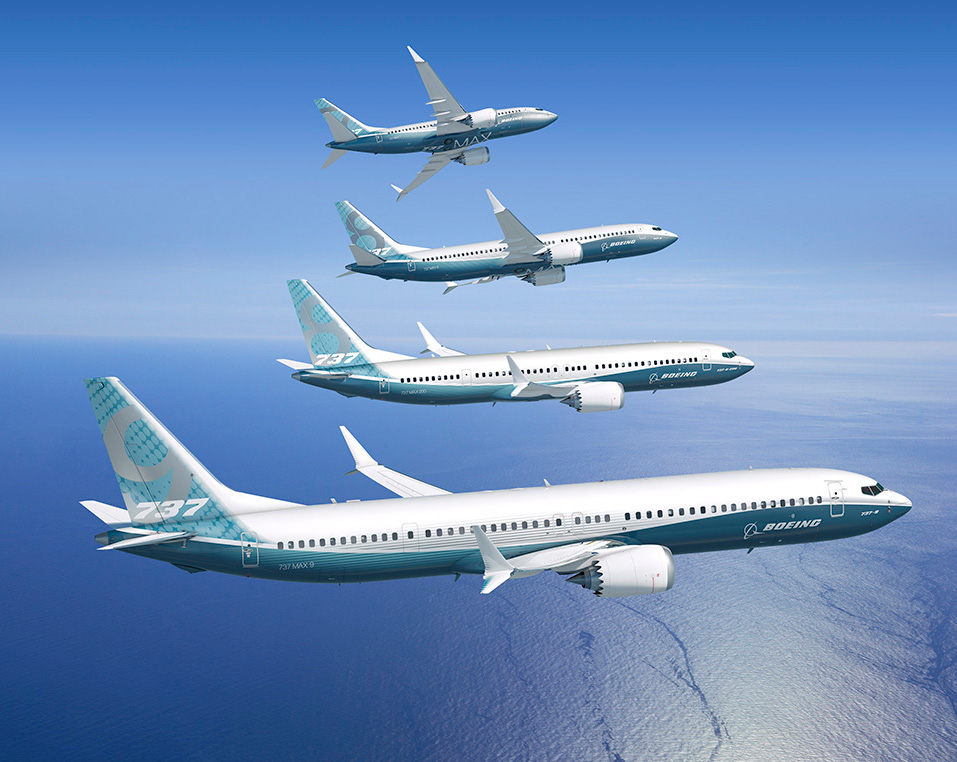
Boeing’s engagement with India dates back even further. The American aerospace giant today sources over ₹12,000 crore (approximately US$1.4 billion) annually from India, with more than 70% now comprising manufacturing rather than engineering services alone. Indian facilities manufacture complex components for some of Boeing’s most advanced commercial and defence aircraft, including the 737 MAX, 777, 787 Dreamliner, P-8 maritime patrol aircraft, F/A-18 Super Hornet, Apache attack helicopter and Chinook heavy-lift helicopter. Perhaps the best-known example is Tata Boeing Aerospace Limited in Hyderabad, which manufactures complete fuselages for the AH-64 Apache helicopter, supplied not only to India but also to customers around the world. The facility also manufactures vertical fin structures for the Boeing 737 family.
India’s contribution extends far beyond factory floors. Both Airbus and Boeing employ thousands of engineers across Bengaluru, Hyderabad and other cities who work on aircraft design, stress analysis, software development, avionics, digital engineering and lifecycle support. Bengaluru has emerged as one of the world’s largest aerospace engineering hubs outside Europe and North America. Engineers in India contribute to aircraft programmes that are sold worldwide, demonstrating that India’s value proposition is increasingly based on knowledge-intensive work rather than low-cost manufacturing alone. Digital technologies, artificial intelligence, model-based systems engineering and advanced simulation are likely to make India’s engineering capabilities even more valuable in future aircraft programmes.
Why Global OEMs Need India Today
The timing could hardly be better. Both Airbus and Boeing face unprecedented production challenges. Collectively, they have order backlogs exceeding 15,000 commercial aircraft. Airlines continue placing large orders while manufacturers struggle with shortages of engines, castings, forgings, electronic components and skilled labour. Diversifying supplier bases has become a strategic necessity rather than a procurement exercise.
India offers several advantages. It has a large engineering workforce, competitive manufacturing costs, improving infrastructure, favourable government policies and increasing experience in precision manufacturing. Unlike many emerging manufacturing destinations, India also possesses a sizable domestic aviation market that is expected to remain among the fastest growing globally over the next two decades. This creates a unique opportunity for suppliers to serve both export markets and growing domestic demand.
While airlines are facing challenges due to a sliding rupee, suppliers are gaining because their parts remain competitive in global markets and are sometimes even cheaper due to unmatched quality. It also helps Airbus and Boeing, as they can save costs in an environment that is otherwise seeing rising costs.
What Farnborough Represents For India
Airshows like Farnborough are often viewed through the lens of aircraft sales. However, the event is equally important as a marketplace for supply chain partnerships. Aircraft manufacturers meet suppliers, negotiate industrial collaborations, evaluate new manufacturing capabilities and identify future sourcing destinations. Indian companies are increasingly participating not merely as exhibitors but as prospective global partners.
Engineering companies, software firms, machining specialists, composite manufacturers and digital solution providers all use Farnborough to showcase capabilities that extend well beyond India’s domestic market. The presence of Indian technology companies alongside aerospace manufacturers also reflects the convergence of digital engineering and aircraft manufacturing that is reshaping the industry.
Challenges That Still Remain
Despite impressive progress, India’s aerospace manufacturing ambitions face several hurdles. Certification standards remain demanding, requiring sustained investment in quality systems and process control. Lead times for specialised materials, dependence on imported aerospace-grade alloys and composites, and limited domestic capability in aircraft engines and advanced avionics continue to constrain localisation. Aerospace manufacturing demands exceptionally high precision and traceability, making workforce training just as important as factory investment.
Perhaps the biggest challenge is scale. While India’s sourcing numbers have grown significantly, they remain modest compared to the overall procurement requirements of Airbus and Boeing. Capturing a larger share will require hundreds more suppliers capable of consistently meeting global aerospace standards. This is where places like global airshows help make a mark.
The next decade could prove transformational. Airbus is steadily deepening its industrial engagement in India, while Boeing continues expanding manufacturing partnerships and engineering capabilities. Meanwhile, other global aerospace players are beginning to follow a similar path, recognising India’s potential as a long-term manufacturing base.
For India, success should no longer be measured solely by the number of aircraft ordered by domestic airlines. A more meaningful metric would be the value of aircraft components, engineering services and technologies exported to the global aerospace industry. If India can successfully move from supplying parts to manufacturing major aerostructures, undertaking final assembly, designing aircraft systems and participating in next-generation aerospace technologies, it could emerge as one of the world’s most important aerospace manufacturing hubs.
As delegates gather at Farnborough to discuss the future of aviation, India’s story is increasingly shifting from being one of aviation demand to one of aerospace capability. That transition may ultimately prove far more valuable than even the largest aircraft order announced at the airshow.
Ameya Joshi is an aviation analyst and columnist who runs the analysis website Network Thoughts.