Ameya Joshi

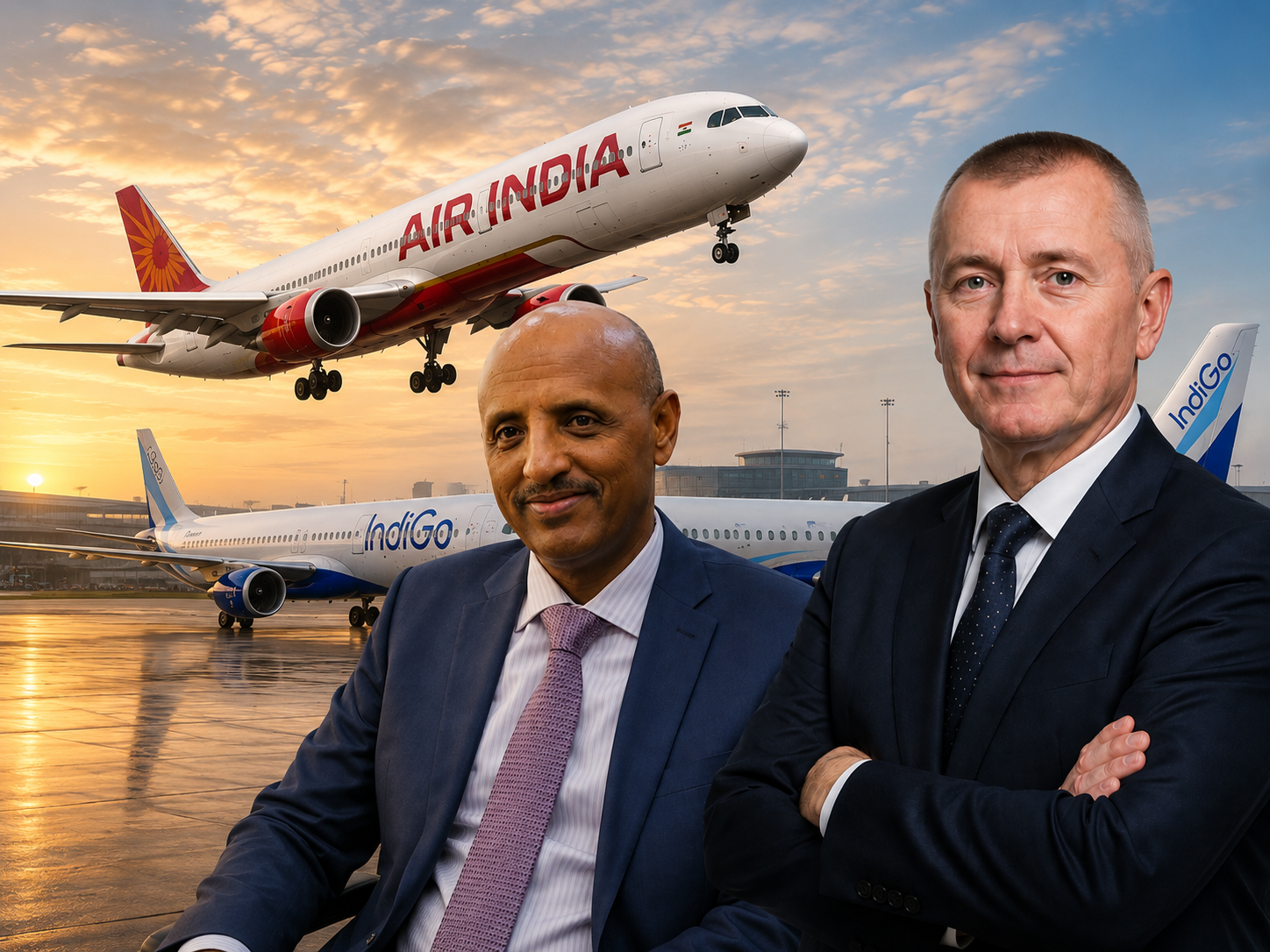
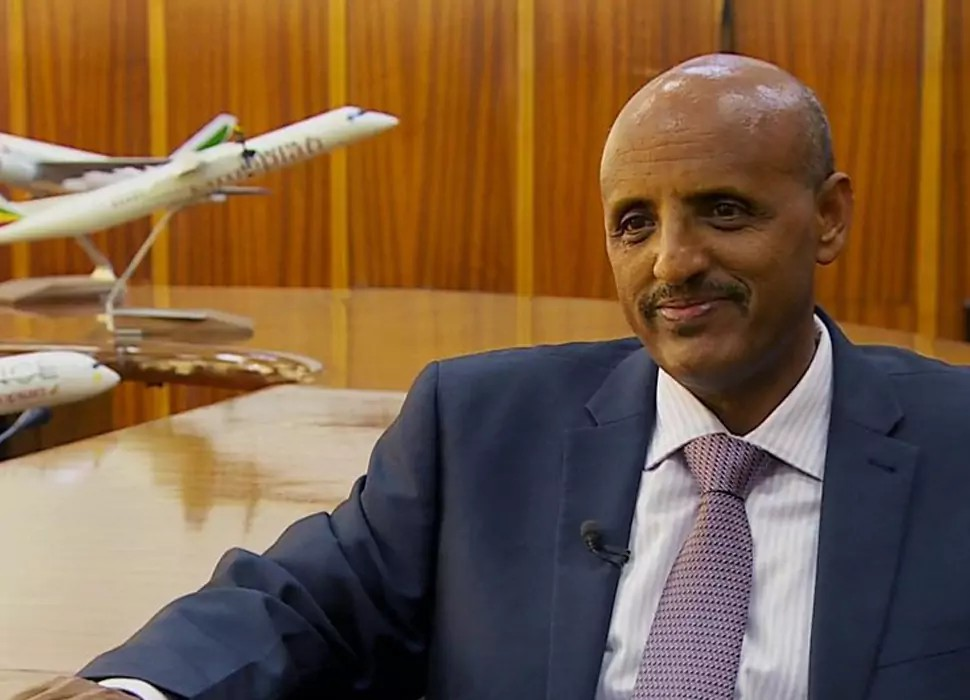
India’s aviation sector is on the cusp of one of its most significant leadership transitions in recent years, as Air India and IndiGo appoint internationally respected executives to lead their next phase of growth. Air India has named Tewolde Gebremariam, the former CEO of Ethiopian Airlines Group, as its new CEO & Managing Director, succeeding Campbell Wilson. He takes charge with a mandate to strengthen operational excellence, accelerate international expansion, and drive the airline’s long-term turnaround strategy.
IndiGo, meanwhile, has brought in Willie Walsh, former Director General of IATA and former CEO of British Airways and IAG, as its Chief Executive Officer, effective August 3, 2026. His appointment signals IndiGo’s ambition to become a genuinely global airline while expanding its long-haul network and international footprint. Within the space of a few weeks, India’s two largest carriers have handed their top jobs to foreigners, not the first for either, but a moment worth revisiting as both have global ambitions like never before.
Two carriers, two different starting points
Air India’s search for a new CEO comes at the end of what the Tata Group has called the “stabilisation” phase of its turnaround, the period since the 2022 privatisation spent integrating four erstwhile airlines, renegotiating aircraft orders, and rebuilding a battered reliability record. Campbell Wilson steered that phase, but the airline’s board went looking specifically for a leader with experience in large-scale turnarounds, safety, and profitable long-haul expansion, criteria that point directly at Gebremariam’s record. Over his eleven years at Ethiopian, revenue grew more than fourfold and the fleet nearly tripled, turning a regional African carrier into the continent’s largest and most profitable airline group, built almost entirely through internal progression rather than lateral hires.
IndiGo’s situation was less a planned handover and more an abrupt one. Pieter Elbers resigned in March 2026 after a period of widespread flight disruptions, the worst operational crisis in the airline’s 20-year history. That left IndiGo’s board searching for a CEO capable of restoring operational credibility while also steering a carrier that has committed to A350 widebodies and long-haul international routes for the first time. Walsh’s résumé, pilot and CEO at Aer Lingus, CEO of British Airways, CEO of IAG, and steering the global airline industry through IATA, reads almost as if built for exactly that brief.

Both hires point to the same underlying diagnosis: Indian carriers have grown fast on the domestic side but lack in-house experience running the kind of complex, multi-hub, long-haul international operation both airlines now aspire to be. Ethiopian Airlines built Addis Ababa into one of the busiest connecting hubs between Asia, Europe and the Americas largely on the strength of Gebremariam’s network strategy; Air India is attempting something structurally similar with Delhi and Mumbai. Walsh, similarly, spent two decades managing multi-brand, multi-hub groups at IAG and understands premium long-haul economics better than almost anyone else who could plausibly have taken the IndiGo job.
Tail Note
What makes this moment genuinely significant is less the individual hires than the fact that they say where both carriers see themselves headed. Air India and IndiGo have spent the last three years building the hardware of global ambition: widebody orders, new international routes, upgraded cabins, but hardware alone doesn’t make an airline global. Gebremariam and Walsh are being brought in specifically to build the other side: network strategy, hub economics, safety and reliability culture, and the kind of institutional muscle memory that only comes from having actually run a carrier through a comparable transformation before.
The risk, and it is real, is the same one that comes with any external hire at this altitude: neither man has operated in the Indian regulatory, labour, or airport-slot environment before, and both will spend their early months learning terrain that an internal candidate would have absorbed by osmosis. But if either Ethiopian’s rise or British Airways and IAG’s post-pandemic recovery is any guide, both men have shown they can compress that learning curve faster than most. For Indian aviation, the real test over the next two to three years won’t be whether these appointments were the right call; it will be whether the mindset shift required to develop the next generation of Indian aviation leadership actually follows.
Ameya Joshi is an aviation analyst and columnist who runs the analysis website Network Thoughts.