Staff Correspondent
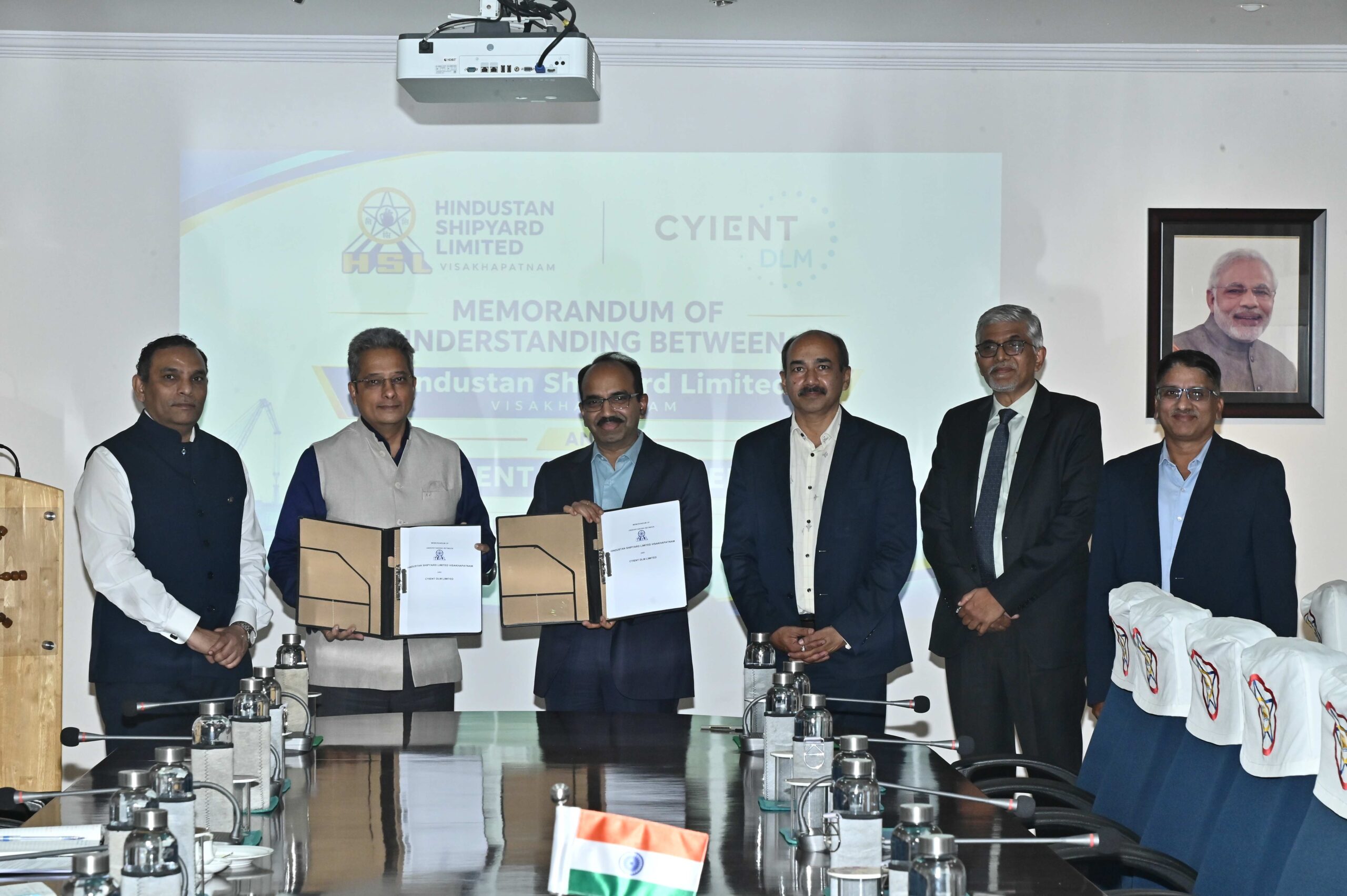
India’s maritime and defence sectors are entering an exciting period of technological transformation. As the nation strengthens its strategic capabilities and pursues greater self-reliance, collaboration between experienced shipbuilders and advanced electronics manufacturers can help turn ambitious goals into practical solutions. Against this backdrop, Cyient DLM and Hindustan Shipyard Limited (HSL) have signed a Memorandum of Understanding to explore opportunities in advanced electronics and technology for maritime and defence applications.
The agreement brings together two organizations with complementary strengths. HSL contributes decades of experience in shipbuilding, ship repair and platform integration, while Cyient DLM brings expertise in mission-critical electronics, embedded systems, power electronics, precision manufacturing, testing and product lifecycle support. Together, they will assess where their capabilities can best support the evolving needs of maritime and defence platforms.
The MoU establishes a framework for exploration rather than announcing a specific project or product. Within it, the organizations will evaluate potential areas of cooperation spanning electronics, embedded systems, power electronics, testing, manufacturing and lifecycle support. The breadth of these areas reflects the increasingly sophisticated demands placed on modern maritime platforms, where reliable electronic systems are essential to performance, safety and long-term readiness.
A central theme of the collaboration is indigenisation. Building more technology and manufacturing capability within India can strengthen supply chains, support national security priorities and reduce reliance on overseas sources for critical systems. By bringing shipbuilding and electronics expertise into closer conversation, HSL and Cyient DLM aim to explore ways of contributing to the Government of India’s Atmanirbhar Bharat objectives.
The potential areas identified in the MoU are particularly timely. They include obsolescence management, test and support systems, autonomous and unmanned maritime platforms, power electronics and AI-enabled maintenance solutions. Each represents an important opportunity to improve how maritime and defence equipment is designed, supported and sustained.
Obsolescence management, for example, is vital to keeping complex platforms operational over long service lives. Electronic components and technologies can change rapidly, making it important to identify and address outdated systems while preserving reliability and compatibility. Test and support systems, meanwhile, can help verify that equipment performs as required and remains ready for demanding operational environments. These capabilities are not simply technical details: they are central to the long-term effectiveness of ships and other platforms.
The exploration of autonomous and unmanned maritime platforms points toward a future in which advanced electronics, embedded systems and intelligent technologies play an even greater role. Such platforms may require dependable control systems, communications, power solutions and rigorous testing. Similarly, AI-enabled maintenance could help operators identify potential equipment issues earlier and support more informed maintenance decisions. Although the MoU does not commit the organizations to a particular solution, its scope signals an interest in technologies that may shape the next generation of maritime capability.
Power electronics are another important area of opportunity. They support the conversion and management of electrical power across a wide range of systems, making them essential to the performance of sophisticated platforms. Combined with manufacturing, testing and lifecycle expertise, power electronics could form part of a broader effort to develop reliable, integrated solutions for maritime and defence applications.
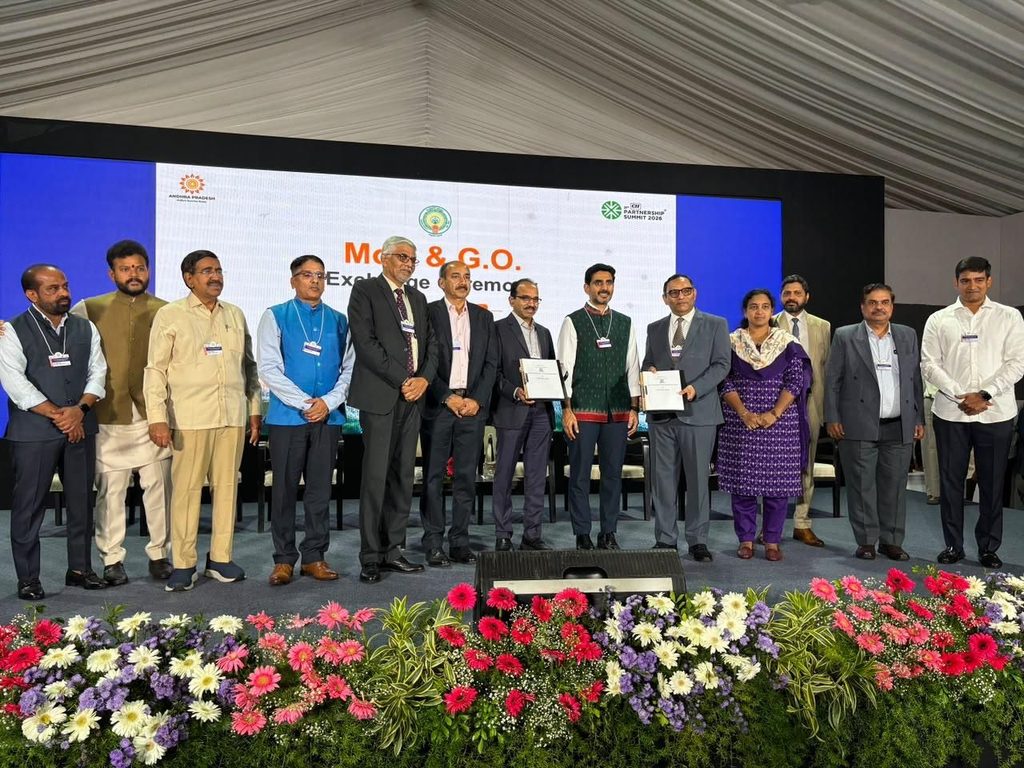
Rajendra Velagapudi, Managing Director and Chief Executive Officer of Cyient DLM, described the partnership as an opportunity to build stronger indigenous technology and manufacturing capabilities. He emphasized the complementary nature of the organizations’ strengths, bringing HSL’s experience in shipbuilding and platform integration together with Cyient DLM’s expertise in mission-critical electronics and manufacturing. He also noted the importance of supporting indigenisation, technology development and the long-term lifecycle requirements of maritime and defence platforms.
HSL Chairman and Managing Director R Adm C Raghuram, VSM (Retd), similarly highlighted the value of collaboration across shipbuilding, electronics, technology and lifecycle support. He described the MoU as a framework for the two organizations to identify areas where their capabilities can complement one another, with the broader aim of contributing to self-reliance and technology development in India’s maritime and defence ecosystem.
That shared outlook is significant. Complex platforms depend on many interconnected disciplines, from design and construction to electronics integration, testing, maintenance and repair. Bringing organizations with different but related capabilities together can help reveal opportunities that might be harder to identify in isolation. The MoU provides a structure for evaluating those opportunities and considering how they might support future requirements.
Cyient DLM is an integrated electronics manufacturing solutions provider specializing in Design-Led Manufacturing. Established in 1993 and listed on the National Stock Exchange as CYIENTDLM, the company takes responsibility across design, manufacturing, testing, precision machining and certification support. Its work in safety-critical electronics serves highly regulated industries, where reliability, safety and performance standards are particularly demanding. These capabilities are directly relevant to the kinds of challenging requirements found in maritime and defence applications.
Hindustan Shipyard Limited is a premier Miniratna Category-I defence public sector undertaking under India’s Ministry of Defence. Founded in 1941 and based in Visakhapatnam on the country’s strategic east coast, HSL is a key part of India’s maritime capability. Its activities include the design, construction, repair and refit of complex naval platforms, commercial ships and submarines. Its experience across platform development and support provides a strong foundation for exploring how advanced electronics can be integrated into maritime systems.
The signing of the MoU is therefore an encouraging step in connecting India’s shipbuilding expertise with its electronics manufacturing capabilities. It reflects a wider recognition that technological self-reliance depends not only on building platforms, but also on developing the systems, components, testing methods and support capabilities that keep them effective throughout their service lives.
There is, of course, much work between a framework agreement and any future collaboration. The organizations will need to assess technical requirements, identify feasible opportunities and determine where their respective capabilities can deliver value. Yet the agreement creates an important starting point: a chance to explore shared priorities and develop a clearer understanding of how the two companies might work together.
As India continues to invest in a stronger indigenous maritime and defence ecosystem, partnerships like this can help bring together practical experience and specialized technical knowledge. By exploring opportunities in electronics, autonomous platforms, power systems, testing and lifecycle support, Cyient DLM and HSL are positioning themselves to contribute to an increasingly advanced and self-reliant industrial landscape.
The MoU may be a first step, but it is a meaningful one. It signals a shared ambition to examine how complementary capabilities can support India’s maritime and defence needs—and how domestic expertise can help shape the technologies that will serve those needs in the years ahead.