Chaitali Bag
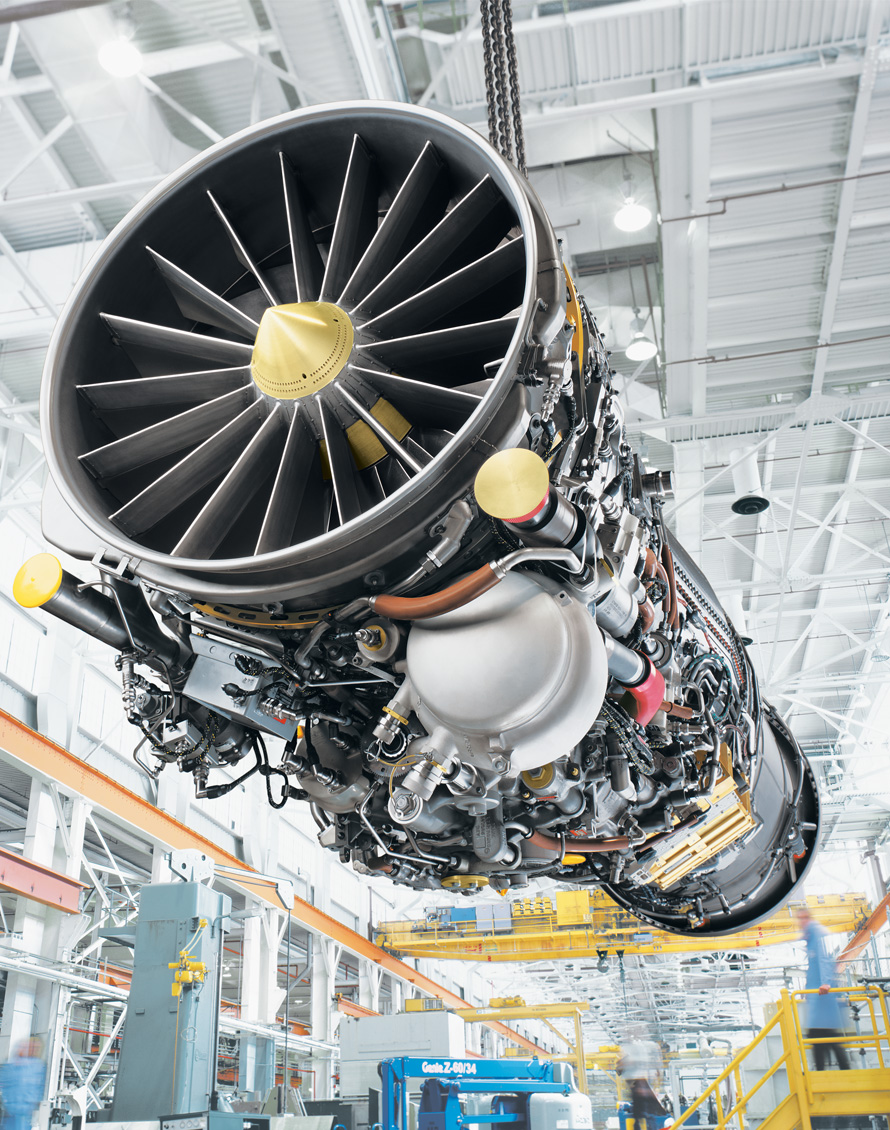
In a landmark moment for India’s defence manufacturing trajectory, GE Aerospace and Hindustan Aeronautics Limited (HAL) have announced a decisive breakthrough in their bid to co-produce the F414 jet engine, a milestone that resonates far beyond bilateral industry circles and into India’s strategic and technological future. The joint confirmation that both sides have “reached agreement on technical matters” is not merely procedural housekeeping; it represents a concrete step away from a buyer–seller relationship toward deep industrial partnership, technology diffusion, and a shared vision of aerospace capability that could redefine India’s place in global defence manufacturing.
For more than forty years, GE engines have powered a range of Indian air platforms, and HAL has been a cornerstone of India’s aerospace ambitions. Yet this agreement signals a qualitative change: instead of simply procuring finished engines or licensed components, India and the United States are now setting the stage for collaborative production and the gradual localization of one of the most complex technologies in modern engineering. The F414 is a proven afterburning turbofan, capable of delivering the thrust, reliability, and performance that India will need for its next-generation fighters, most notably the Tejas Mk2 and conceivably the Advanced Medium Combat Aircraft (AMCA) in time. That such a sophisticated propulsion system is the subject of sustained cooperative effort is a testament to the maturity of India–US defence ties and to India’s persistent drive for technological self-reliance.
Why this matters cannot be overstated. Jet engine technology sits at the apex of aerospace complexity: advanced materials, high-temperature metallurgy, precision machining, aerodynamic design, and integrated testing regimes all converge in the “hot section” and ancillary systems that make a modern turbofan both powerful and durable. Historically, these domains have been tightly controlled by nations and firms mindful of strategic sensitivities. The recently announced technical agreement implies tangible progress in manufacturing processes and quality systems and possibly a limited transfer of know-how, which, if sustained, will chip away at long-standing barriers and enable Indian engineers and industrial workers to master capabilities that were previously out of reach.
The implications for the “Make in India” initiative and Atmanirbhar Bharat are immediate and profound. Co-production of the F414 under HAL’s aegis will strengthen domestic aerospace manufacturing capacity, create high-skill jobs, and establish institutional knowledge across factories and supply chains. HAL’s deep involvement ensures that critical manufacturing steps, integration practices, and testing regimes are carried out on Indian soil, creating a learning curve that extends beyond a single program. As Indian firms participate in component manufacture, heat-treatment processes, precision casting, and systems integration, the national industrial base will gain credibility, competence, and the practical experience required to both support indigenous platforms and join global aerospace value chains.
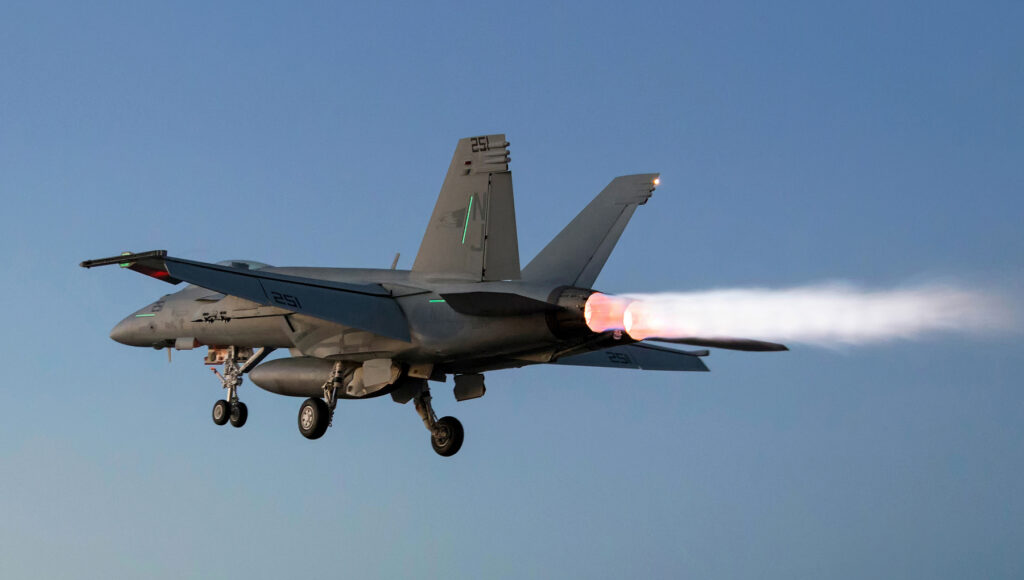
Strategically, this collaboration crystallizes a broader shift in India–US relations: from transactional defence sales to long-term industrial partnerships that embody trust, shared objectives, and mutual benefit. The F414 program follows the diplomatic momentum of initiatives such as the India–US Initiative on Critical and Emerging Technologies (iCET), where co-development and co-production were explicit priorities. By embedding production capability in India, the partnership sends a strong message about interoperability, shared standards, and a willingness to pursue enduring technological collaboration, factors that will influence regional security dynamics and cooperative planning in the decades to come.
Economically, the co-production pathway offers multiple upsides. Localized manufacture can stimulate high-value employment, nurture an ecosystem of small and medium enterprises supplying precision parts and services, and attract ancillary investment in testing, tooling, and advanced materials. As Indian firms rise to meet quality and schedule demands, they may earn a place in GE’s global supply chain, creating export opportunities and reinforcing India’s role as an aerospace manufacturing hub. Platform commonality across fighters using the F414 would also yield logistics efficiencies, reduce lifecycle costs, and simplify maintenance and training, practical benefits that enhance operational readiness and affordability.
Yet this promising horizon brings a set of hard, practical questions and risks that must be managed with realism and rigor. The central technical question—how deep will the technology transfer go? remains. Core competencies such as high-temperature nickel superalloy metallurgy, single-crystal turbine blade manufacturing, thermal barrier coatings, and sophisticated computational design methods are the most valuable and sensitive elements of engine technology. The extent to which these capabilities are shared, taught, and absorbed will determine whether India achieves mere assembly and sub-system production or genuine indigenous capability to design and evolve advanced jet propulsion systems.
Execution risks are non-trivial. Co-production at this scale demands world-class infrastructure, a trained and disciplined workforce, tightly integrated supply chains, and uncompromising quality assurance practices. Historical experience worldwide shows that localized manufacturing of high-performance engines can be delayed by production bottlenecks, certification hurdles, and the steep learning curves associated with ultra-precise fabrication. India will need to invest in facilities, workforce training programs, supplier development, and rigorous testing regimes; HAL and partner firms will need to absorb and institutionalize complex process controls and quality cultures.
Strategic autonomy considerations also figure in the calculus. While deeper engagement with the United States broadens India’s technological horizons and strengthens bilateral ties, New Delhi will want to balance such partnerships against its long-standing desire for independent defence capabilities and diversified relationships. Achieving this equilibrium, leveraging foreign collaboration to accelerate domestic competence while preserving sovereign control over critical platforms and long-term development trajectories, will be a continuing policy challenge.
The agreement on technical matters is not the finish line but the electrifying starting gun for a challenging and consequential implementation phase that could reshape defence industrial cooperation; if executed with vision and rigor, the GE-HAL F414 co-production program can become a landmark case, much like the licensed production ventures that catalyzed aerospace transformation in South Korea and Turkey, demonstrating how strategic industrial partnerships can accelerate technology transfer, workforce upskilling, and indigenous supply-chain maturation; more importantly, this program has the potential to mark a pivotal shift in India’s defence trajectory, signalling its emergence from one of the world’s largest defence importers to a credible co-developer and manufacturer of advanced military technologies, capable not only of meeting domestic needs but of competing and collaborating on the global stage; as geopolitical dynamics shift and supply chains diversify, bold, well-executed initiatives like GE-HAL will be central not just to enhancing military capability but to shaping a new, multipolar defence industrial order that rewards innovation, resilience, and equitable partnership.