Ameya Joshi

India’s aviation industry has been on a growth curve for a while now. Irrespective of the challenges faced, from a deadly crash to an operational meltdown, 2025 saw the highest-ever number of domestic passengers in Indian skies. While the year was muted for various reasons, Indian carriers led by IndiGo and Air India have a record order book with Airbus and Boeing, with over 1500 planes up for delivery between now and 2031, a period of just six years.
This is now the right time to shift the focus from aircraft orders, pilots, and infrastructure bottlenecks to the peripheral industry that supports this growth, starting with MRO (Maintenance, Repair and Overhaul). The edge the MRO industry has is that airlines are not looking for induction alone; they are also looking for redelivery, and from regular operations to redelivery, MROs play an integral role at each step of the aircraft lifecycle.
Current Landscape
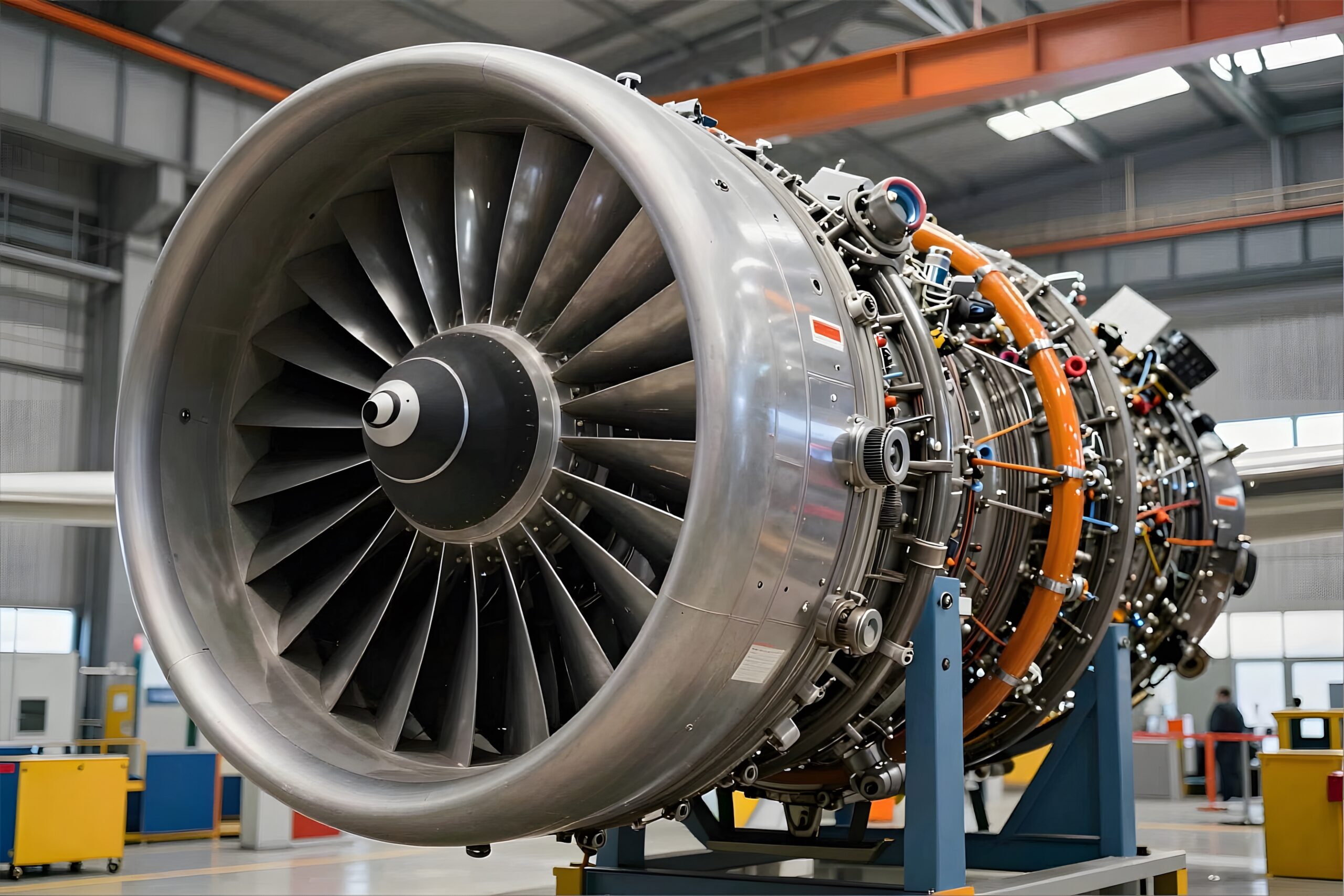
The Indian MRO market is expected to reach US$ 4 billion by 2031, according to Deloitte. It stood at less than US$ 2 billion at the onset of the pandemic. The MRO market has many untapped areas right now, such as engine overhauls, for which Indian carriers are completely dependent on foreign MROs. There will be twice as many engines as planes over the next few years, which gives the scope for engine MRO, which is currently missing from the Indian market.
The obvious has been overlooked because of tax policy, a shortage of skilled labour, and OEM aftermarket dominance, which have led to the UAE and Singapore in the neighbourhood being selected for operations and overhaul facilities.
Growth Drivers & Government Initiatives
Fleet expansion fuels MRO needs, as India’s passenger traffic surges post-pandemic and the UDAN scheme enhances regional connectivity. Projections show the market reaching USD 6.87 billion by 2030-2033, with a CAGR of 6.37-11.8%, outpacing global averages. Cost advantages, such as low labour costs, make India competitive; domestic MROs aim for 50% market share by 2030.
Technological upgrades, including digital twins and predictive maintenance, alongside international partnerships, position India as a hub. Airlines’ in-house investments, like IndiGo’s Rs 1,100 crore Bengaluru facility (handling 6 narrow-body and 3 wide-body aircraft), signal self-reliance. The government has slashed GST to a uniform 5% IGST on aircraft parts, engines, tools, and services since July 2024, eliminating inverted duty structures and easing working capital. Policies such as the MRO Guidelines 2021, the National Civil Aviation Policy 2016, and the Bharatiya Vayuyan Adhiniyam 2024 (replacing the 1934 Aircraft Act) simplify regulations, automatically allow 100% FDI, and exempt customs duties on tools.
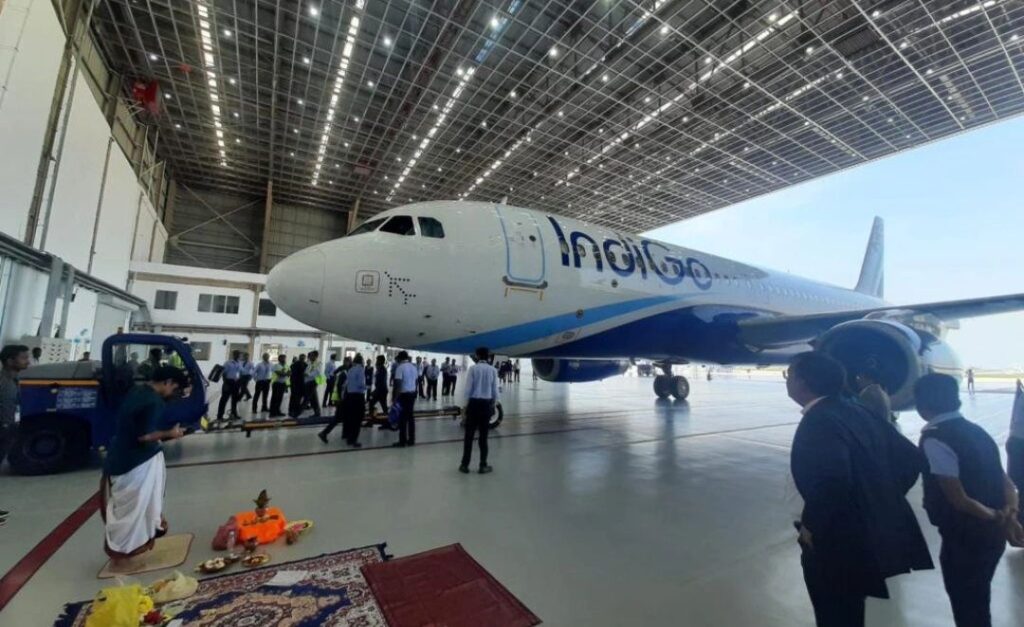
Budget 2026 boosts aircraft manufacturing and MRO via duty reforms, while states like Odisha and Madhya Pradesh develop hubs—e.g., a Rs 250 million facility at Bhopal by 2026. DGCA’s 360-degree audits since June 2025 have ensured safety, and PM Modi’s vision targets $4 billion by 2030 through Atmanirbhar Bharat. Key players include state-owned and private firms, with over 87 DGCA-approved AMOs. Air India Engineering Services Ltd (AIESL) leads line and heavy maintenance; GMR Aero Technic operates at Hyderabad; Air Works provides comprehensive services across India.
Major Players
Adani Group consolidates through acquisitions, planning a Guwahati hub for wide- and narrow-body aircraft. IndiGo and Air India build massive facilities in Bengaluru (Rs 1,460 crore and Rs 1,100 crore), creating jobs. Others, such as Indamer, Max MRO and HAL (Nashik A320 overhaul; Embraer MoU with Star Air), expand capabilities. Global ties, such as Safran’s engine MRO JV with HAL, enhance tech transfer.
Challenges Ahead
High import duties on spares (despite reforms), airport royalties, and complex customs hinder growth. Skill gaps for advanced engines and limited EASA/FAA certifications restrict international appeal. Supply chain issues post-pandemic delayed expansions, with OEMs controlling parts. India eyes $4 billion by 2030-2031, with an 8.9% CAGR, capturing domestic share via hubs in Bengaluru, Nagpur, and emerging sites. Investments like HAL’s Embraer entry and state collaborations will create jobs and reduce forex outflows. With policy momentum, India could rival Dubai/Singapore, supporting a 2,000+ aircraft fleet.
Sustained reforms in training, local parts manufacturing, and OEM partnerships are key to realizing this potential. The sector’s rise bolsters aviation self-reliance and aligns with India’s global hub ambitions.
Ameya Joshi is an aviation analyst and columnist who runs the analysis website Network Thoughts.