Chaitali Bag
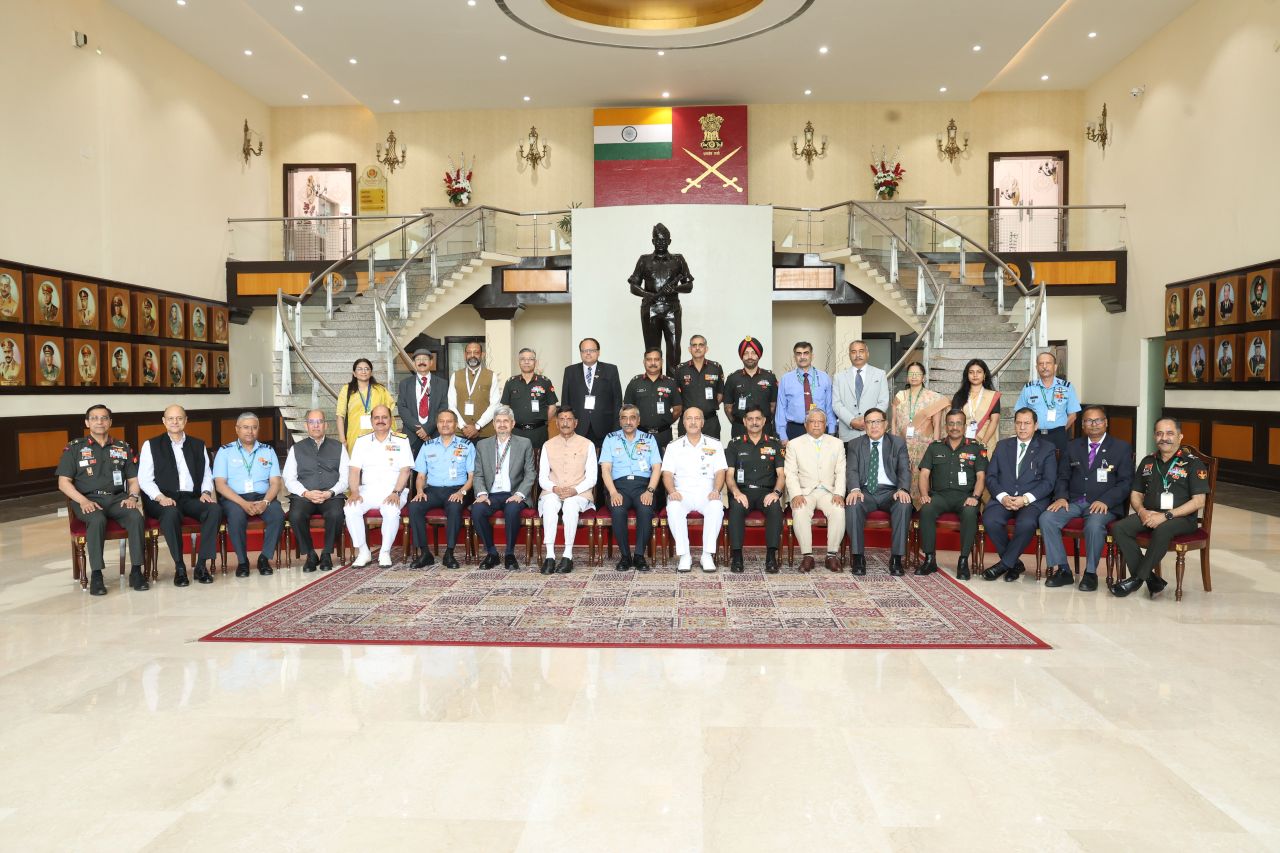
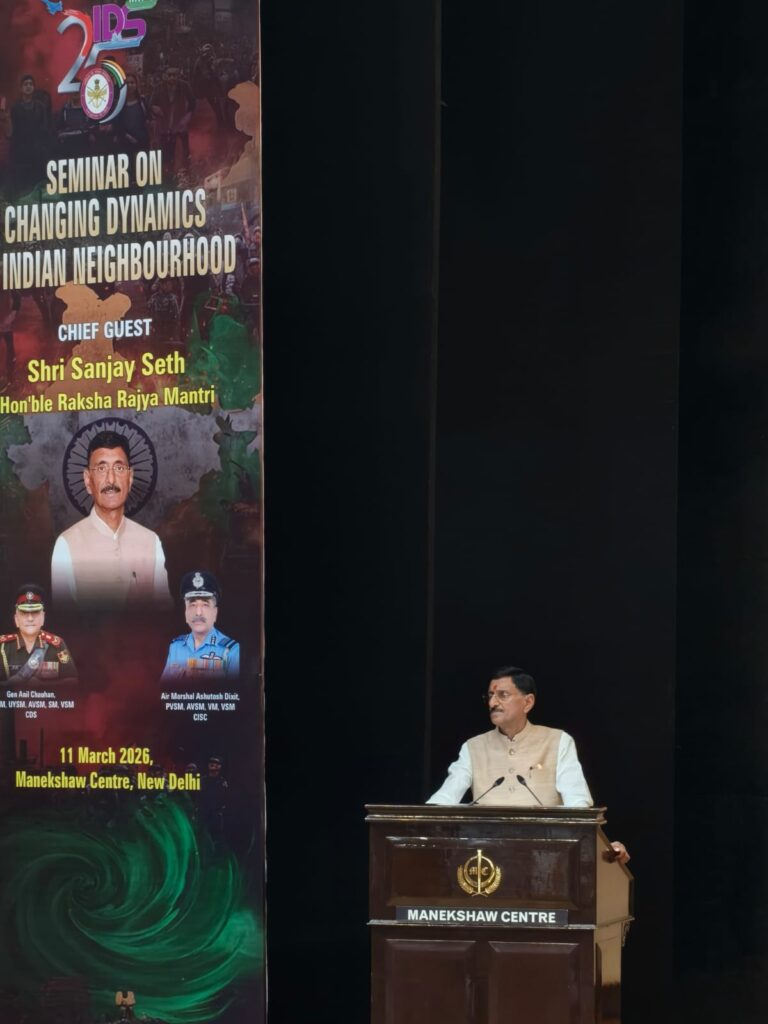
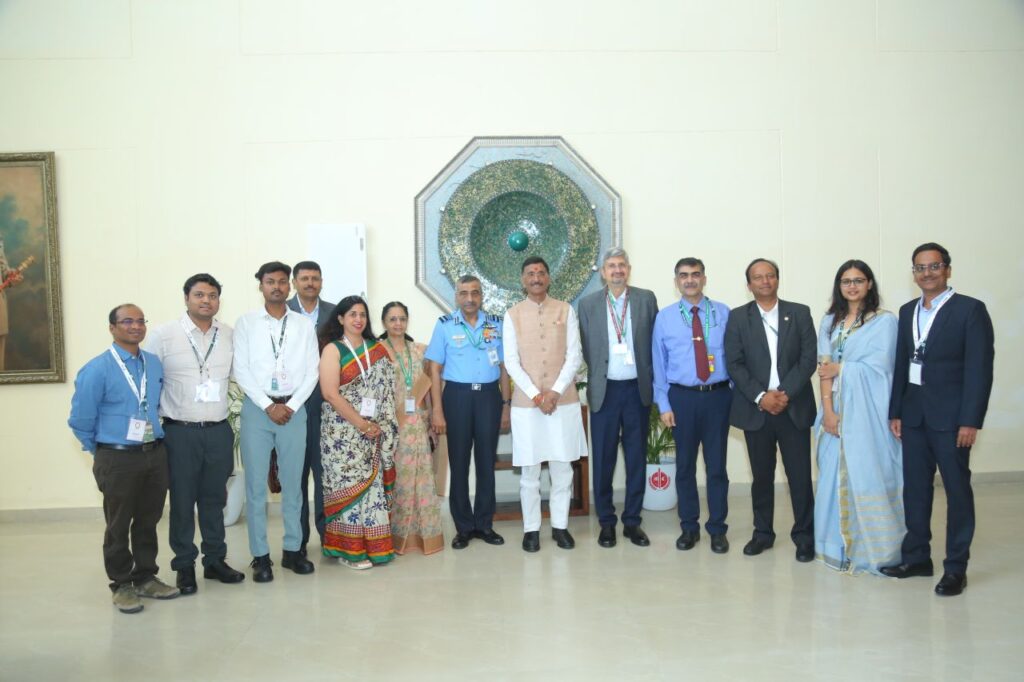
At a time when South Asia’s geopolitical currents are shifting with both urgency and uncertainty, the seminar “Changing Dynamics in India’s Neighbourhood,” organised by the Centre for Joint Warfare Studies (CENJOWS) in collaboration with Headquarters Integrated Defence Staff (HQ IDS) on 11 March 2026, could not have been more timely. Held at Zorawar Hall, Manekshaw Centre, New Delhi, the event gathered a distinguished mix of diplomats, defence experts, scholars and strategic thinkers to unpack developments in Pakistan, Bangladesh and Nepal — three neighbours whose internal trajectories and strategic choices deeply shape India’s security environment. Energised by incisive addresses from Shri Sanjay Seth, Hon’ble Raksha Rajya Mantri, and Air Marshal Ashutosh Dixit, CISC, the seminar blended rigorous analysis with forward-looking policy discourse, underscoring the imperative of strategic awareness and regional cooperation.
The seminar’s structure — three thematic sessions dedicated to Pakistan, Nepal and Bangladesh — provided a coherent and compelling framework to examine the nuanced and often interconnected drivers of change across India’s immediate neighbourhood. The opening session, “Pakistan Post-Operation Sindoor,” delivered sobering assessments of a nation in flux. Speakers traced Pakistan’s political evolution from a managed democracy through hybrid forms of governance to what some described as a “coup-less coup,” where the military exerts decisive influence without overtly toppling civilian institutions. Of particular concern were shifts in strategic doctrine: the contrast between the previously geoeconomically oriented Bajwa Doctrine and the emerging Munir Doctrine, which foregrounds Islamic ideological identity and a revived emphasis on the two-nation theory. The creation of the Army Rocket Force Command in August 2025 and moves toward decentralised operational decision-making signal a recalibration of Pakistan’s force posture that could increase unpredictability in the subcontinent. These analyses highlighted how doctrinal shifts and organisational reforms in Pakistan have tangible implications for deterrence, crisis stability and India’s defence planning.
The second session, “Nepal: From Stable Kingdom to Fractured Democracy,” turned attention to a country whose political metamorphosis since the abolition of its monarchy continues to reverberate across the region. Panelists mapped Nepal’s trajectory through phases of political fragmentation, shifting coalitions and governance challenges, noting how these internal dynamics complicate development priorities and bilateral engagement. For India, Nepal’s stability is not merely an abstract interest: shared borders, deep economic interdependence and cultural linkages make Kathmandu’s political health a direct determinant of regional equilibrium. The discussion underscored that sustained diplomatic engagement, economic cooperation and support for institutional resilience in Nepal are essential instruments of regional stability.
The third session, “Bangladesh: From Strategic Strength to an Emerging Challenge,” brought sharp focus to Dhaka’s evolving role. Once viewed as one of India’s most dependable neighbours, Bangladesh has seen its political transitions, economic pressures and growing external influences prompt recalibration among policymakers. Speakers noted that while Bangladesh remains economically dynamic and strategically significant, its shifting internal landscape demands careful attention to political trajectories, governance quality and foreign-policy alignments. The session emphasized that nuanced engagement — balancing development cooperation, connectivity initiatives and security collaboration — will be crucial to sustaining a constructive partnership with Bangladesh while safeguarding India’s regional interests.
Beyond these country-specific conversations, the seminar also advanced broader reflections on modern conflict and research priorities. Participants highlighted the need to expand analytical frameworks that capture hybrid threats, information warfare, and the interplay between domestic politics and external alignments. Emphasis was placed on integrated policy responses that combine diplomatic agility, defence preparedness and economic statecraft to manage complex contingencies. The presence of senior defence leadership and interdisciplinary experts demonstrated the value of whole-of-government and whole-of-society approaches to understanding and shaping neighbourhood dynamics.
What made the seminar particularly energising was its blend of candid appraisal and constructive outlook. Rather than succumbing to pessimism, speakers and attendees engaged with the region’s challenges as manageable with the right combination of foresight, cooperation and capability. The event galvanized a shared recognition that India’s strategic responses must be proactive, calibrated and rooted in deep regional knowledge. In practical terms, this means strengthening defence diplomacy, bolstering economic connectivity, supporting resilient governance in neighbouring states and investing in anticipatory strategic research.
Expanding Research on Modern Conflict
In an era defined by rapid technological change and increasingly fluid geopolitical boundaries, the study of modern conflict has never been more vital. The seminar brought into sharp focus a set of emerging research themes that capture how 21st-century security challenges are evolving: from rapid military modernisation in South Asia to the growing potency of narrative warfare, from the stealthy proliferation of grey‑zone tactics to the transformative impact of novel technologies on conflict dynamics. These topics do more than catalogue new threats; they map the terrain on which future strategic contests will be fought and chart pathways for scholars, practitioners and policymakers to respond effectively.
Pakistan’s Rapid Military Modernisation in Comparison with India
One of the seminar’s most consequential lines of inquiry examined Pakistan’s accelerated military modernisation and how it compares with India’s own defence developments. Pakistan’s recent procurement choices, investments in missile technologies, refinements in doctrine, and emphasis on asymmetric capabilities reflect a determined effort to rebalance conventional and unconventional tools of statecraft. When set against India’s ongoing modernization—characterized by doctrinal adaptation, force restructuring, and an emphasis on indigenization and networked systems—this evolution raises urgent questions. What are the implications for deterrence stability in South Asia? How do changes in force composition influence crisis dynamics, escalation ladders, and command-and-control resilience? Comparative research that combines capability assessment with doctrinal analysis and scenario-based war gaming will be indispensable for anticipating future flashpoints and designing credible stabilizing measures.
The Increasing Role of Narrative Warfare in Achieving Political Objectives
Traditional battlefields coexist now with contested information environments where narratives can be as decisive as tanks or missiles. The seminar underscored narrative warfare’s rising role: strategic messaging, disinformation campaigns, and identity-based appeals that shape domestic politics and international perceptions. Narrative warfare operates across platforms—social media, traditional press, diasporic networks—and leverages psychological dynamics to erode trust, polarize societies, and delegitimize opponents. Research must therefore move beyond descriptive accounts to develop rigorous frameworks for measuring narrative effectiveness, tracing transmission pathways, and designing resilient information ecologies. Understanding how adversaries weaponize storylines and how states can counter malign narratives without infringing on democratic norms is a pressing research frontier.
The Impact of Emerging Technologies on Grey-Zone Warfare
Grey‑zone warfare—those calibrated actions that fall below the threshold of open war—has always been a feature of competitive geopolitics. But emerging technologies have multiplied the tools available for such operations. Drones, autonomous systems, artificial intelligence (AI), cyber tools, and precision-guided stand-off capabilities enable stealthy coercion, attribution-resistant attacks, and persistent pressure campaigns. The seminar highlighted how technologies like AI-powered surveillance and small unmanned aerial systems complicate traditional defence postures and blur the line between civilian and military targets. Scholarship must examine how these technologies alter the calculus of escalation, the economics of coercion, and the legal frameworks governing state behaviour. Moreover, interdisciplinary research—bridging engineering, ethics, law and strategy—will be needed to craft norms, controls and defensive measures that reduce the risks of inadvertent crises.
The Evolution of Grey-Zone Strategies in Modern Conflicts
Connected to the technological shift is the ideological and doctrinal evolution of grey‑zone strategies themselves. States and non‑state actors increasingly combine coercive economic levers, covert operations, information campaigns, and calibrated military pressure to pursue strategic goals while remaining below the threshold of armed conflict. The seminar’s discussions revealed how grey‑zone actions are tailored to exploit political fissures, institutional vulnerabilities, and permissive legal regimes. Studying the lifecycle of grey‑zone campaigns—from initiation and escalation management to attribution and counter-measures—will be critical for crafting resilient national strategies. Comparative case studies, longitudinal data on incidents, and the development of early-warning indicators can help policymakers discern patterns and respond proactively rather than reactively.
The Possible External Influences in Political Developments within Bangladesh
The seminar also pointed attention to the political trajectories within Bangladesh and how external influences may shape domestic developments. In an interconnected region, external state and non‑state actors exert influence—through economic ties, political patronage, information operations, and security partnerships—that can amplify domestic cleavages or stabilize governance depending on context. Research that disentangles domestic drivers from external interventions is essential to avoid misattribution and to craft nuanced policy responses. This includes a close, evidence-based study of diplomatic footprints, investment patterns, media flows, and transnational networks that intersect with Bangladesh’s political landscape. The broader lesson is that regional stability is as much a function of internal governance as it is of how neighbouring and distant powers engage with domestic actors.
Distinguished Voices in Strategic Affairs
The seminar’s intellectual vitality was amplified by an impressive array of speakers and panellists—senior diplomats, retired military leaders, scholars and practitioners—whose insights spanned the operational, diplomatic and academic dimensions of security policy. Contributions from figures such as Ajay Bisaria, Lt Gen Shokin Chauhan, Lt Gen Deependra Hooda, Lt Gen P.J.S. Pannu, Lt Gen Rakesh Sharma, Air Marshal Ravi Kapoor (Retd), Lt Gen Dushyant Singh (Retd), and many others enriched the conversation with frontline experience and strategic judgment. Their participation underscored the value of cross‑sector dialogue: military perspectives on force posture, diplomatic nuance on crisis management, and scholarly rigor in conceptualizing long‑term trends together create a fuller picture of regional dynamics. Panels chaired by Lt Gen P.J.S. Pannu (Retd) facilitated candid exchanges that sharpened priorities for both research and policy.
Book Launch & Technological Initiatives
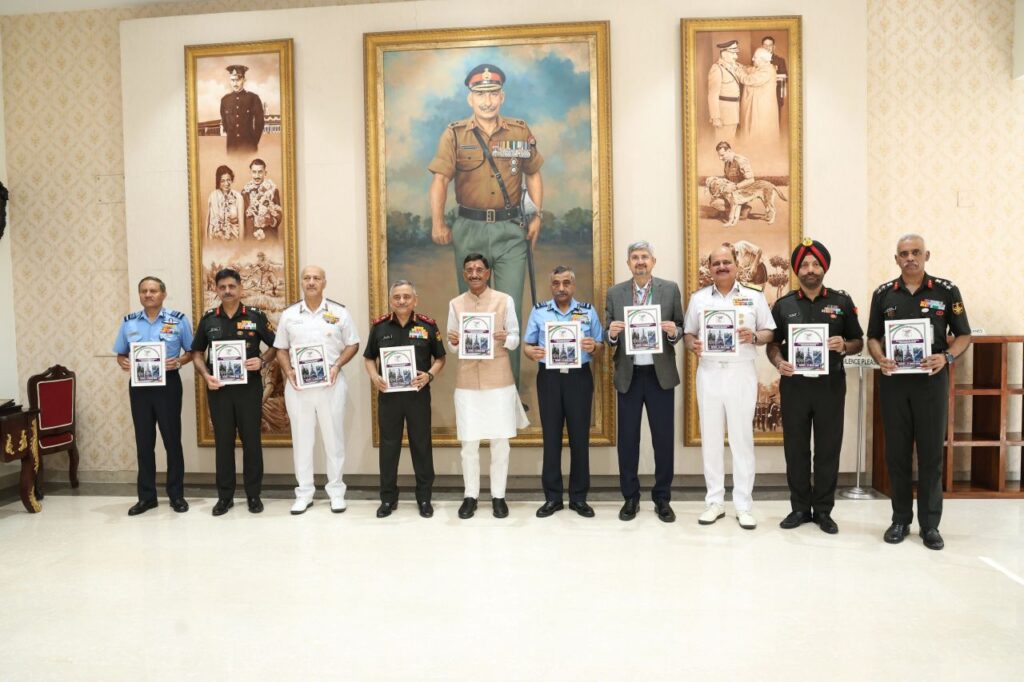
The intellectual program extended beyond debate to knowledge dissemination and technological innovation. The launch of Sreoshi Sinha’s The Secret War: Inside the Dark Nexus of Global Terror added empirical texture to discussions on transnational terrorism and covert networks. Complementing the conceptual work were concrete technological initiatives unveiled at the seminar that point to the future of defence operations. The Integrated Online Training and Evaluation Program (IOTEP‑IDU) promises to modernize training, education and assessment across defence establishments, enhancing readiness and professional development. Equally noteworthy was the Situational Awareness Module for Aerial Drones (SAMAD), developed by DRDO’s Centre for Artificial Intelligence and Robotics, a tool expected to boost operational awareness and improve drone mission efficacy. These launches exemplify the seminar’s twin focus: understanding modern conflict intellectually while equipping practitioners with technological solutions.
A Platform for Strategic Dialogue
Beyond formal presentations, one of the seminar’s most valuable functions was as a nexus for sustained interaction among policymakers, military officers, researchers and academics. These exchanges allow for calibration of perspectives—where practitioners test theories against operational constraints and scholars refine hypotheses in light of field realities. The iterative dialogue helps build shared vocabularies, align research agendas with policy needs, and foster networks of collaboration that outlast any single event. In a region as dynamic as South Asia, such platforms are indispensable for creating informed, coordinated responses to emerging challenges.
Implications for Research Agendas & Policy
Several clear imperatives emerged from the seminar’s wide-ranging discussions. First, interdisciplinary research that marries technological literacy with sociopolitical analysis is essential. Understanding how AI, cyber capabilities and unmanned systems reshape conflict requires experts who can translate technical affordances into strategic consequences. Second, comparative and context‑sensitive studies—particularly those that juxtapose developments in Pakistan, India and Bangladesh—are needed to illuminate patterns of competition, cooperation and contagion. Third, there is a pressing need for actionable policy research: studies that yield operationally relevant recommendations for deterrence, resilience, crisis management and international normative frameworks. Finally, capacity building—both in terms of human capital and digital tools—will determine which states can adapt most effectively to the changing face of conflict.
The seminar reaffirmed a simple but profound truth: the character of conflict is changing, and scholarship must change with it. As traditional military competition increasingly intersects with information warfare, cyber capabilities and technological innovation, researchers and policymakers must adopt broader lenses and more agile methods. The themes discussed—Pakistan’s military modernisation, the ascendancy of narrative warfare, technologies reshaping grey‑zone operations, evolving non‑kinetic strategies, and external influences on domestic politics—are not isolated puzzles but interlocking aspects of a new strategic environment. By nurturing interdisciplinary research, fostering cross‑sectoral dialogue, and investing in both conceptual and technological tools, the strategic community can better anticipate risks and shape policies that promote stability in South Asia and beyond. The seminar was not merely a forum for analysis; it was a call to action—to expand, deepen and energize research on modern conflict so that societies can meet the challenges of an uncertain future with insight and resolve.