Staff Correspondent
JSC Rosoboronexport, a subsidiary of the Rostec State Corporation, will present a comprehensive and strategically curated display of Russian naval capabilities at the Fleet‑2026 International Maritime Defence Show in Kronstadt, St. Petersburg, from 10 to 14 June. The company’s participation underscores Russia’s intent to project its shipbuilding, weapons, and unmanned systems competencies to an international audience, and to deepen defence‑industrial cooperation with partner states through demonstrations, dialogue, and prospective industrial collaboration.
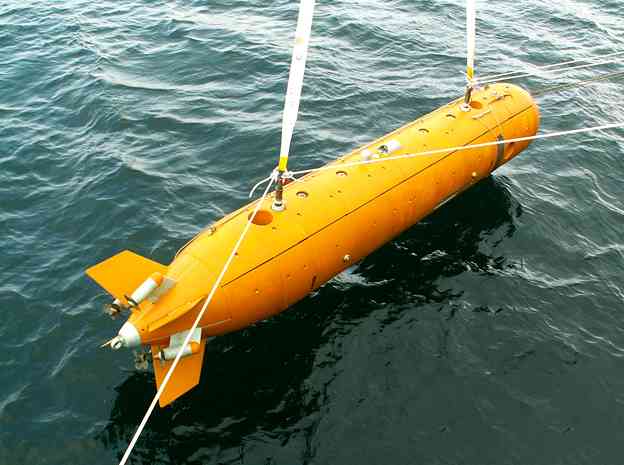
Rosoboronexport’s exhibition places particular emphasis on maritime robotics and unmanned systems, a rapidly growing segment of global significance. The company will introduce, for the first time in Kronstadt, a series of unmanned surface and integrated maritime systems — notably the Breeze, BEK‑6 and an Unmanned Maritime System — which embody contemporary design principles such as stealthy composite hulls, artificial‑intelligence‑assisted control, advanced navigation suites, and modular payload flexibility. These attributes reflect prevailing trends in naval autonomy and survivability, intended to increase operational endurance, reduce human risk, and expand mission profiles across surveillance, mine‑countermeasure, and littoral strike roles. Complementing the surface robotics, Rosoboronexport will also showcase underwater autonomy through platforms such as the MMT‑300 autonomous unmanned underwater vehicle and the Klavesin‑1RE system, further illustrating an integrated approach to persistent undersea operation and data collection.
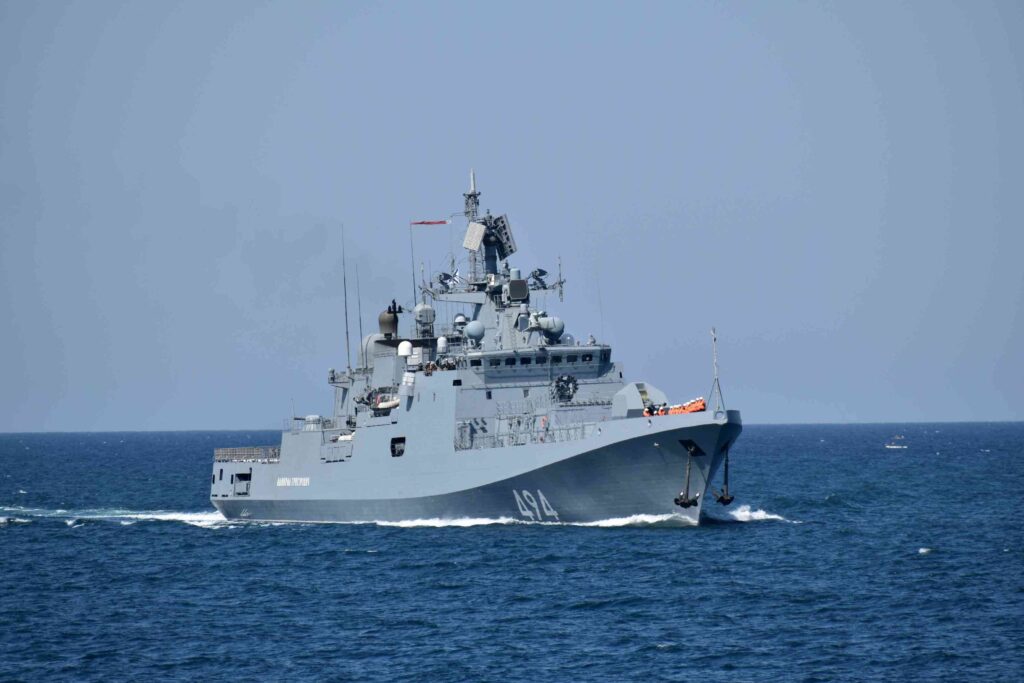
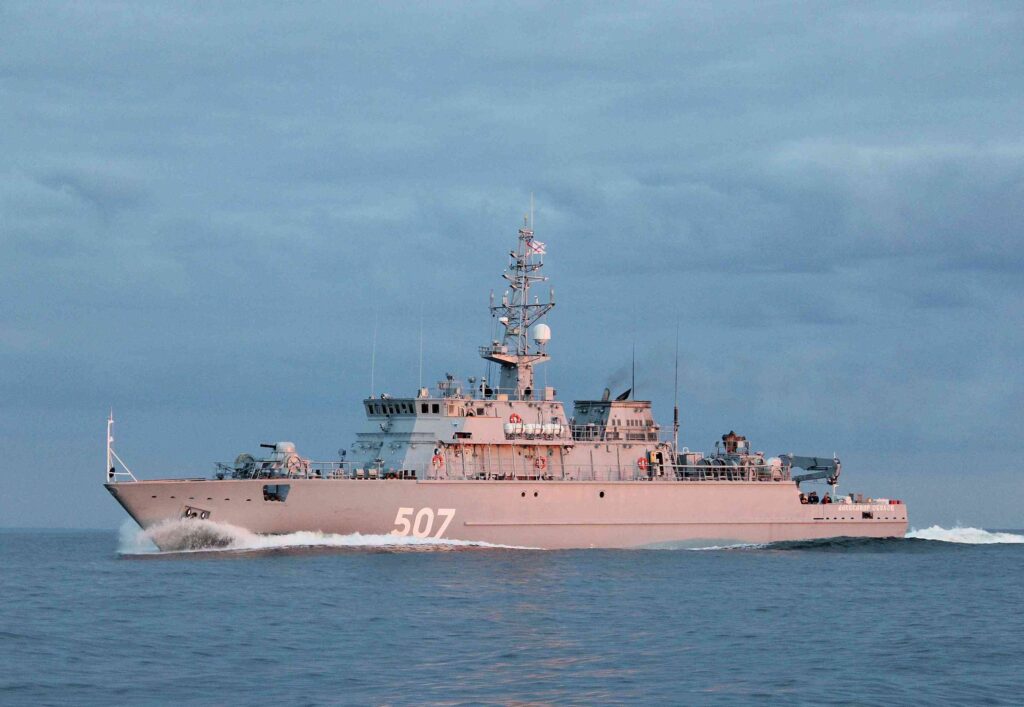
In addition to unmanned systems, the exhibition will feature a cross‑section of Russia’s surface combatants and submarines tailored for export and compatibility with modern naval doctrines. Surface assets on display will include a Project 11356 NG frigate equipped with a multi‑channel air‑defence capability and combined ammunition loads; the Tigr‑class corvette fitted with the Zaslon multifunctional radar; the Karakurt‑E corvette; and the Project 12701 Alexandrite‑E mine countermeasure vessel. These platforms incorporate stealth technologies and are engineered for potential integration with robotic systems, demonstrating a design philosophy that privileges reduced signatures and networked operations. Subsurface offerings will include Project 636 and 677E Amur‑1650 diesel‑electric submarines, which are presented as export‑oriented designs featuring potent missile and torpedo armaments, acoustic and physical signature reduction measures, and extended submerged endurance—attributes aimed at enhancing lethality and survivability in contested littoral and blue‑water environments.
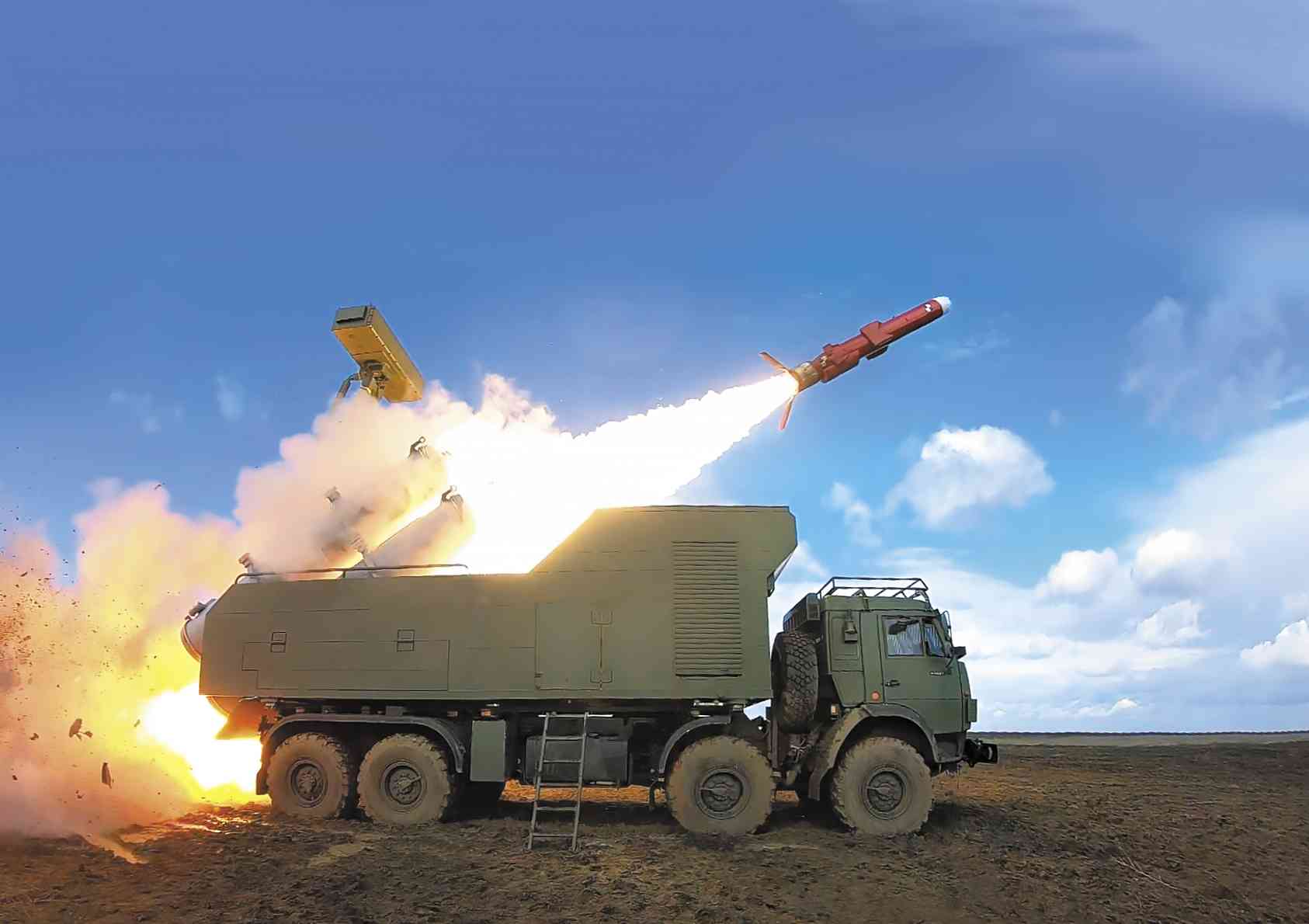
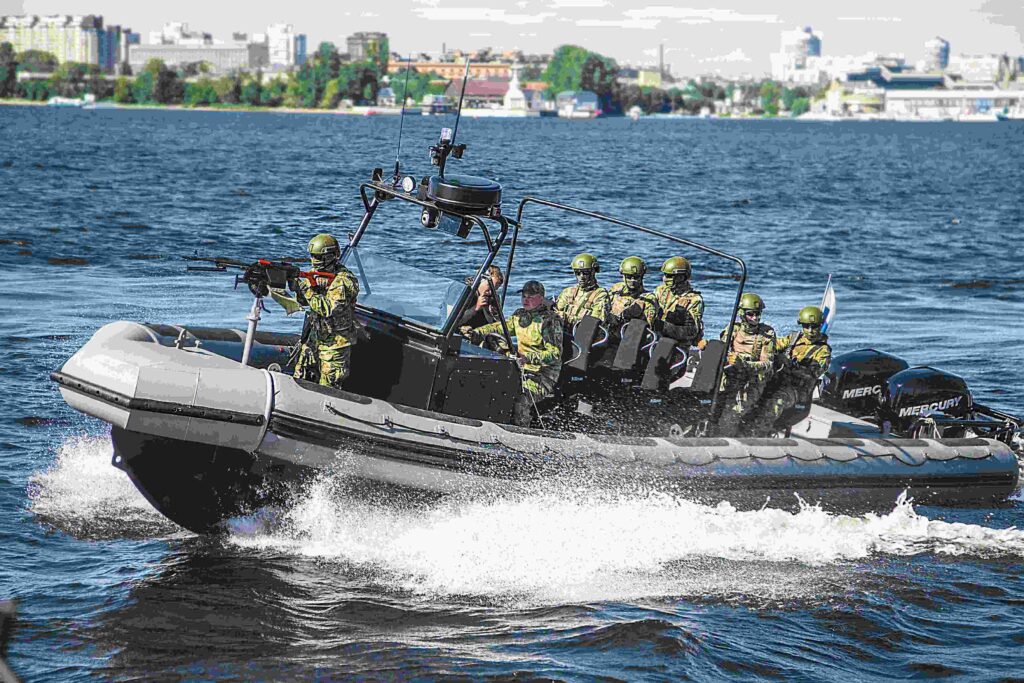
Rosoboronexport will also present equipment currently in service with Russian state agencies—Ministry of Defence, Ministry of Internal Affairs, Ministry of Emergency Situations, and the FSB Border Service—thereby emphasizing the operational pedigree of exhibited systems. Among these is the BK‑10 high‑speed assault boat, examples of which will be displayed alongside an array of naval weapons and coastal defence systems, including the Rubezh‑ME coastal missile system. The juxtaposition of fielded platforms and demonstrator models conveys both the maturity and adaptability of the Russian maritime portfolio.
The company has planned an intensive outreach program during Fleet‑2026, comprising some 75 presentations and demonstrations staged both in an open‑air pavilion and at the pier. This program seeks to provide potential foreign partners with direct, technical, and operational insights into equipment capabilities, platform integration possibilities, and prospective procurement and co‑production arrangements. Rosoboronexport has stressed that many exhibited models may be produced either in Russia or at partner production facilities under technology cooperation, signalling openness to industrial collaboration and localized production arrangements that can be attractive to acquiring states.
Rosoboronexport’s prominent role at Fleet‑2026 reflects its position as Russia’s sole state intermediary for the export of defence‑related and dual‑use products, services, and technologies. As part of Rostec, the agency benefits from access to a broad industrial base: Rostec unites over 800 research and production organizations across some 60 regions and plays a central role in meeting state defence procurement requirements while also fostering civilian technological development in sectors such as aerospace, engine building, transportation, power engineering, and medical technologies. Rosoboronexport itself claims a commanding share of the national export market for military goods, coordinating with more than 700 domestic defence enterprises and engaging in military‑technical cooperation across more than 100 countries.
The Fleet‑2026 exhibition thus operates at the intersection of technological demonstration, diplomatic engagement, and industrial diplomacy. For Rosoboronexport, the event offers a venue to validate and market system performance, to negotiate prospective contracts and co‑production agreements, and to reinforce long‑standing relationships with interlocutors from allied and partner navies. For foreign delegations, the show provides an opportunity to evaluate Russian offerings against their own strategic requirements and explore industrial partnership options, including licensed production, technology transfer, or joint manufacturing.
From a broader perspective, the prominence afforded to unmanned and stealth‑oriented designs in Rosoboronexport’s display signals an acknowledgement of the shifting paradigms of naval warfare. Autonomy, signature management, networked sensors, and modular payload architectures are central to contemporary maritime operations, enabling distributed lethality, persistent surveillance, and cost‑effective force posture in littoral domains. By integrating these capabilities across a range of platforms—from small assault craft and corvettes to frigates and diesel‑electric submarines—Rosoboronexport projects a coherent suite of systems aimed at clients seeking comprehensive, interoperable maritime solutions.
Rosoboronexport’s Fleet‑2026 participation represents a calculated effort to showcase Russia’s advanced naval technologies and to cultivate defence‑industrial links with international partners. Through live demonstrations, extensive technical briefings, and the presentation of both fielded and export‑oriented platforms, the company aims to translate technological competencies into tangible export opportunities and cooperative ventures. The exhibit’s focus on unmanned systems, stealthy platform design, and integrated weapons solutions underscores Russia’s strategic priorities in maritime capability development and its intent to remain a competitive supplier in the global arms market.