
Chaitali Bag
The character of warfare is evolving at an unprecedented pace. Conflicts in Ukraine, the Middle East and elsewhere have underscored the growing importance of integrated air defence, artificial intelligence, precision strike capabilities and rapid technological adaptation. In this exclusive conversation with Indian Aerospace & Defence Magazine, Yoav Turgeman, CEO of Rafael Advanced Defense Systems, discusses the lessons emerging from contemporary conflicts, the future of missile defence, directed energy weapons, AI-driven warfare, India’s strategic importance, and the technologies that will define the next generation of military capability.
Q. The conflicts in Ukraine, the Middle East and other regions have transformed military thinking worldwide. What do you believe are the most significant lessons these conflicts have taught defence planners and industry leaders?
- The recent conflicts have demonstrated beyond any doubt that air defence is no longer a specialised capability—it has become one of the fundamental pillars of national security. The modern battlefield is characterised by an unprecedented diversity of threats that must be addressed simultaneously. These range from small unmanned aerial systems capable of targeting individual soldiers or command posts, to cruise missiles, long-range ballistic missiles and, increasingly, highly manoeuvrable hypersonic weapons. Future military forces will need to operate in an environment where all of these threats may appear together, requiring integrated and highly responsive defensive architectures.
One of the defining characteristics of these conflicts has been the increasing use of saturation attacks. Rather than relying on a single missile or aircraft, adversaries now launch large numbers of drones, rockets and missiles simultaneously with the objective of overwhelming defensive systems. This fundamentally changes the economics and operational design of air defence. Success can no longer depend on a single interceptor or a single layer of protection. Instead, nations require a truly layered air defence architecture capable of engaging every category of threat with the most appropriate and cost-effective interceptor while ensuring sufficient redundancy should one defensive layer be penetrated.
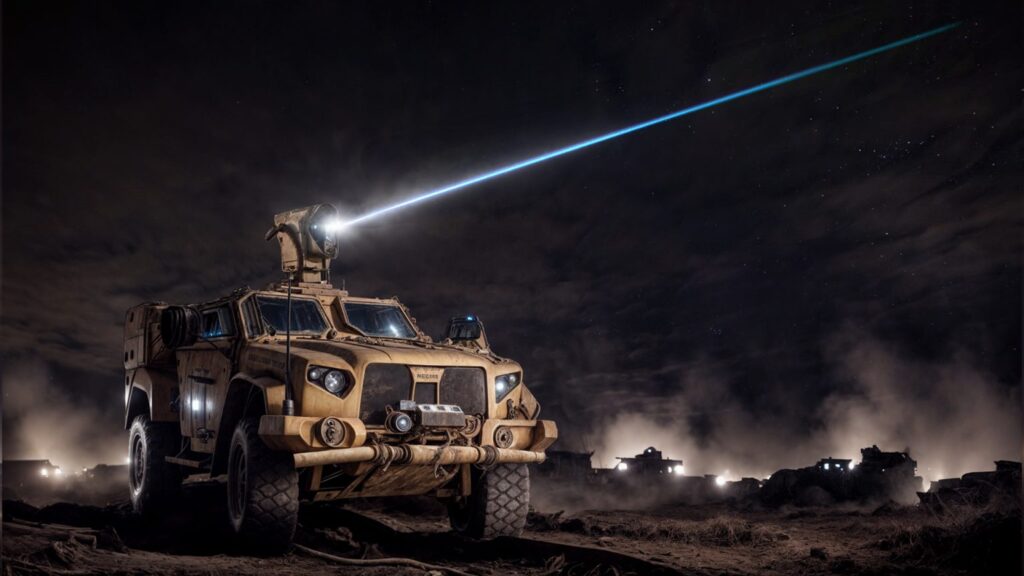
This philosophy has been demonstrated through Israel’s multi-layered air defence network, where systems such as Iron Dome, David’s Sling, Iron Beam and higher-tier interceptors complement one another. Lower-cost interceptors can intercept short-range rockets, while higher-end systems address ballistic or strategic threats. The command-and-control architecture intelligently allocates interceptors according to the threat, ensuring operational effectiveness while optimising costs. Increasingly, artificial intelligence is becoming an essential element of this decision-making process, allowing command systems to analyse multiple incoming threats simultaneously, prioritise engagements and maximise defensive efficiency in real time.
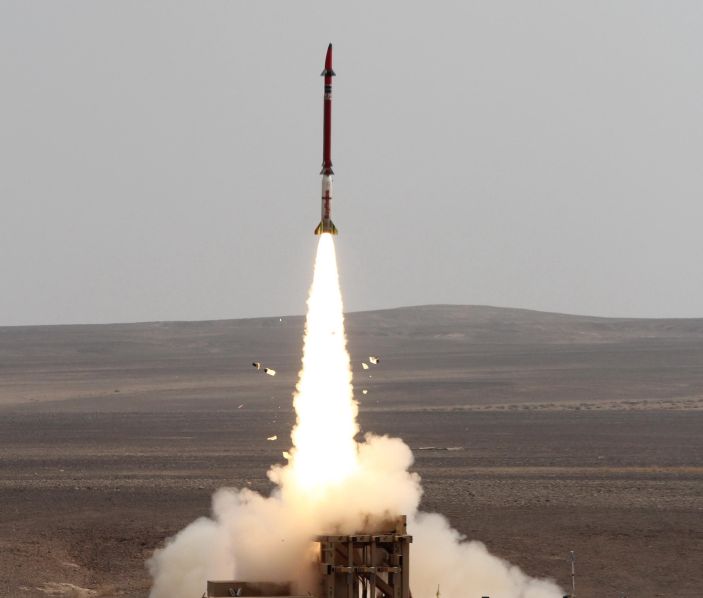
Another equally important lesson is that the defenders themselves have become targets. Air defence batteries are now routinely attacked by drones, loitering munitions and precision-guided weapons in an attempt to degrade or disable defensive capabilities before larger attacks are launched. Consequently, modern air defence systems must possess organic self-protection capabilities. Defending the defender has become just as important as defending the asset itself.
Perhaps the most profound transformation, however, lies in the software-driven nature of modern warfare. Today’s weapons, sensors and electronic systems rely extensively on software rather than hardware. Unlike previous generations of military equipment, their behaviour can be modified almost overnight through software updates. This has created what can best be described as a continuous learning race between opposing forces.
As new tactics emerge and electronic environments evolve, military systems must be capable of adapting immediately. This demands open-architecture designs that enable rapid collection of operational data, continuous engineering analysis, and rapid deployment of software improvements back into operational systems. Future military capability will increasingly depend not simply on possessing advanced hardware, but on the ability to continuously learn, adapt and evolve faster than one’s adversary.
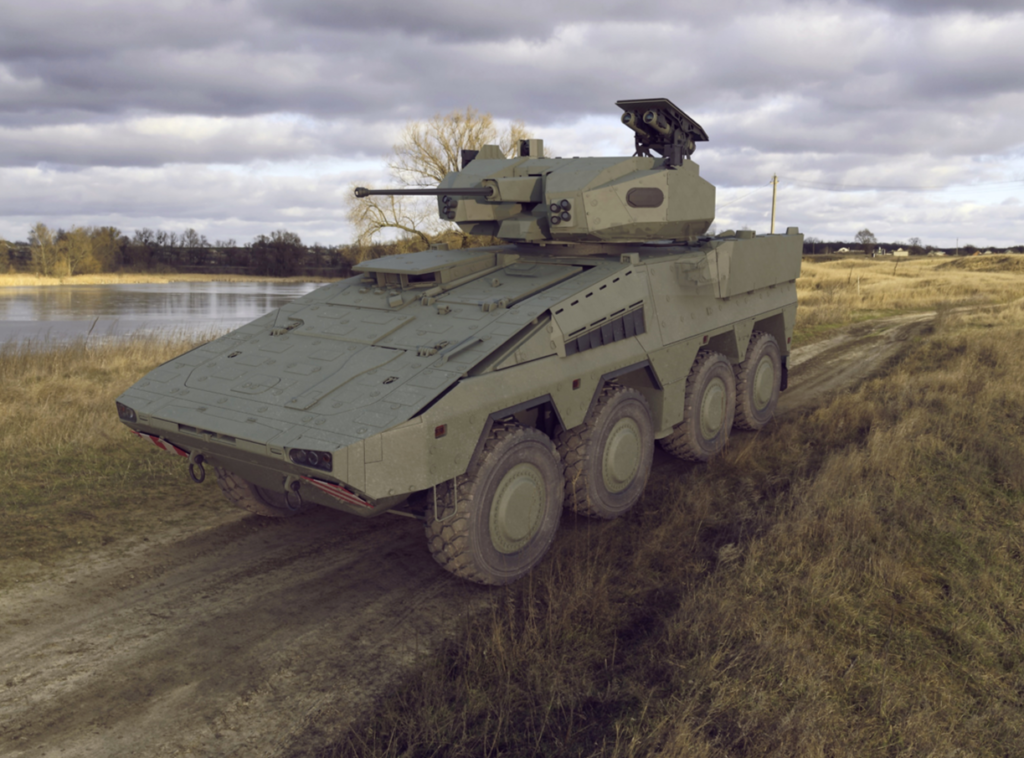
The conflicts have also reaffirmed the critical importance of survivability for armoured formations. The experience in Ukraine has clearly shown that conventional tanks and armoured vehicles operating without advanced protection systems become highly vulnerable to modern anti-tank guided missiles, loitering munitions and drones. Active Protection Systems have therefore become essential rather than optional.
Rafael’s Trophy Active Protection System has demonstrated this operational reality over many years. By successfully intercepting incoming anti-tank missiles before impact, Trophy has enabled armoured forces to manoeuvre confidently under fire, preserve combat effectiveness and accomplish their operational missions while significantly improving crew survivability.
Q. The battlefield is increasingly shaped by drones, loitering munitions and precision-guided weapons. How do you see the balance evolving between offensive strike capabilities and defensive systems over the next decade?
A. One of the most important lessons emerging from recent conflicts is that offence and defence can no longer be viewed as separate capabilities. They are intrinsically linked and must operate as a single, integrated combat ecosystem. A nation cannot expect to secure itself by relying solely on defensive measures. While intercepting incoming missiles, drones and other aerial threats remains critical, true security also depends on the ability to neutralise those threats before they are launched.
Long-range precision strike capabilities have therefore become an essential pillar of modern defence. They allow military forces to detect, identify and destroy launchers, missile batteries, command centres and other critical assets at their point of origin, often hundreds or even thousands of kilometres away. Preventing an attack before it occurs is always more effective than attempting to intercept every incoming threat after launch. In that sense, precision strike is not simply an offensive capability—it is a proactive form of defence.
Recent operational campaigns have clearly demonstrated the effectiveness of this approach. We have seen how intelligence, surveillance and precision engagement can work together to locate launch systems and neutralise them before they can threaten civilian populations or military forces. Such operations significantly reduce the burden on defensive interceptor systems while increasing overall operational effectiveness.
However, this principle works both ways. As important as it is to deny the adversary the ability to launch attacks, it is equally essential to protect your own offensive capabilities. Long-range strike assets, missile batteries, command-and-control nodes, logistics infrastructure and intelligence networks are themselves priority targets. If these capabilities are degraded or destroyed, a military force risks losing its ability to shape the battlefield and deter further aggression. Therefore, survivability, redundancy and layered protection must be built into every component of the offensive architecture.
Success in future warfare will depend on the seamless integration of intelligence, air defence and precision strike rather than treating them as independent functions. High-quality intelligence enables the rapid identification of emerging threats; integrated command-and-control systems fuse and analyse that information in real time; air defence protects critical assets and civilian infrastructure; and precision strike capabilities eliminate threats before they can be employed. Together, these elements create a continuous operational cycle that allows military forces to observe, decide and act faster than their adversaries.
Technology is further accelerating this convergence. Artificial intelligence, advanced sensor fusion, space-based surveillance, unmanned systems, and highly networked command-and-control architectures are enabling military commanders to compress the decision-making cycle dramatically. Instead of responding to threats after they materialise, future forces will increasingly anticipate, identify and neutralise them before they can have an operational effect.
Q. Many nations are now reassessing their defence procurement priorities. Which capability areas are witnessing the strongest demand from customers worldwide?
A. The current global security environment has fundamentally reshaped defence procurement priorities. Rather than focusing on a single capability, nations are investing across the full spectrum of military technologies to build integrated, resilient and future-ready armed forces. We are witnessing strong demand across virtually every major capability area, from land platforms and air defence systems to long-range precision strike, intelligence gathering and next-generation command-and-control networks.
One of the most notable trends is the renewed emphasis on protected combat platforms. Main Battle Tanks and armoured fighting vehicles remain indispensable on the modern battlefield, but they must now be equipped with advanced Active Protection Systems (APS) to remain survivable. Recent conflicts have demonstrated that conventional armoured platforms operating without active protection are highly vulnerable to modern anti-tank guided missiles, loitering munitions and armed drones. Survivability is no longer determined solely by armour thickness; it increasingly depends on intelligent protection systems that detect and defeat incoming threats before impact. This is driving significant investments in advanced protection technologies worldwide.
In the air domain, we are also seeing sustained demand for combat aircraft, although many countries recognise that replacing entire fleets is both costly and time-consuming. As a result, there is considerable interest in upgrading existing aircraft with advanced sensors, precision-guided munitions, electronic warfare suites and externally carried mission systems that enable legacy platforms to remain operationally relevant in increasingly contested environments. Future air forces will therefore comprise a combination of next-generation aircraft alongside modernised legacy fleets equipped with state-of-the-art capabilities.
At the same time, long-range precision strike capabilities have become one of the highest priorities for defence planners. Militaries increasingly understand that strategic deterrence depends not only on defending against incoming threats but also on possessing the ability to neutralise adversary capabilities at extended ranges. Among these technologies, hypersonic strike systems are emerging as one of the most strategically significant capability areas. The ability to engage time-sensitive, high-value targets at extreme speed while overcoming sophisticated air defence systems will play an increasingly decisive role in future conflicts. Technological competition in this domain is accelerating rapidly, and closing existing capability gaps has become a strategic imperative for many nations. Rafael has invested extensively in this field and believes hypersonic technologies will become a defining element of future military operations.
Another area experiencing exceptional growth is integrated air and missile defence. As the threat landscape expands to include drones, cruise missiles, ballistic missiles and emerging hypersonic weapons, countries are moving away from single-layer solutions towards comprehensive, multi-layered defence architectures capable of engaging diverse threats simultaneously. Modern air defence must combine multiple interceptor systems, advanced sensors and intelligent command-and-control networks to provide both operational effectiveness and cost efficiency. This is becoming one of the most critical investments for armed forces worldwide.
Perhaps the most transformative area, however, is intelligence. Future warfare will increasingly be decided by the side that can collect, process and exploit information faster than its adversary. Intelligence collection—particularly through space-based assets—is becoming indispensable. Satellites, high-altitude sensors, unmanned platforms and distributed surveillance networks now generate enormous volumes of information across every operational domain. The real challenge is no longer acquiring data; it is rapidly analysing that data, fusing information from multiple sensors and transforming it into actionable intelligence for operational commanders in real time.
Artificial intelligence and advanced data analytics are becoming central to this process. Modern command systems must be capable of filtering massive amounts of information, identifying genuine threats, prioritising targets and delivering accurate targeting solutions to combat forces within seconds. This dramatically shortens the sensor-to-shooter cycle and enables commanders to make faster, more informed decisions in highly dynamic combat environments.
Q. Rafael continues to expand beyond traditional defence domains into areas such as space technologies, advanced intelligence systems and AI-enabled solutions. How do these sectors fit into Rafael’s long-term vision?
A. Artificial Intelligence may be one of the most discussed technologies today, but for Rafael, it is far from a new concept. We have been investing in AI-related research and advanced computational technologies for more than three decades, long before the term entered everyday conversations. Our work began with sophisticated neural networks, genetic algorithms and machine-learning techniques designed to solve highly complex operational problems that could not be addressed through conventional mathematical modelling. Those early investments now form the foundation of many of Rafael’s most advanced defence systems.
Today, AI is deeply embedded across virtually every aspect of our organisation. While much attention naturally focuses on autonomous weapons and intelligent defence systems, AI’s contribution extends well beyond battlefield applications. It supports engineering design, manufacturing optimisation, predictive maintenance, supply chain management, logistics planning and even strategic organisational decision-making. As global demand for advanced defence systems continues to grow, AI enables us to improve efficiency, anticipate supply chain challenges and deliver capabilities to our customers more rapidly and reliably.
On the operational side, our philosophy has evolved beyond traditional rule-based systems. Conventional software operates according to predefined instructions, but modern battlefields are dynamic and constantly evolving. Our objective is to develop systems capable of continuous learning—systems that can analyse operational data in real time, recognise emerging patterns, improve their own performance and adapt autonomously without constant human intervention. This creates a much shorter innovation cycle and allows military capabilities to evolve at the pace of the threat environment.
One area where these advances have been particularly transformative is computer vision. AI-powered image recognition and target identification have significantly enhanced the performance of our precision-guided weapon systems. Our advanced computer vision technologies enable target recognition with extraordinary accuracy, allowing our munitions to achieve what we describe as pixel-level precision, even at extended ranges. Equally important, many of these capabilities can function independently of Global Navigation Satellite Systems (GNSS), ensuring operational effectiveness even in highly contested electromagnetic environments where satellite navigation may be denied or disrupted. This resilience provides a significant operational advantage in future conflicts, where electronic warfare and GPS denial are expected to become commonplace.
However, technology alone does not create battlefield superiority. Equally important is the ability to learn continuously from operational experience. One of Rafael’s greatest strengths lies in the exceptional scientific expertise of our workforce. We have one of the highest concentrations of scientists, researchers and doctoral-level engineers within the global defence industry. Our heritage as Israel’s national defence research laboratory continues to shape our culture, with many of our employees also serving as university lecturers and researchers. At the same time, the company actively supports advanced academic education to strengthen our long-term technological capabilities.
What makes this expertise truly unique is its close connection to operational reality. Many of our engineers also serve as reservists in the Israel Defense Forces. Some are fighter pilots; others command armoured formations, naval units or combat battalions. They are not merely designing systems from laboratories—they are using them, evaluating them under operational conditions and returning with first-hand battlefield experience. This creates an exceptionally powerful feedback loop between operational users and technology developers.
Lessons learned during military operations flow directly into our engineering teams, allowing improvements to be identified, validated and incorporated with remarkable speed. Whether the feedback concerns sensor performance, software behaviour, user interfaces or tactical employment, our engineers can rapidly refine and upgrade systems to meet emerging operational requirements. This ability to adapt continuously has become one of Rafael’s defining competitive advantages.
Our collaboration extends well beyond our own armed forces. We maintain close partnerships with defence ministries and customers around the world, ensuring that operational feedback from diverse theatres and mission environments is captured and translated into product improvements. Whenever our systems are deployed in operational situations, our technical experts work closely with users to understand performance, resolve challenges and implement lessons learned as quickly as possible. Innovation, therefore, becomes a continuous process rather than a periodic development cycle.
Q. As global defence spending rises and technological competition intensifies, what message would you like Rafael’s presence at Farnborough to convey to international customers and partners?
A. In the contemporary security landscape, where protracted production cycles are a luxury most customers can ill afford, the velocity of delivery has emerged as a strategic imperative, and vertically integrated firms that command their own supply chains enjoy a palpable competitive edge; consequently, at forthcoming defense exhibitions such as Farnborough 2026, discourse will coalesce around urgency and time to delivery, with Rafael’s capacity for end‑to‑end integration exemplifying this advantage, even as the community continues to emphasise enduring priorities—platform development and integrated air‑defence architectures, the rapid evolution of unmanned systems, and the mounting challenge posed by hypersonic manoeuvring threats, which many analysts now rank above conventional drone risks in terms of strategic significance—alongside renewed investment in precision deep‑strike capabilities; overarching all of these technological vectors is the critical, and perhaps definitive, role of actionable intelligence: the capacity to acquire real‑time, highly accurate targeting information through sophisticated sensor fusion, rigorous data filtering and the rapid extraction of true targets from an ever‑expanding information environment to defeat adversary deception, a capability whose decisive value has been demonstrated in recent conflicts and which will shape procurement priorities, doctrine and exhibition discourse alike.