Kamal Shah
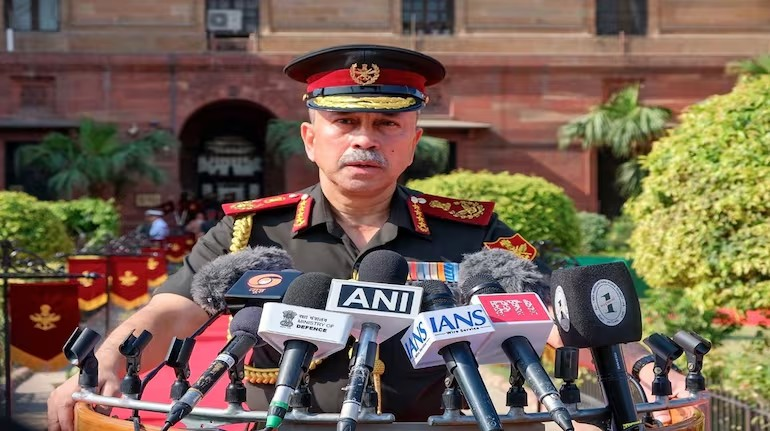
India’s defence establishment entered a dynamic new chapter on 31 May 2026. The simultaneous induction of General NS Raja Subramani as Chief of Defence Staff, Admiral Krishna Swaminathan as Chief of the Naval Staff, and Defence Secretary Rajesh Kumar Singh as the ex officio head of the Department of Defence Research and Development and Chairman of DRDO signals more than routine succession. It marks a deliberate, synchronized infusion of leadership across the military, maritime and technological pillars of national security, an alignment that promises to accelerate reform, sharpen maritime capabilities and turbocharge indigenous innovation.
A Clarion Call For Jointness & Theatrization
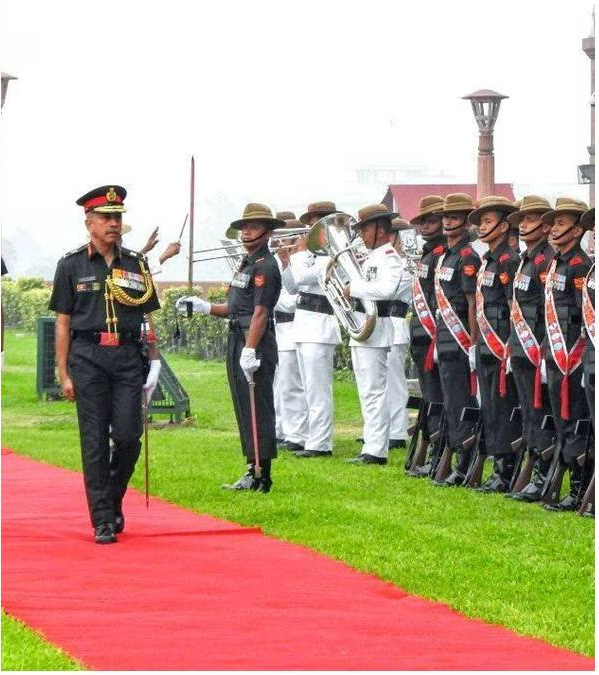
At the heart of this leadership refresh lies the appointment of General Subramani as CDS. More than a ceremonial elevation, his new role is a strategic lever for institutional transformation. The CDS office was conceived to break service silos, fuse the operational cultures of the Army, Navy and Air Force, and deliver cohesive advice to political leadership. General Subramani brings to this challenge a rare combination of operational experience, strategic education and institutional credibility. His track record, from counter‑insurgency and frontier commands to staff and diplomatic roles, equips him to broker the difficult conversations necessary for deeper integration.
Most consequential is the renewed momentum behind theatrization. Moving to integrated theatre commands would be a tectonic shift away from service-centric, stovepiped structures toward unified commanders responsible for geostrategic theatres. The potential benefits are clear: streamlined decision-making, optimized allocation of scarce assets, reduced duplication, and faster, more effective responses to multi-domain threats. Achieving theatrization will be an organisational and cultural project, one that requires political backing, doctrinal overhaul, joint training pipelines, interoperable logistics and a willingness among services to cede legacy prerogatives. With General Subramani at the helm, India has an experienced advocate to shepherd these reforms from concept to operational reality.
Maritime Primacy: An Energized Navy Under Admiral Swaminathan
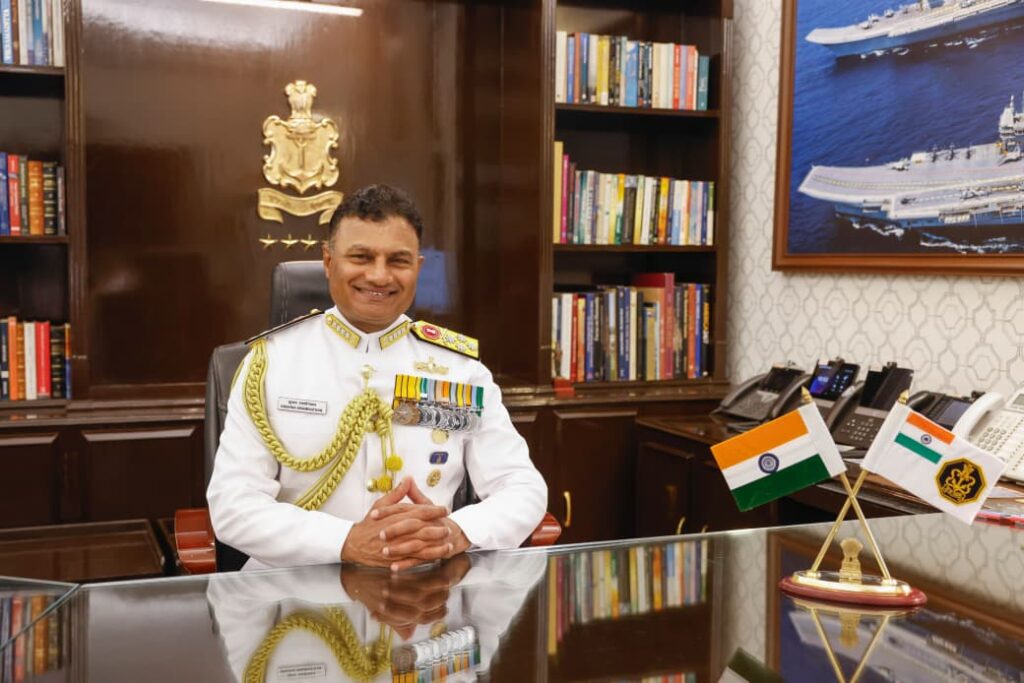
The Indo-Pacific’s strategic contest places renewed premium on maritime power—sea control, secure lines of communication, surveillance and deterrence. Admiral Krishna Swaminathan’s ascendancy as Chief of Naval Staff comes at an opportune moment to sharpen India’s blue‑water capabilities. Under his leadership, the Navy can be expected to pursue a balanced mix of platforms, doctrines and partnerships: expanding carrier and submarine forces, enhancing networked maritime domain awareness, and deepening interoperability with like‑minded navies.
Admiral Swaminathan’s leadership will be pivotal in operationalising naval contributions to theatre commands, integrating naval fires and maritime logistics into joint plans, and projecting credible deterrence across the Indian Ocean and beyond. His strategic stewardship could also catalyse India’s role as a provider of security public goods, anti‑piracy patrols, humanitarian assistance, and capacity building for regional partners, bolstering New Delhi’s diplomatic heft.
Indigenous Innovation: DRDO’s Renewed Mandate Under Civilian Stewardship
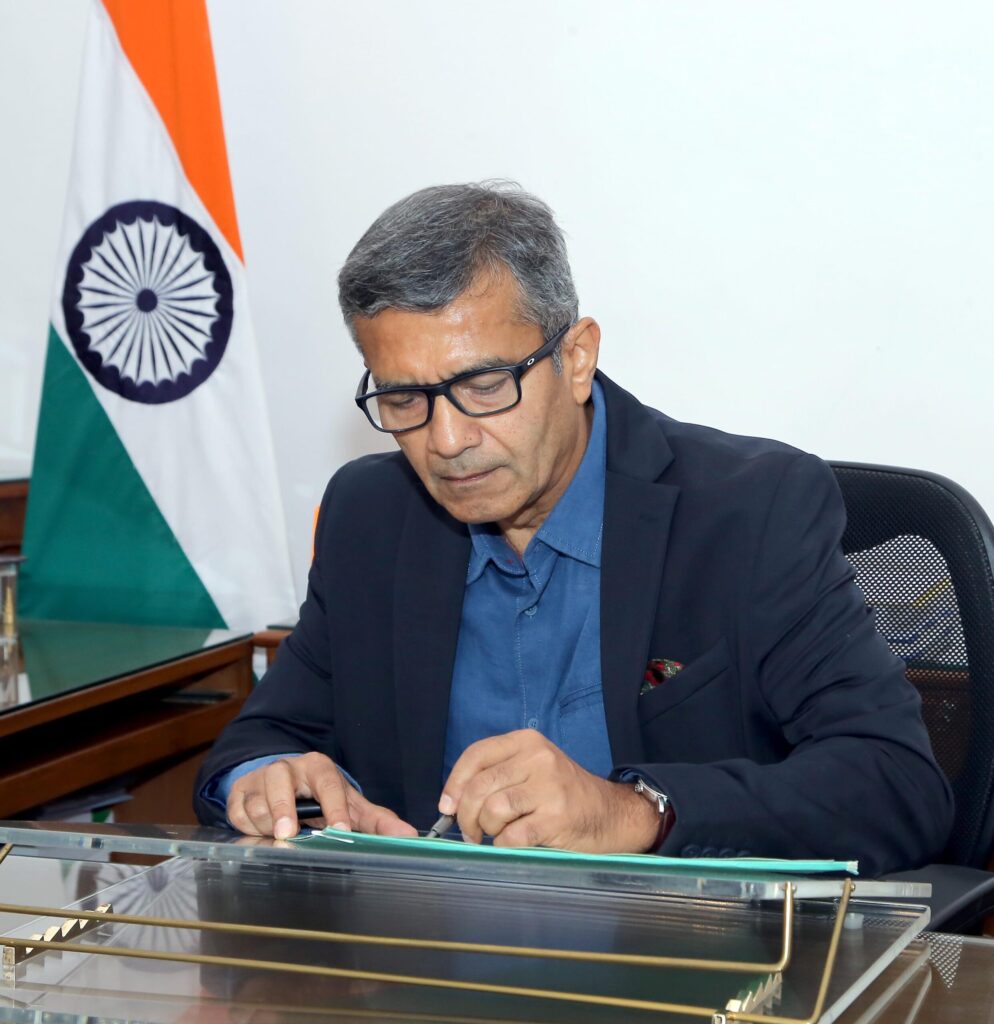
Assigning Defence Secretary Rajesh Kumar Singh additional charge as Secretary, DDR&D, and DRDO Chair is an important institutional signal: civilian oversight and bureaucratic coherence will now extend to the technological enterprise that underpins military capability. At a time when advanced technologies—AI, hypersonics, unmanned systems, quantum sensing and electronics are reshaping warfare, India’s ambition for self-reliance in defence acquisition must be matched by focused, mission-oriented R&D.
Singh’s dual role can expedite procurement pathways, align DRDO projects with service needs, and strengthen public‑private partnerships. By fostering transparent, accountable processes and incentivising start-ups and industry participation, DRDO can move from long gestation projects to rapid prototyping and fielding. The synergy between the services’ operational requirements and DRDO’s developmental agenda, facilitated by a defence secretary who straddles both domains, can reduce procurement timelines and ensure that indigenously developed systems are operationally relevant.
Synergies & Strategic Timing
The simultaneous leadership changes are not merely coincidental; they arrive as external pressures and technological imperatives converge. India faces an assertive neighbourhood, great‑power competition in the Indo‑Pacific, and complex non‑traditional security challenges. Against this backdrop, alignment across military command, maritime strategy and defence R&D can create multiplier effects: theatre commands that integrate naval and air power; DRDO projects that are rapidly iterated with front‑line feedback; and a civil‑military workflow that accelerates capability generation.
Moreover, the personalities and professional pedigrees of the new leaders matter. General Subramani’s credibility can ease inter‑service frictions; Admiral Swaminathan’s maritime vision can operationalise India’s oceanic ambitions; and Singh’s bureaucratic stewardship can translate strategic intent into deliverable systems. Collectively, they embody continuity, a commitment to national security priorities and change, a renewed impetus for implementation.
Challenges Ahead And The Path To Success
Optimism should be tempered by realism. Theatrization will confront institutional resistance, legal and fiscal hurdles, and the practical complexities of merging logistics, intelligence and command chains. Naval modernization must reconcile platform acquisitions with sustainment and human capital requirements. DRDO must overcome past delays, enhance quality assurance, and adopt faster development cycles while maintaining strategic autonomy.
Success will require transparent timelines, measurable milestones, robust joint training, and stronger civil‑military coordination mechanisms. Parliamentary oversight, industry incentives, export promotion and collaborative R&D with democratic partners can complement internal reforms. Most importantly, leadership must cultivate a culture of trust among services, between uniformed and civilian actors, and with industry to turn reformist rhetoric into operational gains.
Admiral Krishna Swaminathan: Reinforcing India’s Maritime Ambitions
With boundless energy and a clear strategic vision, Admiral Krishna Swaminathan’s elevation as the 27th Chief of the Naval Staff marks an exhilarating new chapter for India’s maritime ambitions. This decisive moment promises to turbocharge the Navy’s operational readiness, technological edge, and regional influence. Bringing nearly four decades of exemplary service and deep expertise as a Communication and Electronic Warfare specialist, Admiral Swaminathan arrives with a stellar record of command at sea, from fast attack craft like INS Vidyut and INS Vinash to guided-missile destroyers such as INS Kulish and the distinguished INS Mysore, and culminating in stewardship roles aboard the carrier INS Vikramaditya — demonstrating the breadth of his tactical acumen and the depth of his leadership. Beyond surface command, his tenure as Flag Officer Sea Training, Commander of the Western Fleet, senior staff appointments at Naval Headquarters, and, most recently, Chief of the strategically pivotal Western Naval Command have forged him into a leader uniquely attuned to the operational, personnel, and strategic imperatives of a modern navy. His wide-ranging education across India, the UK, and the US, and advanced qualifications in telecommunications, defence, strategic studies and international relations, further equip him to navigate the complex geopolitics of the Indo-Pacific with intellectual rigour and diplomatic savvy. Arriving at a time when the maritime security environment is increasingly contested with rising competition in the Indian Ocean Region, expanded Chinese naval activity, vital sea-lane protection duties, and evolving asymmetric threats, Admiral Swaminathan is ideally placed to reinforce India’s deterrence, enhance maritime domain awareness, and accelerate indigenous modernisation. Under his energetic stewardship, the Navy can be expected to redouble its indigenous shipbuilding efforts, bolster submarine and carrier battle group capabilities, and integrate cutting-edge technologies into a cohesive, network-centric force posture. His specialization in communications and electronic warfare signals a forward-leaning emphasis on information dominance, electromagnetic spectrum control, and integrated maritime operations capabilities that will be critical in ensuring tactical superiority and resilient command-and-control in future contingencies. Equally significant is his likely advocacy for stronger jointness under the theatre command concept, strengthening inter-service cohesion and enabling swifter, more synchronized responses across the maritime domain. As India expands its role in safeguarding global trade routes, delivering humanitarian assistance and disaster relief, and advancing its strategic interests across the Indo-Pacific, Admiral Swaminathan’s operational experience, strategic insight, and dynamic leadership promise to shepherd the Indian Navy into a bold era of transformation and heightened regional stewardship, an invigorating vision for a navy poised to play a decisive role on the world stage.
the triple leadership transition: a catalytic moment for india’s security
May 31, 2026, marks more than a routine handover — it heralds a bold new chapter in India’s defence journey. The simultaneous arrival of General NS Raja Subramani at the helm of the Army, Admiral Krishna Swaminathan leading the Navy, and Rajesh Kumar Singh steering defence research creates a rare alignment of command, capability, and innovation. This trio opens an exciting window for accelerating reforms, deepening self-reliance, and sharpening India’s strategic posture.
First, renewed momentum for military reform is now within reach. General Subramani’s clear commitment to theatrization and tri-service integration can turn long-discussed concepts into a real operational advantage. Faster implementation of joint structures will streamline command, cut duplication, and make the armed forces more agile, lethal, and efficient in resource use.
Second, indigenous capability stands to gain a powerful boost. With defence research and operational leadership sharing an emphasis on homegrown technologies, the pace of indigenisation can quicken. A stronger defence-industrial base means not only procurement security but also strategic autonomy in critical technologies.
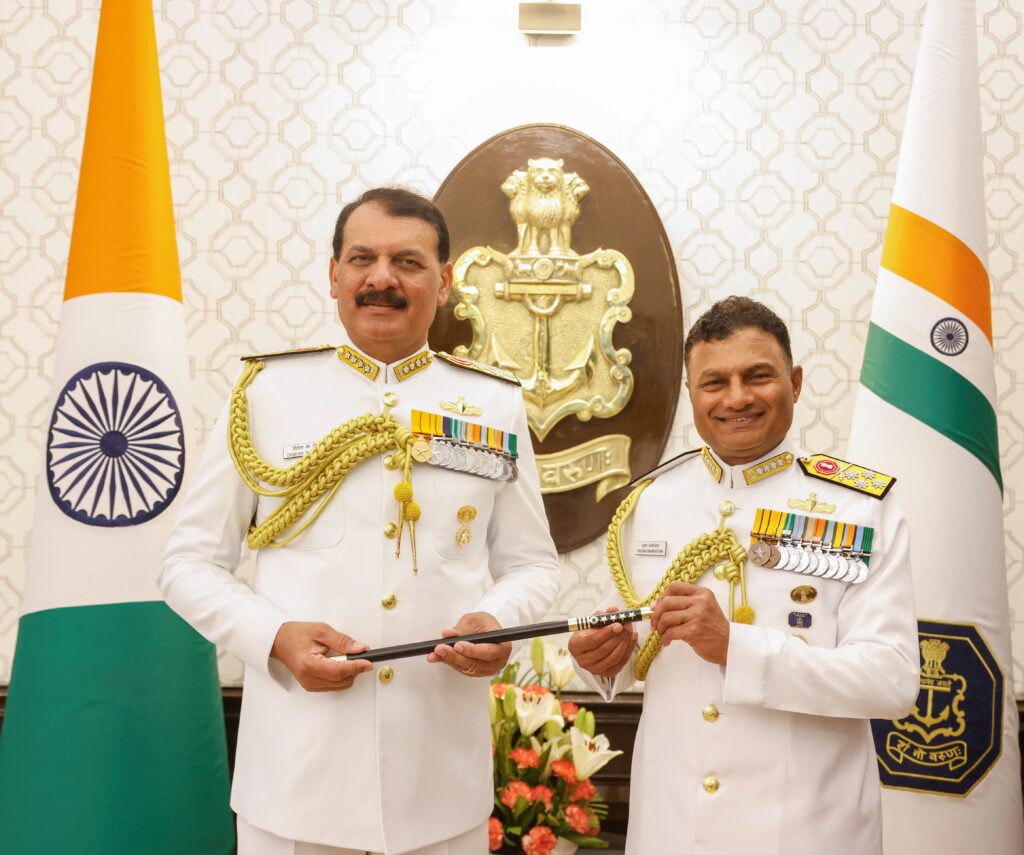
Third, maritime focus will strengthen India’s regional leadership. Admiral Swaminathan’s stewardship promises sustained prioritisation of maritime security and proactive engagement in the Indo-Pacific. A more capable, forward-looking navy will solidify India’s role as a stabilising maritime power and protector of vital sea lanes.
Fourth, convergence between operational needs and research priorities will drive better technology integration. When laboratories and services speak the same language, adoption cycles shorten and cutting-edge solutions reach the field faster — from sensors and communications to autonomous systems.
Fifth, civil-military synergy could reach new levels. Rajesh Kumar Singh’s dual responsibilities can foster smoother coordination among policymakers, service chiefs, and research institutions, enabling coherent strategy, faster decision-making, and more effective programme execution.
Together, these leaders embody a coordinated push toward a modern, self-reliant, and strategically attuned India. Their success will determine how swiftly theatrization takes root, how robustly indigenous technologies scale, and how nimbly India adapts to emerging threats. If they seize this moment, India can accelerate its transformation into a technologically advanced and strategically confident military power — ready to meet the security challenges of the decades ahead.