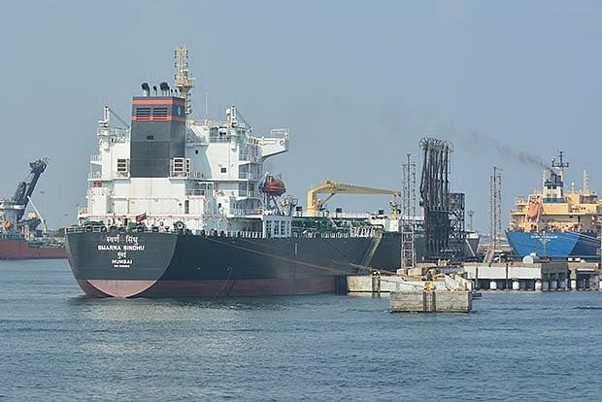
Capt. Anoop Govindan

Introduction
The 2026 US–Iran conflict has provided India with an unusually clear demonstration of a fundamental proposition: for a maritime trading nation, economic security ultimately depends upon the security of its sea lines of communication (SLOCs).
The Strait of Hormuz is not merely an energy chokepoint. It is a conduit through which crude oil, LNG, LPG, ammonia, sulphur and other industrial commodities reach global markets. Its disruption therefore creates effects far beyond the immediate geography of the Persian Gulf.
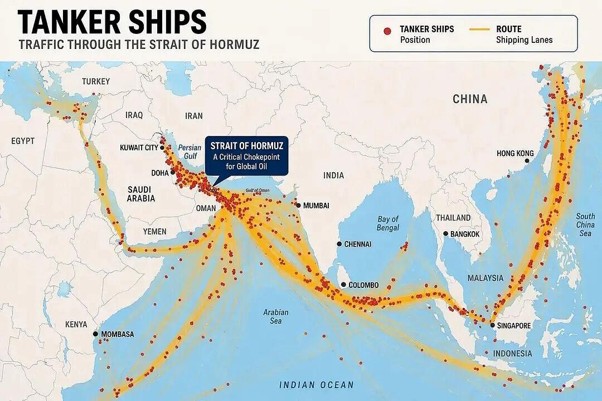
Approximately 20 million barrels of oil normally transit Hormuz every day, representing around one-quarter of global seaborne oil trade. The Strait is also critical to LNG: around 93% of Qatar’s LNG exports and 96% of the UAE’s LNG exports normally transit it. India, alongside China, is among the principal Asian beneficiaries of Gulf energy flows.
For India, the question is not simply whether an Indian tanker can cross Hormuz. The larger question is whether India can continue obtaining essential commodities at affordable prices when ships, insurance, freight and alternative routes are simultaneously under stress.
A Chokepoint Becomes an Economic Weapon
The maritime consequences have been significant. The International Maritime Organization (IMO) has established a dedicated database showing average daily Eastbound and Westbound vessel transits through Hormuz during the crisis.
The disruption has also demonstrated that maritime connectivity can deteriorate without a formal closure of a waterway. Ships may remain technically capable of transiting but become commercially unwilling to do so because of war-risk insurance, crew-safety concerns, freight premiums or the prospect of detention or attack.
The IMO reported that its emergency framework evacuated 136 vessels and approximately 2,900 seafarers from the Gulf during June.
By early September, the situation had again deteriorated following renewed US–Iran hostilities. Only a handful of commodity vessels were crossing Hormuz on some days, compared with roughly 125 commercial vessels per day before the conflict.
For India, this matters because the country’s vulnerability is not confined to cargo physically originating in Iran or the Gulf. A disruption in one major supply corridor also raises the global price of substitute supplies.
The First Shock: Oil, Gas and LPG. India imports roughly 85–90% of its crude-oil requirement. Yet the country entered the crisis with an important structural advantage: source diversification.
India now sources crude from around 40 countries, and the Government has said about 70% of crude imports were sourced through routes outside Hormuz, up from about 55% previously. This helped preserve physical availability. It could not, however, eliminate the price shock.
The Centre for Research on Energy and Clean Air estimated India’s gross additional fossil-fuel import cost at approximately US$22 billion between March and August 2026, with a net cost of approximately US$14.4 billion after accounting for additional export earnings. The estimated additional crude-oil cost alone was around US$20.5 billion.
The impact was even more acute in LPG. India imports a large share of its LPG requirement, and approximately 90% of LPG imports normally arrive through Hormuz. Government intervention increased domestic LPG production by about 28% within days, while procurement diversified to suppliers including the United States, Norway, Canada, Algeria, and Russia.
The first lesson is clear – Diversification protected India’s physical supply; it did not immunise India against the global price shock.
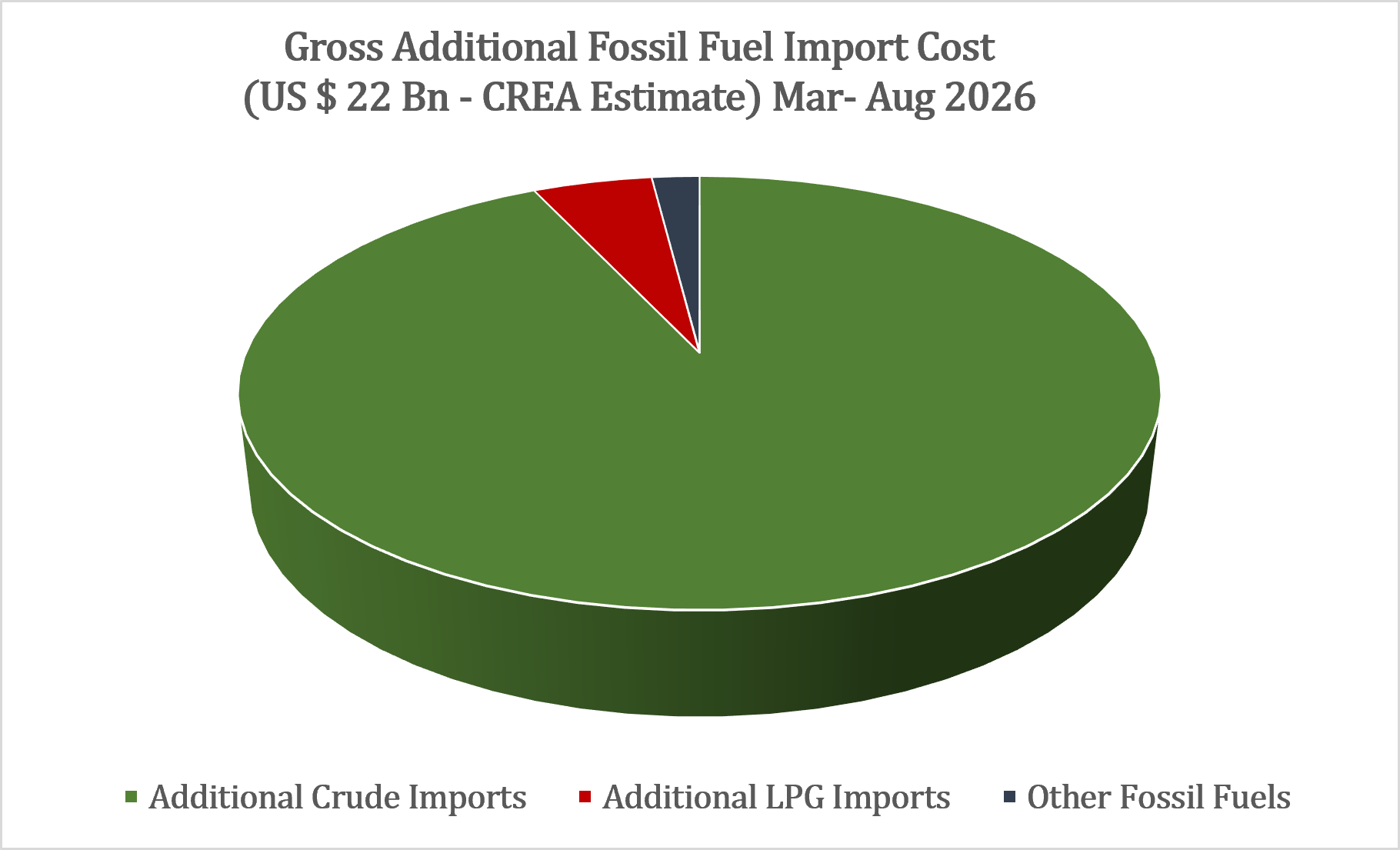
Figure 1 — India’s Fossil-Fuel Cost Shock
Gross additional fossil-fuel import cost, March–August 2026: US$22 billion
Source: CREA estimates.
The Less Visible Crisis – Fertilizer. If oil represented the most visible vulnerability, fertilizer revealed the deeper structural dependence of India’s economy. India’s fertilizer system depends upon both imported finished products and imported raw materials. The Government itself identified ammonia, phosphoric acid, sulphur and sulphuric acid among the inputs affected by the West Asia disruption. Potash also experienced higher landed costs because of global logistics disruption. This is significant because the chain is interconnected: Natural gas → ammonia → urea
And Phosphate rock + sulphur + ammonia → phosphoric acid/DAP/NPK
Consequently, an energy crisis can become a fertilizer crisis even if fertilizer ships themselves are still available. Fortunately, the government had built a substantial buffer before the conflict. In March, fertilizer reserves had already reached approximately 177 LMT, substantially strengthening India’s ability to absorb an interruption. By June, fertilizer stocks were around 197.56 LMT against a reassessed Kharif requirement of 383.9 LMT—more than 51% of seasonal requirement. This inventory proved to be one of India’s most important strategic shock absorbers.
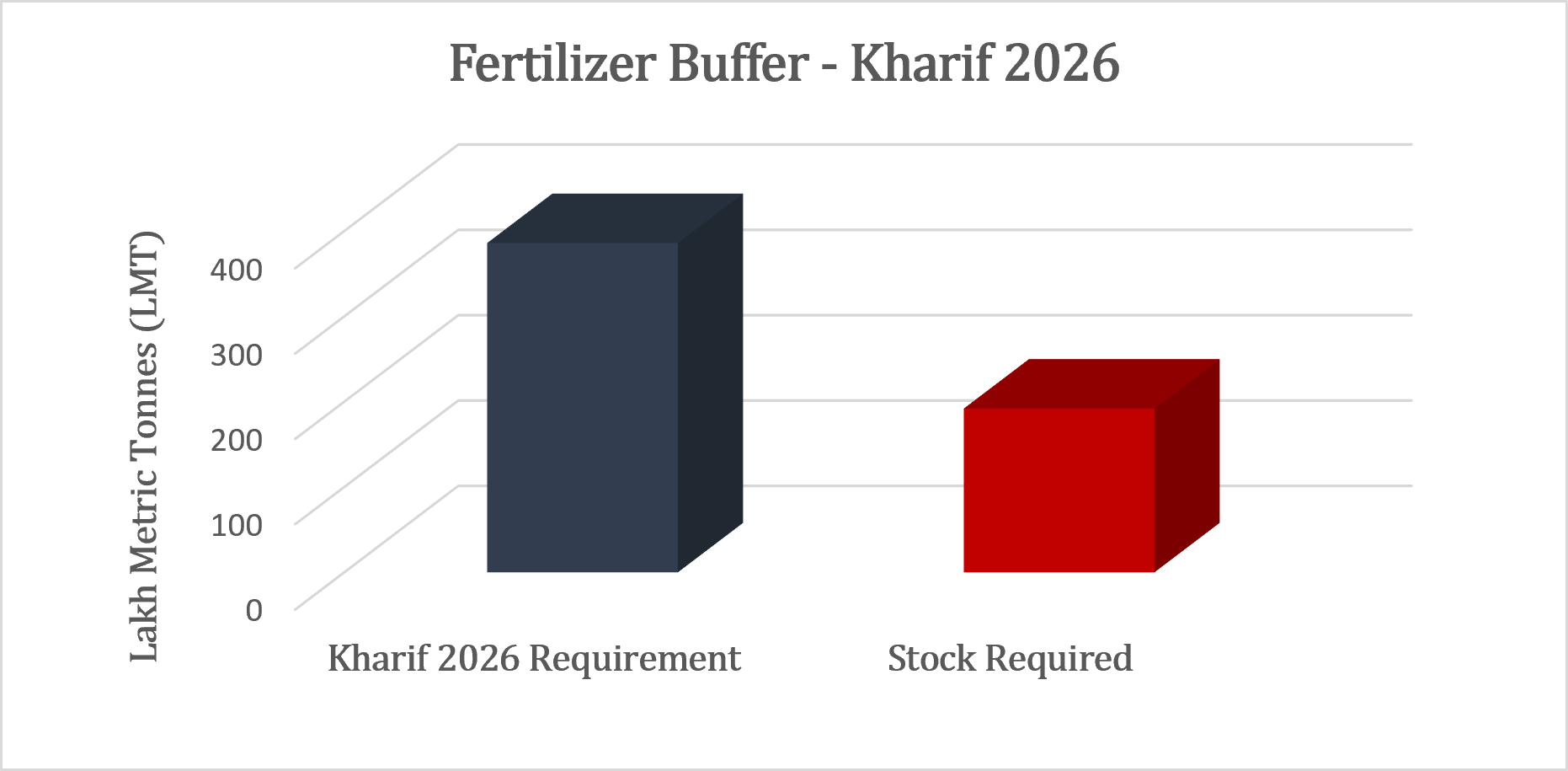
Figure 2 — India’s Fertilizer Buffer
Source: Department of Fertilizers, Government of India.
The significance is greater than the absolute number suggests. A strategic stockpile provides something extremely valuable during a crisis – time. Every additional day of inventory allows the Government to:
- find another supplier;
- charter another vessel;
- negotiate another cargo;
- reroute existing cargoes;
- arrange insurance; and
- prevent panic buying.
Urea, DAP, NPK and MOP: Different Vulnerabilities
Urea. Urea was exposed through both imported cargoes and the availability of natural gas for domestic production. The Government therefore combined domestic production with aggressive international procurement. Between the beginning of the crisis and early June, India added approximately 69.15 LMT of domestically produced urea and 18.35 LMT of imported urea that reached Indian ports.
DAP. DAP faced a more complicated vulnerability because India depends upon imported phosphate-related feedstocks and finished fertilizer. Supplies were diversified across Russia, Morocco, Egypt, the United States, Jordan, South Korea, Tunisia, Saudi Arabia and others.
NPK. Domestic NPK production provided another buffer, although imported raw materials remained a vulnerability.
MOP. India is heavily dependent on imports for potash. MOP was less directly exposed to Hormuz than Gulf-origin energy commodities, but its landed cost rose because of higher freight, insurance and logistical disruption.
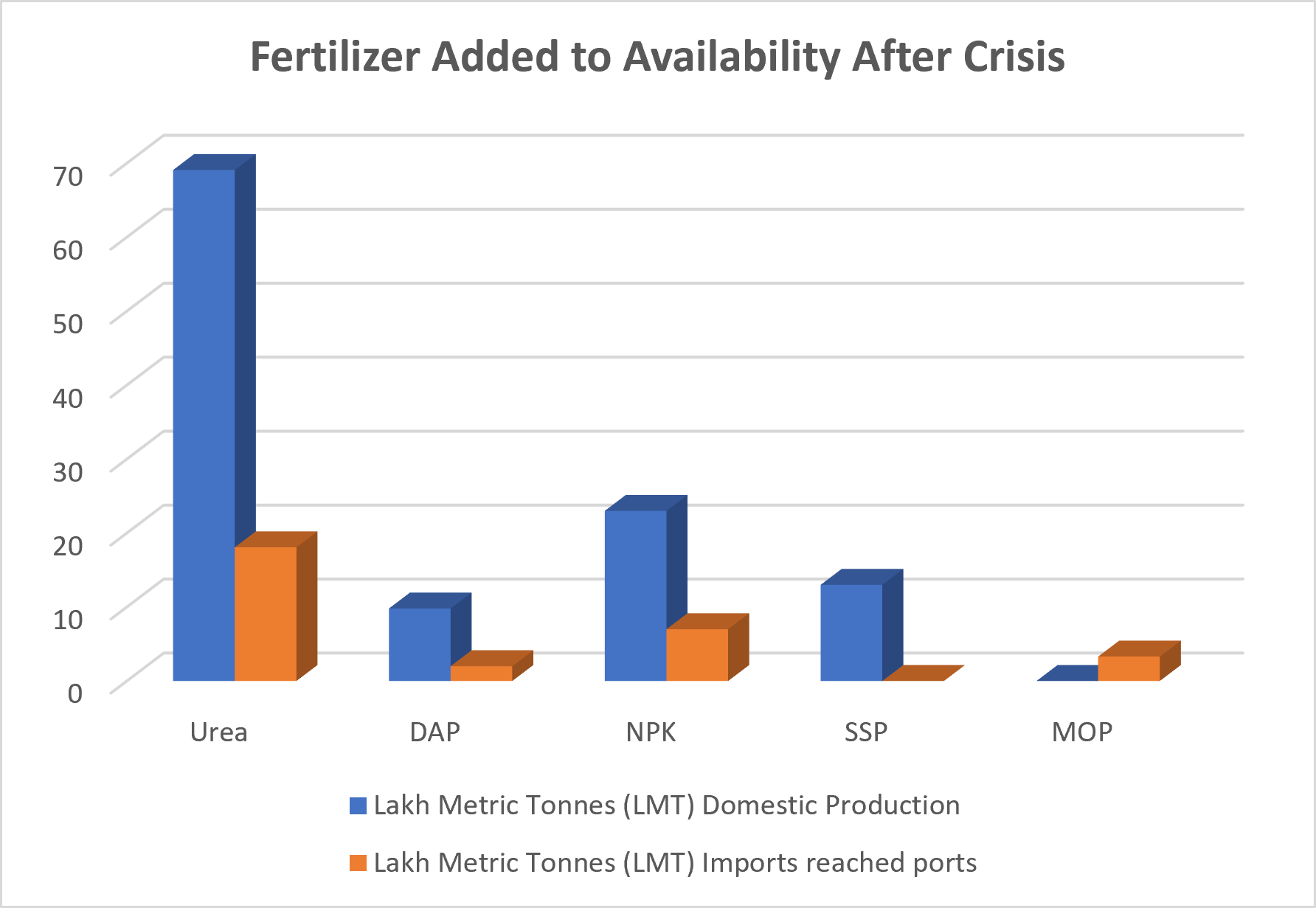
Figure 3 — Fertilizer Added to Indian Availability
Source: Department of Fertilizers, Government of India.
The graph illustrates an important feature of India’s response – the country did not rely on imports alone. India used domestic production and international procurement simultaneously. That distinction is crucial to understanding why the crisis did not become a nationwide fertilizer shortage.
The Strategic Commodity Nobody Talks About – Sulphur. Perhaps the most important strategic lesson of the crisis lies in an apparently ordinary commodity: sulphur. The Middle East accounts for approximately one-quarter of global sulphur production, while about half of global seaborne sulphur trade normally passes through Hormuz. Sulphur is indispensable for producing sulphuric acid, which is required not only for phosphate fertilizers but also for processing several critical minerals. This creates a remarkable chain:
Hormuz disruption
↓
Sulphur disruption
↓
Sulphuric acid constraint
↓
Fertilizer production + mineral processing
↓
Agricultural production + critical-mineral supply
The strategic implication is profound. A maritime crisis in the Persian Gulf can therefore affect food security and advanced technology supply chains at the same time. Sulphur is used indirectly in processing minerals associated with copper, lithium, cobalt, nickel, and rare earths. The Hormuz crisis therefore demonstrates that the distinction between energy security, food security and critical mineral security is becoming increasingly artificial.
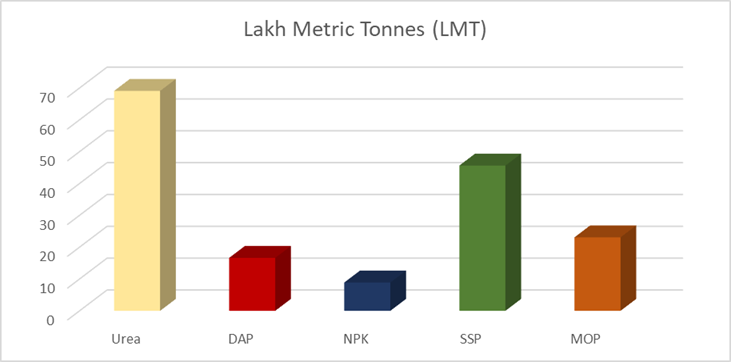
Figure 4 — Fertilizer Stocks by Category
Stocks as of 02 July 2026; Department of Fertilizers, Government of India.
The Government reported stocks of approximately 69.08 LMT urea, 16.64 LMT DAP, 8.90 LMT MOP, 45.64 LMT NPK and 23.09 LMT SSP on 02 July.
Shipping – The Missing Link in India’s Supply Security. Having fertilizer or crude available in the international market does not mean that India has the commodity. It must still be:
produced → purchased → insured → loaded → shipped → navigated → unloaded → transported inland.
Every stage can fail. And hence, the Government’s announcement of the Bharat Maritime Insurance Pool represents a strategically significant development. The scheme provides sovereign-backed insurance capacity to support Indian controlled shipping and cargo movements during periods of elevated geopolitical risk. The crisis has therefore expanded the meaning of maritime security. Traditionally, SLOC security meant ensuring that ships could physically move from one port to another. The 2026 experience suggests a broader definition:
A SLOC is secure only when cargo can move safely, commercially, legally and affordably.
From Crisis Management to Resilience. India’s response rested on five pillars.
1. Stockpiling. Large fertilizer inventories created time and prevented immediate shortages.
2. Diversification. India expanded crude, LNG, LPG, and fertilizer sourcing across multiple countries.
3. Domestic production. Refineries and fertilizer plants were pushed to maximise output.
4. Alternative shipping. Cargoes were increasingly routed around vulnerable chokepoints where commercially feasible.
5. Government intervention. The Government used diplomatic missions, global tenders, inter-ministerial coordination, insurance support and fiscal measures to maintain supplies.
The fertilizer response is particularly revealing. By June, the Government reported 114.2 LMT of post-crisis domestic fertilizer production and 33.2 LMT of imports reaching Indian ports across major fertilizer categories. Four fertilizer vessels carrying urea, DAP and sulphur successfully crossed Hormuz and proceeded towards Indian ports including Krishnapatnam, Kakinada, Paradip and Mundra. These were commercial vessels, but their cargoes had strategic significance. A fertilizer ship can therefore be as important to national resilience as an energy tanker.
The Cost of Resilience. India has largely avoided a physical energy or fertilizer crisis. But resilience has not been free. Higher crude prices have increased the import bill. Freight and insurance costs have risen. Alternative routes require longer voyages and more bunker fuel. Government intervention has transferred part of the external shock to public-sector balance sheets and the fiscal system. The central economic question is therefore not simply: “How much did the war cost India?”
It is: “How much did India spend to prevent a much larger disruption?”
The estimated net fossil fuel cost of approximately US$14.4 billion is therefore better understood as the price of absorbing an external maritime shock, rather than simply the cost of lost trade.
The Course to Steer. The crisis should now lead to a permanent national framework for Maritime Economic Security. First, strategic reserves should extend beyond crude oil to include critical fertilizer inputs such as urea, DAP, MOP, ammonia, phosphoric acid and sulphur.
Second, India should develop long-term supply agreements for phosphate rock, potash, ammonia and other critical feedstocks across geographically dispersed suppliers.
Third, domestic fertilizer policy should focus not merely on finished fertilizer capacity but on feedstock security.
Fourth, maritime insurance should be treated as strategic infrastructure, with the Bharat Maritime Insurance Pool developed into a permanent national capability.
Finally, India needs a real-time Maritime Supply Chain Early Warning System that integrates AIS, satellite imagery, port data, freight rates, insurance premiums, commodity prices, and geopolitical indicators.
Such a system could answer, weeks before a shortage appears:
Which commodity is at risk?
Where is it coming from?
Which vessels are carrying it?
Can they transit the route?
Are they insured?
How many days of inventory remain?
What is the nearest alternative supplier?
That’s the difference between reacting to a crisis and managing one.
Conclusion – From SLOC Security to Maritime Economic Security. The 2026 US–Iran conflict has demonstrated that India’s economic resilience can no longer be measured simply by the size of its foreign exchange reserves, petroleum stocks or fertilizer inventories. It must also be measured by the resilience of the maritime systems connecting those reserves to the Indian economy.
India avoided a major fertilizer shortage because it had stocks. It protected crude availability because it had diversified suppliers. It sustained LPG supplies because domestic production increased rapidly. It protected trade because the Government intervened in insurance and logistics. Yet the crisis also exposed the limits of these measures.
India remains dependent upon imported energy, imported fertilizer feedstocks and international shipping. The vulnerability is therefore systemic. The most important lesson may be the least obvious one: sulphur links the energy crisis to fertilizer security and critical mineral security. This means a conflict thousands of kilometres from India’s farms can ultimately influence food prices, industrial production, and the availability of materials required for India’s technology ambitions.
For India, therefore, the strategic objective should no longer be merely to ensure that ships can sail. It should be to ensure that essential commodities can continue to move—safely, affordably and predictably—even when the global maritime system is under stress. That is the emerging doctrine of Maritime Economic Security. The Strait of Hormuz has given India a timely warning: the next economic crisis may begin at sea.
Captain Anoop Govindan, an expert in communications and electronic warfare, has served on naval ships, at Command HQ, and at Naval HQ. A seasoned Naval Air Operations Officer, he is qualified on Dornier and TU-142M aircraft and is a certified UAV flying instructor. An avid reader and writer, he contributes extensively to defence-related topics, showcasing his expertise.