Bikram Vohra
Let me tell you something about air accident investigations. It is meticulous work. It is sober work. It is supposed to be honest work. Those who trawl the wreckage are called tin kickers and are totally committed to exposing the truth.
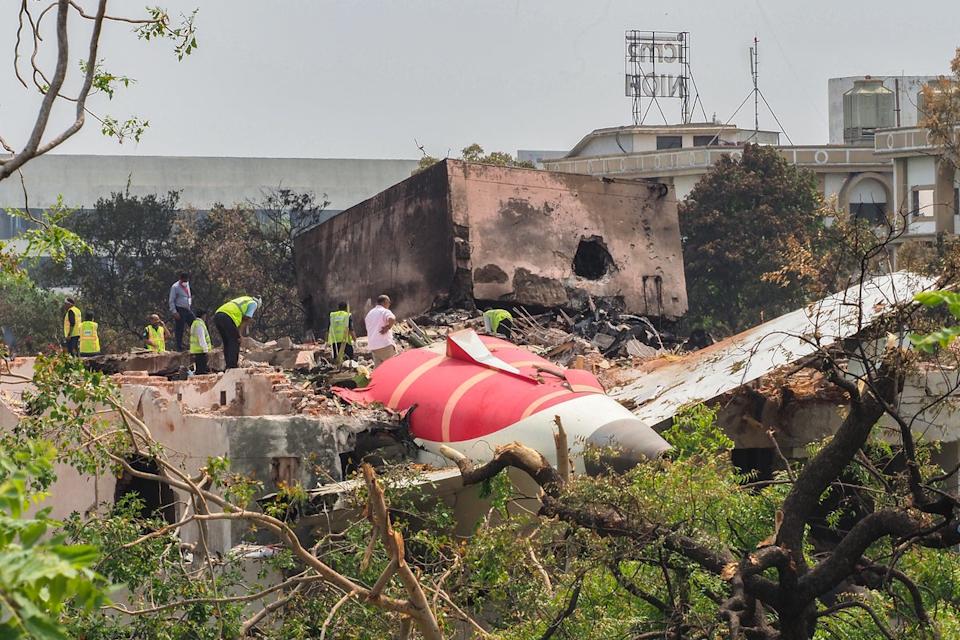
What is happening in the aftermath of the Air India 171 crash is none of those things. What is happening with Air India 171 is a circus masquerading as an inquiry and the truth has run away with the jesting Pilate.
The cockpit voice recorder has been “cleansed,” they say, by US laboratories. The flight data recorder has been analysed. The evidence exists. It is sitting in a file somewhere, probably with a little red ribbon tied around it, waiting for the politically opportune moment to emerge.
But it will not emerge as itself. It will emerge as a carefully curated version of itself, stripped of context, stripped of alternative theories, stripped of any suggestion that maybe, just maybe, the aircraft had issues. The Foundation for Aviation Safety has pointed to documented “electrical oddities” on the Boeing 787. Water leaks into wiring bays. Systems behaving badly. Questions that went unasked in the preliminary report because they did not fit the preferred narrative. A whole slew of complaints.
The aircraft VT-ANB had a pretty vivid history of issues. These included electrical fires, fumes, short circuits and smoke incidents. It was frequently grounded. The accusation is stark. Vital documentations were withheld from the ongoing probe. Ed Pierson, Executive Director of the Foundation of Air Safety, claims the relevant materials were deliberately squirreled away from the Air Accident Investigation Board. Echo answers why.
Within forty-eight hours of the crash, the global narrative had been set. Pilot error. Maybe pilot suicide. Certainly, pilot something. The comment sections lit up. The talking heads on television nodded sagely. The aircraft manufacturer breathed a collective sigh of relief so deep you could hear it in Seattle. Boeing was off the hook. The airline could wring its hands and express shock and sadness.
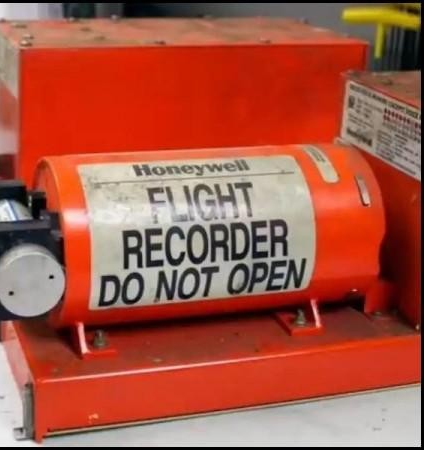
There was just one problem. The black boxes told a more complicated story. One recorder was found damaged on the rooftop of a building near the crash site on June 13, and the other was recovered from the wreckage on June 16. While one was too damaged for data extraction, information from the other revealed that one engine had briefly regained power automatically seconds after take-off—triggering a dual engine failure scenario—before stalling again despite desperate restart attempts. Investigators had also ruled out bird strikes and external damage.
Now, enter Mark D Martin, aviation safety consultant and founder of Martin Consulting, who looked at this report and essentially asked: Have you people lost your minds? Speaking to ANI, Martin slammed the AAIB report for what he called a deliberate attempt to “put the blame deliberately on the pilots and exonerate the OEM (Original Equipment Manufacturer)”.
Martin also pointed out something that had escaped the usual gatekeepers. The report was released at 2 a.m. Indian time. “It is close to business hours for the UK. But you’re releasing it at 2 a.m. for the American audience. That does not make sense at all,” he observed—a fair point. When you release damaging findings about your own pilots in the middle of the night, timed for overseas consumption, you are not conducting an investigation. You are managing a narrative.
The Airline Pilots’ Association of India (ALPA-India) was not amused. On July 12, they raised serious concerns over the transparency and direction of the investigation, objecting to the report being shared with the media without official attribution. They called it a breach of protocol that undermines public trust.
Meanwhile, the AAIB was busy ruling out any defect in the fuel control switch, even as The Tribune noted that the US Federal Aviation Administration had issued a cautionary bulletin regarding the same component seven years ago. Seven years. A known issue. A bulletin. And yet, in the preliminary report, not a whisper.
Then came February 2026. An Italian newspaper, Corriere della Sera, reported that the final probe would almost certainly conclude that the captain, one Captain Sumeet Sabharwal, had intentionally shut off the fuel. The AAIB response was swift. It was categorical. It was, if you will forgive my scepticism, a little too indignant.
“Incorrect,” they said. “Speculative,” they thundered. The inquiry was “still in progress.” No conclusions had been reached.
But here is the thing about denials: they only work if you have not already spent six months feeding the exact opposite narrative to the press. You cannot have it both ways. You cannot whisper “pilot did it” to every journalist with a working phone and then scream “no conclusions yet” when someone actually writes it down.
The Corriere della Sera report, citing sources in Western aviation agencies—sources who presumably have no skin in this game, unlike, say, the Indian government or the Indian airline or the Indian manufacturer’s reputation—suggested that while the technical evidence points toward Captain Sabharwal, the final document “could adopt a more cautious version to avoid strong national controversies.”
Let me translate that for you. What they are saying is: we know what happened, but we are not sure you can handle it. What they are saying is: the truth is inconvenient, so we are going to sandpaper the edges until it fits neatly into the pre-approved narrative.
The same report alleges that Western nations threatened to “re-evaluate the security level of all Indian airlines” unless the investigation acknowledged a human role in the tragedy. One source, presumably with a conscience still intact, noted that admitting pilot involvement was viewed as a “sustainable sacrifice” to protect India’s aviation and tourism interests.
Sustainable sacrifice. What a phrase
Meanwhile, the Solicitor General of India informed the court in February that the probe was at its “fag end” and would be completed in three weeks. We are now waltzing into April, and no joy is indicated. The AAIB, at the same moment, insisted that no conclusions had been reached.
Captain Amit Singh of the Safety Matters Foundation has further suggested that an “electrical disturbance” or a FADEC system malfunction could have triggered the fuel shutdown. These are not conspiracy theories. These are legitimate technical possibilities raised by legitimate technical experts. But they are not being investigated with the same vigour as the pilot theory. They are not being leaked to the press. They are not making the evening news.
Why? Because they shift the spotlight from a dead captain to a living manufacturer.
Bikram Vohra is the Consulting Editor of Indian Aerospace & Defence.