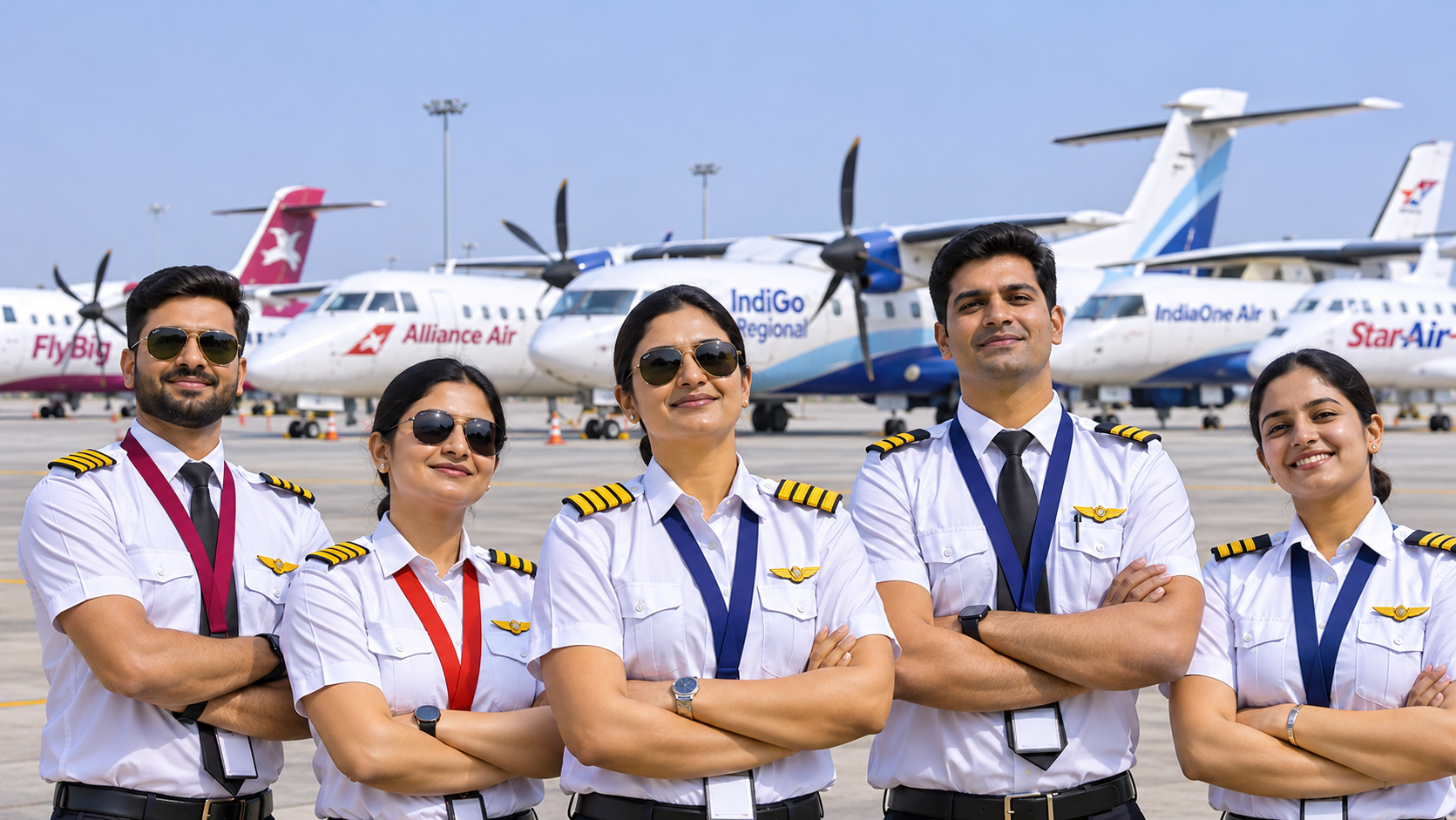
Building a Sustainable Skilled Workforce Beyond the Stepping-Stone Syndrome
Wg Cdr Prem Kumar Garg (r)

India’s aviation sector is growing rapidly, and regional connectivity is a vital part of that momentum. Initiatives such as UDAN have helped bring air services to smaller cities and underserved destinations, creating exciting opportunities for regional airlines. But sustainable growth depends on more than aircraft, infrastructure and funding. It also requires a steady supply of skilled professionals and a stronger approach to keeping them.
For regional airlines such as IndiaOne Air, people are central to safe, reliable operations. Pilots, Aircraft Maintenance Engineers, aviation security screeners, engineers and operations controllers all play essential roles in maintaining continuity, meeting regulatory requirements and protecting passengers.
The challenge is that regional airlines often invest in developing young talent, only to see experienced professionals move on to larger carriers. These operators provide valuable hands-on experience and help employees build the credentials needed to advance their careers. When those employees leave, airlines must restart the recruitment and training process. This recurring cycle has become known as the “Regional Airline Stepping-Stone Syndrome.”
Addressing it calls for collaboration across the aviation ecosystem. Airlines, training institutions, regulators and government bodies can work together to create clearer career pathways, expand practical training and support professional development. Regional operators can also strengthen retention through mentoring, recognition, competitive working conditions and opportunities to progress into leadership or specialist roles.
Experience gained at a regional airline should be seen not simply as a launchpad to another job, but as the foundation for a rewarding long-term career. By investing collectively in manpower development, experience-building and talent retention, India can help regional airlines grow stronger and ensure that the benefits of aviation expansion reach communities across the country.
Regional Airlines: The Training Ground for Mainline Aviation
Regional airlines are often the first meaningful workplace for aviation professionals beginning their careers, offering more than an entry point: they provide the practical experience, responsibility, and confidence that turn classroom learning into real-world capability. A young pilot may start with a regional operator or flight training organisation as an assistant flight instructor or flight instructor, building valuable flying hours, learning to manage operational challenges, and gaining opportunities to develop command skills. An aircraft maintenance engineer gains hands-on experience in inspections, troubleshooting, repairs, and continuing airworthiness management. At the same time, an aviation security screener develops practical expertise in airport security procedures, regulatory compliance, and passenger screening. These roles are essential to developing a skilled, capable, and safety-conscious aviation workforce.
Yet the career path for many of these professionals follows a familiar pattern. They join a regional airline early in their careers, accumulate the experience and competencies required by larger operators, and then move to a mainline airline that may offer higher remuneration, stronger benefits, clearer advancement opportunities, or greater perceived job security. The regional airline then recruits and trains another relatively inexperienced professional, restarting the cycle. As a result, regional operators can find themselves continually investing in recruitment, training, familiarisation, and competency development without retaining the benefits of that investment for long enough to build a stable, experienced workforce.
This challenge is not that aviation professionals want to advance; ambition and career mobility are natural, positive parts of a healthy industry. The real concern is that regional airlines can become perpetual feeders for larger operators, rather than sustainable workplaces where people can build rewarding, long-term careers. Building a stronger aviation workforce ecosystem means supporting professional growth while making regional careers more attractive and sustainable through meaningful progression, fair compensation, recognition, and development opportunities. When regional airlines can retain and advance skilled people—not merely train them for their next employer- the entire aviation sector benefits from greater continuity, stronger operational capability, and a deeper pool of experienced professionals.
The Economic and Operational Cost of Attrition
The departure of an experienced aviation professional is far more than an HR matter; it can have immediate and lasting operational and financial consequences. For a small regional airline with a limited fleet, losing even one experienced pilot or Aircraft Maintenance Engineer (AME) can create a disproportionately large disruption. Unlike major airlines, which can draw on substantial staffing pools and layers of operational redundancy, regional operators often have little room to absorb a sudden vacancy. A single departure may leave an aircraft grounded, reduce fleet utilisation, increase overtime for remaining staff, drive up recruitment and training costs, or even disrupt scheduled services. These pressures can quickly affect revenue, efficiency, and the passenger experience. In aviation, where reliability is essential to passenger confidence, maintaining a stable, experienced workforce is not simply good personnel management; it is vital to safe, dependable operations and long-term business sustainability.
Can Better Entry-Level Experience for Mainline Airlines Become the Solution?
One promising way to strengthen the aviation talent pipeline is to review the experience and competency requirements for entry-level recruitment at mainline airlines. Regional airlines already play a vital role in helping young professionals build the practical skills that larger carriers need. Rather than viewing regional aviation simply as a destination for less-experienced workers, the industry can recognise it as an essential part of the national aviation talent-development ecosystem.
Mainline airlines could establish structured recruitment pathways for candidates with around three to four years of meaningful operational experience at regional carriers. These pathways could recognise pilots’ flying and command experience, aircraft maintenance engineers’ practical skills and aircraft-type exposure, security screeners’ certifications and demonstrated proficiency, and operations professionals’ experience in dispatch, flight following, ground operations and safety management.
A clear progression route would benefit the entire sector. Regional airlines would gain a reasonable period of workforce stability, while mainline carriers would have access to candidates with valuable hands-on experience. By aligning recruitment with demonstrated competence, the industry can improve the quality of entry-level hiring and create a more sustainable, rewarding career journey for aviation professionals.
The Missing Link: A Critical Mass of Regional Airlines
The proposition, however, depends on one crucial condition: India must build a sizeable and sustainable regional aviation ecosystem. If regional aviation remains small, with only a handful of operators and limited aircraft, it will not be able to absorb, train and productively employ the growing number of aviation professionals entering the industry. A critical mass of regional operators could change that, creating a vibrant career pathway where people gain valuable experience, move between operators and eventually progress to larger airlines. Just as importantly, a stronger regional sector would broaden employment opportunities and reduce the industry’s reliance on a small number of major aviation employers.
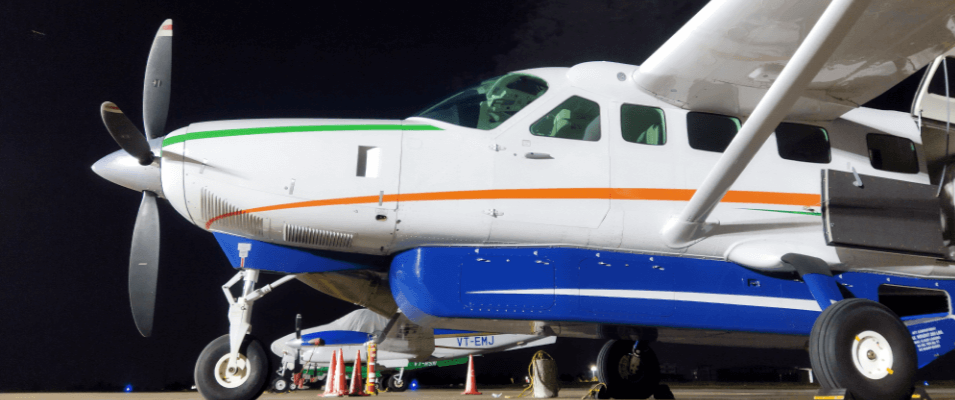
What Can Be Done? A Collaborative Industry Framework
The solution to the regional aviation workforce challenge cannot rest entirely on regional airlines; it requires a coordinated, industry-wide commitment from the Ministry of Civil Aviation, the DGCA, BCAS, training organisations, mainline airlines, and regional operators. A practical first step would be to establish a Regional Aviation Manpower Development Framework that recognises regional airlines not merely as service providers, but as vital contributors to India’s aviation workforce and talent pipeline. Within this framework, mainline airlines could create structured career-progression partnerships with regional operators, offering periodic assessments and transparent recruitment opportunities for experienced professionals. The valuable skills and operational experience gained in regional aviation should receive appropriate recognition during recruitment and competency assessments, subject to all applicable regulatory requirements. Industry stakeholders could also support training and skill development through targeted programmes, scholarships, type-rating assistance and technical initiatives that help professionals build careers in regional aviation.
At the same time, regional airlines must take a close look at how they retain talent: competitive compensation, meaningful command opportunities, clear career progression, leadership responsibilities, a healthy work–life balance and a professional working environment are all essential. Loyalty cannot simply be expected from professionals when an organisation cannot offer them a credible path forward; retention must be earned through opportunity, respect and investment in people. Finally, industry-level manpower planning must keep pace with anticipated fleet expansion, aircraft deliveries, regional route development and the future staffing needs of both regional and mainline airlines. With shared responsibility, thoughtful planning and genuine partnership, regional aviation can become not only a powerful driver of connectivity, but also a respected and rewarding foundation for aviation careers.
Regional Airlines Must Become Career Destinations, Not Just Career Launchpads
A structured three- to four-year experience pathway can be a valuable starting point. Still, the bigger ambition should be to make regional airlines compelling career destinations in their own right. Professionals should be able to picture a future with one airline: pilots progressing into command, training and leadership roles; aircraft maintenance engineers moving into engineering management, quality assurance, continuing airworthiness and technical leadership; and security and operations staff taking on greater responsibility over time.
Regional aviation offers distinct advantages. Employees can gain broad operational experience, work more closely with management, take on meaningful responsibility earlier and see the direct impact of their contribution as an airline grows. The opportunity now is to turn those strengths into tangible career benefits—clear progression, meaningful development and roles that reward experience. When regional airlines provide that kind of long-term opportunity, they can attract not only early-career talent, but dedicated professionals ready to build their futures in regional aviation.
A Policy Perspective: Growth of Regional Aviation and Growth of Aviation Manpower Must Go Together
India’s ambition to become one of the world’s largest aviation markets is an exciting opportunity, but aircraft and airports alone cannot get us there. The country must invest just as boldly in the people who keep aviation safe, efficient and innovative, from pilots and engineers to air traffic controllers and ground staff. The expansion of regional aviation through UDAN, along with the proposed Modified UDAN framework, offers a powerful way to build this talent pipeline. By linking regional aviation support not only to route viability and airport infrastructure but also to skills training and job creation, the government can help communities connect to new opportunities while strengthening the entire aviation ecosystem. This is a chance to make every new route and airport an investment in India’s skilled workforce and long-term growth.
Conclusion: From a Stepping-Stone Industry to a Sustainable Aviation Ecosystem
The movement of skilled manpower from regional airlines to larger carriers is unlikely to disappear, nor should it necessarily be discouraged. It is a natural outcome of professional ambition and industry growth.
However, the present arrangement is not sustainable if regional airlines continually bear the cost of developing manpower while larger operators predominantly benefit from the resulting experience.
Ultimately, India’s aviation growth will not be determined by how many aircraft it can induct, but also by how effectively it can attract, develop and retain the skilled professionals required to operate them safely and sustainably.
Wing Commander Prem Kumar Garg (r) is a distinguished aviation leader and C-suite executive with over 26 years of experience across military and commercial aviation, flight safety, and strategic leadership. As CEO & Accountable Manager of IndiaOne Air, he advances regional connectivity in support of the Government’s UDAN initiative, while drawing on a rare combination of operational expertise and business acumen developed at NDA, DSSC and IIM Visakhapatnam. A former combat pilot, qualified flight instructor, Joint Director in Flight Safety and DGCA‑approved Examiner, he has strengthened operational capability, safety culture and regulatory compliance throughout his career.