
By Ameya Joshi

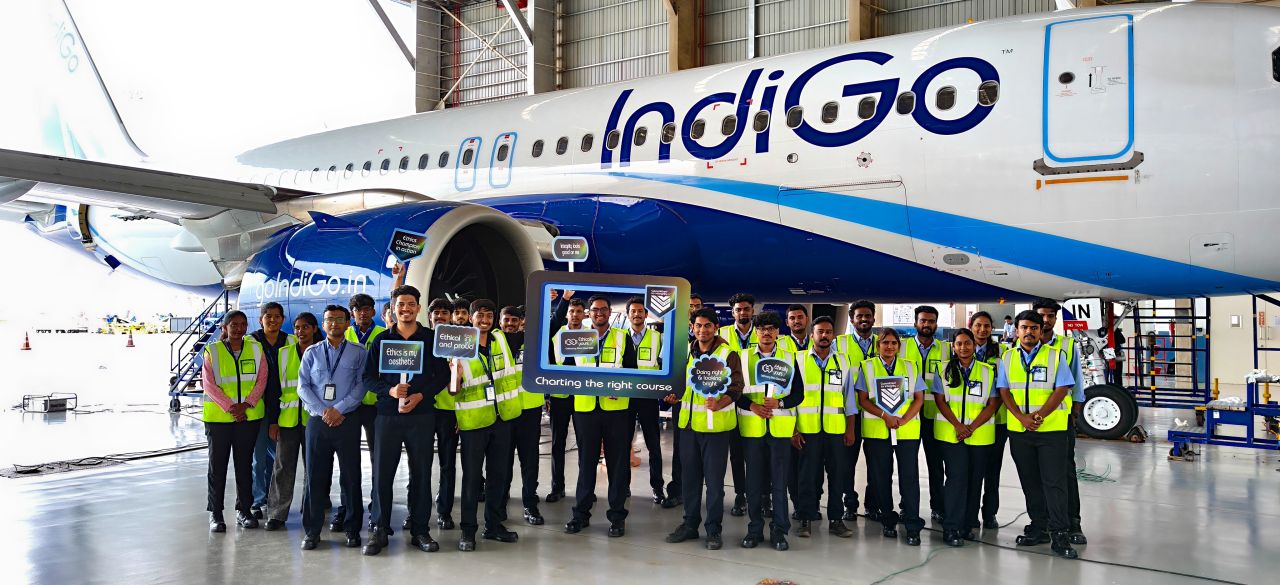
As IndiGo, India’s largest carrier, went into an operational meltdown in early December, the focus shifted to pilots, ground staff, and just about everyone on the human side. After years of large orders, follow-on orders, and orderbooks, it is time to focus on building Human Capital in Indian aviation as the focus shifts to execution from large-order headlines.
Human capital forms the backbone of India’s rapidly expanding aviation sector, where skilled pilots, engineers, cabin crew, and ground staff drive safety, efficiency, and growth. Effective human resource management is crucial to addressing talent shortages and supporting the industry’s ambition to become the world’s third-largest market, a transfer hub, and a growth magnet.
Aviation Sector Growth
India’s aviation industry has surged, with passenger traffic recovering to pre-pandemic levels and projections indicating it will exceed 500 million passengers by 2030. Airlines like IndiGo and Air India are ordering over 1,700 aircraft, fuelling demand for 25,000-30,000 additional pilots alone. This expansion, backed by new airports and regional connectivity schemes, positions India as a global aviation powerhouse but strains workforce capacity.
Airport infrastructure growth increases the need for ground staff, security personnel, and operations coordinators. Cargo and MRO segments are also booming, requiring licensed maintenance engineers and technicians skilled in new-generation aircraft. Yet, rapid fleet induction outpaces talent pipelines, leading to operational disruptions like delays.
Human Capital Shortages
India faces acute shortages across roles, needing 1.5-2 lakh professionals by 2035, including pilots, cabin crew, engineers, and air traffic controllers. Pilot demand is projected at 22,400 by 2030, with a shortfall of 10,900 from the current 12,000. Hiring for pilots rose from 11% in 2024 to 18% in 2025, expected to hit 21% in 2026, while cabin crew and ground staff recruitment jumped 15-30%. While cabin crew are faster to train, pilots and AMEs have a longer lead time.
Attrition exacerbates issues, as foreign airlines poach talent and domestic carriers struggle with long training cycles. MROs face structural gaps due to stringent certification requirements and the overseas absorption of experts. Ground-level roles experience high early drop-offs from candidates who lack operational readiness.
Recent IndiGo incidents highlight HR vulnerabilities, with crew shortages spilling over into national economic risks. Without pilots, even ₹500 crore aircraft become inert, underscoring equal value between hardware and human expertise.
Importance of Human Capital in Aviation
Human resources ensures safety, the industry’s paramount priority, by training personnel to minimize errors and comply with regulations. High-quality training boosts efficiency, cuts insurance costs, accident recovery expenses, and enhances reliability. In aviation, where technology relies on human operation, HR manages critical risks beyond routine functions.
HR bridges industry-academia gaps, aligning skills with needs like operational discipline and digital familiarity. Investments in personnel yield economic gains, job creation, and support for the supply chain.
Key Roles & Skills
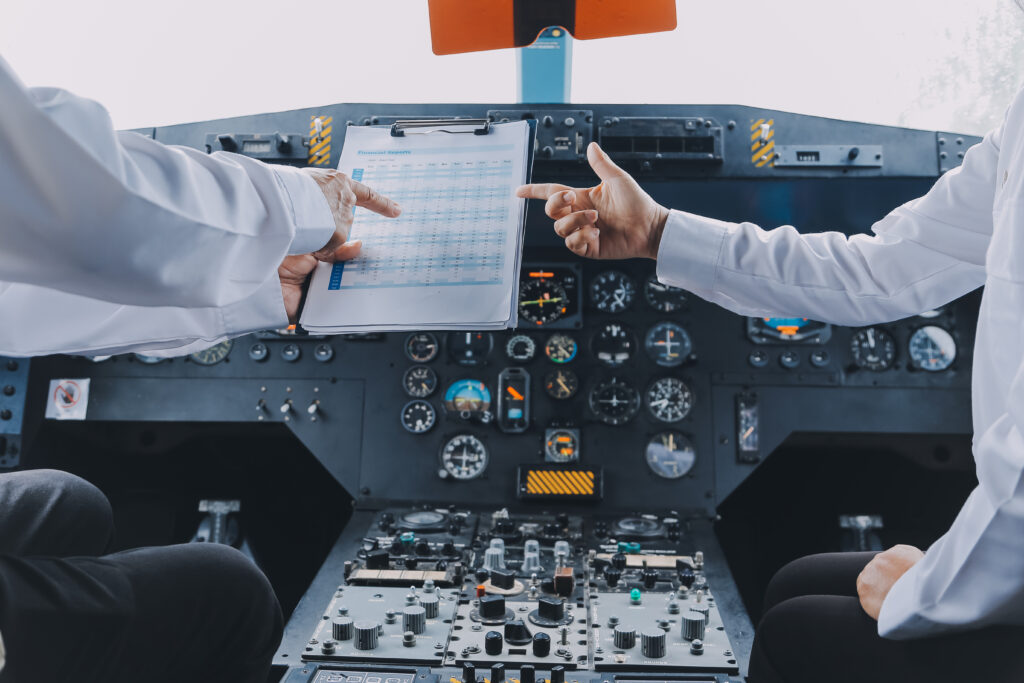
Pilots require Commercial Pilot Licenses (CPL), type ratings, and mental fitness; each aircraft needs 10-15 hours to maintain schedules. Cabin crew demand customer service, safety training, and crisis handling. Engineers and MRO technicians need certifications for advanced fleets. This year, Air India will operationalise its Flight Training Organisation at Amravati, a first-of-its-kind for an Indian carrier.
Ground staff must master multi-skilling for passenger handling, security, and cargo. Soft skills such as communication, stress management, and safety culture are universal. Future roles emphasize data analytics for operations control. Aerospace and Aviation Sector Skill Council (AASSC), under Skill India, develops standards for 72 roles across airlines, airports, and MROs, and provides training through 2-4 month programs. Air India’s Cadet Pilot Programme at Amravati Academy and US partners provides CPL and type ratings. Challenges persist in limited infrastructure and misalignment with industry needs. Scaling ecosystems is urgent for 1,700 aircraft orders.
Retention & growth
Foreign shores have always been very lucrative for Indians to work on. It is often seen that foreign carriers in the region are powered by Indians, in key roles in planning, execution, and flying. While Indian carriers cannot change the government-level tax policy, a work environment that matches or exceeds that of competing airlines will be the first step towards stopping attrition, before seeking a reversal.
As the industry grows at breakneck speed, the challenge to retain talent is equally high as recruiting and training new candidates for the required roles. High attrition to global carriers, regulatory delays, and training bottlenecks hinder growth. Night operations strain rosters; early drop-offs raise costs. Economic pressures demand agile HR.
Future Outlook
By 2030, demand for pilots will double; holistic skilling is key. Smarter recruitment via pipelines, assessments, and partnerships will prevail. Investments in education enhance safety, efficiency, and GDP contributions. The use of Artificial Intelligence and modern technologies will help in recruitment and retention.
Government and industry must align on “Skill India” for sustainability. With 30% hiring surges, proactive HR will turn shortages into strengths.
Ameya Joshi is an aviation analyst and columnist who runs the analysis website Network Thoughts.

