
Bikram Vohra

What a mess it was, what an addlepated mess and it can happen again by default when the deadline expires in March 2026.
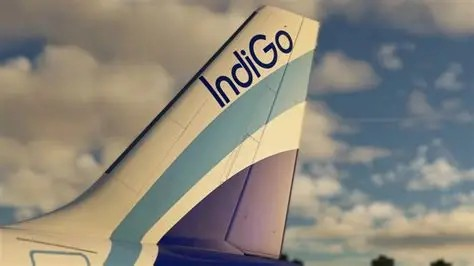
IndiGo’s recent operational collapse, which led to the cancellation of at least 4,500 flights and left hundreds of thousands of passengers stranded, was not a sudden accident but the direct result of a series of profound managerial failures. The crisis represents a clear case of corporate negligence, where a market leader prioritized aggressive expansion and cost-cutting over basic compliance and resilience. Not just that, but it callously refuses to read the writing on the wall. There’s no way that Top management did not know that the crisis was brewing and that hell would let loose. Nobody running an airline can be that naïve. But was it only arrogance or something more?

The root cause was IndiGo’s catastrophic failure to prepare for the new Flight Duty Time Limitation (FDTL) rules, which were designed to combat pilot fatigue and enhance safety. Despite a nearly two-year preparatory window, the airline failed to adjust its crew rostering system or hire sufficient pilots to comply with norms that capped night landings and mandated more extended rest periods. This was not an industry-wide issue; other major airlines, such as Air India and Akasa Air, had adapted without significant disruptions.
The consequences of this failure were both immediate and severe. At its peak on December 5th, the airline cancelled roughly 1,600 flights in a single day. Its on-time performance, once a hallmark, plummeted to as low as 8.5%, causing nationwide travel chaos during the peak winter wedding season.
Between 2022 and 2024, IndiGo expanded its fleet by 91 aircraft while hiring only 1,247 pilots, a recruitment rate markedly leaner than that of its competitors and one that has produced a structural shortfall in cockpit manpower; compounding concerns, the carrier imposed a pilot pay freeze and entered into “non‑poaching” understandings with rival airlines, practices that industry experts and pilot unions have characterized as cartel‑like behaviour and short‑sighted planning, potentially undermining safety margins, labour market fluidity, and the airline’s long‑term operational resilience.
It’s exciting to see an airline ambitiously chase international growth, but that same zeal apparently distracted management from the nitty-gritty of core operations like crew scheduling, with predictable consequences; when the new FDTL rules arrived the carrier couldn’t make timely roster adjustments—a basic operational need—and so the DGCA’s winter schedule, approved on the assumption of 403 available aircraft, collided with reality as more than 40 planes were grounded by Pratt & Whitney engine issues, leaving IndiGo with only 344 serviceable jets and an unrealistically aggressive schedule it simply couldn’t hope to crew properly.
A minor technological glitch, adverse weather, and airport congestion, combined with a crew shortage, created a “perfect storm” that caused a cascading failure across its entire network.
Ultimately, IndiGo’s crisis is a stark lesson in what happens when a dominant player believes it is too big to fail. It exposed how a culture of lean operations and market expansion, when untethered from robust operational planning and regulatory compliance, can lead to a swift and spectacular collapse in public trust.
In the complex arena where international diplomacy intersects with economic policy, nations often face difficult choices between principle and pragmatism. However, when such decisions appear inconsistent, they raise legitimate questions about the coherence of national strategy. India’s recent aviation-sector decisions regarding Turkish entities present precisely such a conundrum: the swift, uncompromising expulsion of Turkish ground handler Celebi on national-security grounds, juxtaposed with the repeated, extended permissions granted to IndiGo to operate Turkish wet-leased aircraft. It just does not jell. This disparity warrants scrutiny, revealing a troubling double standard that may subordinate unwavering security principles to commercial convenience.
The Indian government was right to take a stern view of Turkey’s alignment with Pakistan. The use of Turkish drones against Indian cities during Operation Sindoor created a serious security context. However, a principled foreign policy response must be coherent. The simultaneous existence of a harsh ban on one Turkish aviation entity and permissive extensions for another sends a confused signal—to Turkey, to the global aviation community, and to the Indian public.
A few band aids have been applied to the gaping wound in the airline’s credibility.
- The Directorate General of Civil Aviation (DGCA) issued a show-cause notice to CEO Pieter Elbers, citing “significant lapses in planning, oversight and resource management”.
- The government ordered IndiGo to cut its flight schedule by 10% and complete all pending refunds, estimated at nearly ₹5 billion (US$59 million).
The crisis triggered a massive loss of trust and a 15% drop in market value, with experts warning of “irreparable damage” to its brand as the reliable, no-frills carrier.

In a letter to staff, CEO Pieter Elbers admitted the airline “could not live up to the promise” and acknowledged “misjudgement and planning gaps”. This admission, however, offers little solace to the passengers who missed weddings, funerals, and vital exams due to an entirely preventable disaster.
This is all cotton wool and folderal and designed to distract rather than resolve. None of the senior personnel has been penalized, and the sacrifices being made are primarily cosmetic.
Ultimately, IndiGo’s crisis is a stark lesson in what happens when a dominant player believes it is too big to fail. It exposed how a culture of lean operations and market expansion, when untethered from robust operational planning and regulatory compliance, can lead to a swift and spectacular collapse in public trust.
There is also another aspect that is being brushed under the carpet.
In the complex arena where international diplomacy intersects with economic policy, nations often face difficult choices between principle and pragmatism. However, when such decisions appear inconsistent, they raise legitimate questions about the coherence of national strategy. India’s recent aviation-sector decisions regarding Turkish entities present precisely such a conundrum: the swift, uncompromising expulsion of Turkish ground handler Celebi on national-security grounds, juxtaposed with the repeated, extended permissions granted to IndiGo to operate Turkish wet-leased aircraft. It just does not jell. This disparity warrants scrutiny, revealing a troubling double standard that may subordinate unwavering security principles to commercial convenience. If it is a question of security, surely a pilot at the controls of an aircraft is a greater threat than a baggage handler.
The Indian government was right to take a stern view of Turkey’s alignment with Pakistan. The use of Turkish drones against Indian cities during Operation Sindoor created a serious security context. However, a principled foreign policy response must be coherent. The simultaneous existence of a harsh ban on one Turkish aviation entity and permissive extensions for another sends a confusing signal—to Turkey, to the global aviation community, and to the Indian public: what is going on?
It suggests that national security, while “non-negotiable” in rhetoric, can be negotiated in practice through corporate lobbying and logistical constraints. As the March 2026 deadline for IndiGo’s Turkish fleet approaches, the government must align its actions with its stated principles. True sovereignty lies not only in taking a firm stand but also in applying it consistently. Otherwise, the message to adversaries and citizens alike becomes one of selective vigilance, where the definition of a “threat” is frustratingly flexible.
By the March deadline, the concession in time terms is unlikely to yield a satisfactory outcome. You cannot produce a 35% increase in trained crew to absorb the slack in flight and duty time, increasing from 36 hours to 48 hours. What you will get is a massive reduction in safety parameters.
The action against Celebi was a textbook example of geopolitical retaliation, executed with surgical precision. Celebi’s security clearance was revoked “with immediate effect in the interest of national security.” There was no phase-out period, no room for appeal; it was an abrupt severance.
Today, IndiGo’s fleet includes Turkish Airlines’ Boeing 777s and Corendon Airlines’ 737s, all flown by Turkish pilots on Indian domestic and international routes. This is the very core of the contradiction: if Turkish personnel on the tarmac pose a security risk, why do Turkish personnel in the cockpit—with ultimate command over an aircraft—not trigger the same alarm?
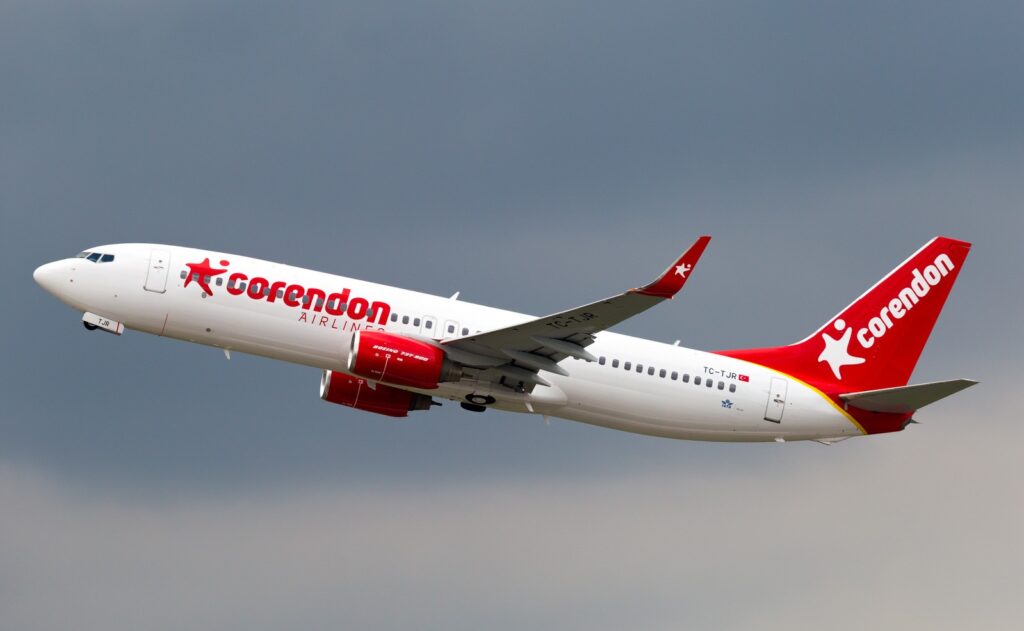
The government’s rationale has been pragmatic rather than principled. Regulators have cited the need to prevent mass flight cancellations and to protect passenger interests, granting successive extensions.
This past year, India made two decisive moves regarding Turkish aviation entities, but the signals they sent are deeply contradictory.
Bikram Vohra is the Consulting Editor of Indian Aerospace & Defence.


