
Bikram Vohra

Success can be its own failure. It blindsides you to the buildup of consequences. The first glitches are reduced to minor issues and often ignored. After all, we are Indigo on the Go. Nobody can touch us. Then the domino principle kicks in, and the problems escalate and take on a life of their own. The little issues are now major impediments and feed off each other. The airline screeches to a sad and sorry halt as management wipes egg off its face.
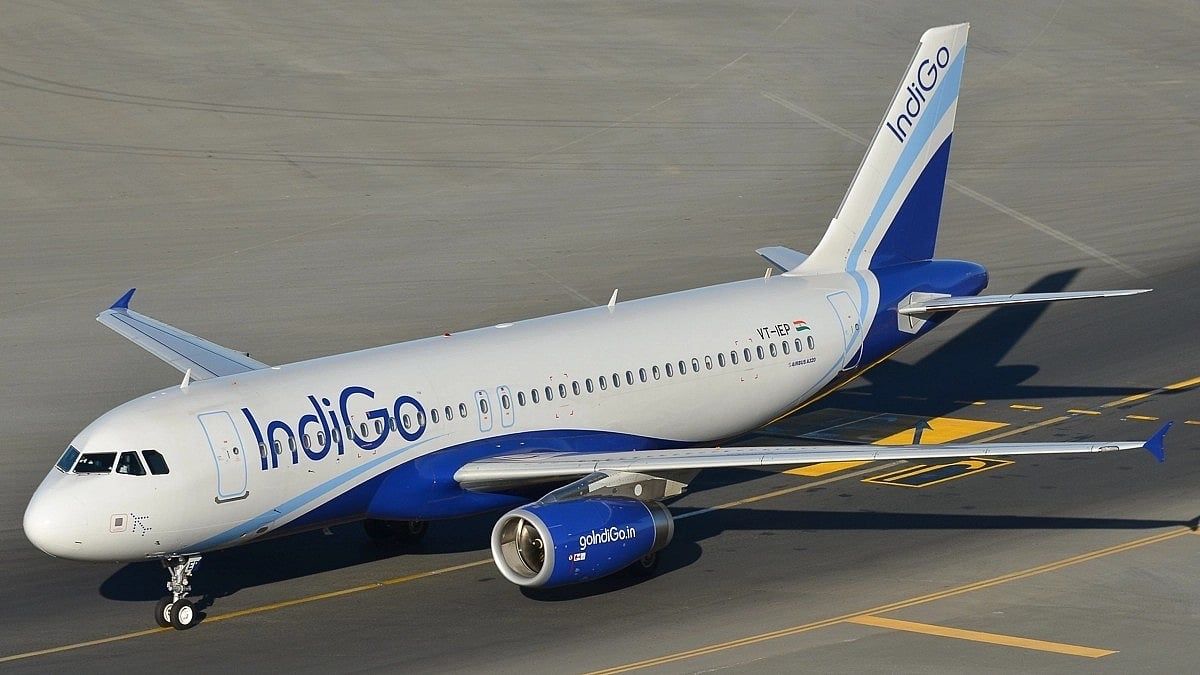
What began as a schedule adjustment for the nation’s largest airline has erupted into a full-blown national travel crisis. Over a thousand flights cancelled in a day, fares soaring to obscene heights, and tens of thousands of passengers stranded—this is not merely an operational glitch. The IndiGo mess is a stark indictment of what happens when corporate arrogance meets regulatory timidity, with the ordinary citizen paying the ultimate price.
At its core, this crisis was entirely predictable. The writing was scrawled on the wall. The Directorate General of Civil Aviation (DGCA) provided airlines with an 18-month runway to adapt to new crew rest rules designed to combat pilot fatigue. These rules, which sensibly increase mandatory rest and limit punishing night schedules, were a long-overdue step for aviation safety. Yet, IndiGo, commanding a mammoth 65% market share, chose a path of wilful negligence. While competitors hired, the airline enforced a hiring freeze. While others adjusted, it maintained a rigid, ultra-lean operational model that treated pilots as mere cogs in a machine, entering into questionable “non-poaching” pacts to suppress wages.
The airline’s leadership concluded that its market dominance would enable it to pressure regulators into diluting its shares. This was a catastrophic misjudgement. The result is a spectacular own-goal that has shattered its reputation for reliability and exposed the profound risks of a market controlled by a single player. When IndiGo sneezes, India’s entire travel economy catches a cold, as evidenced by rival airlines tripling their fares and railways scrambling to add extra coaches.
But the blame does not rest solely with IndiGo. The regulatory response reeks of capitulation. Faced with the airline’s self-inflicted collapse, the DGCA’s solution was to temporarily suspend the very safety norms it rightly sought to enforce. Granting IndiGo a reprieve until February 2026 signals that poor planning and corporate obstinacy will be rewarded with regulatory rollbacks. This sets a dangerous precedent: any future safety or environmental regulation can be offset by the threat of corporate disruption. The government’s formation of a four-member probe panel is a belated step, but it must answer why warnings were ignored and why oversight was so lax.
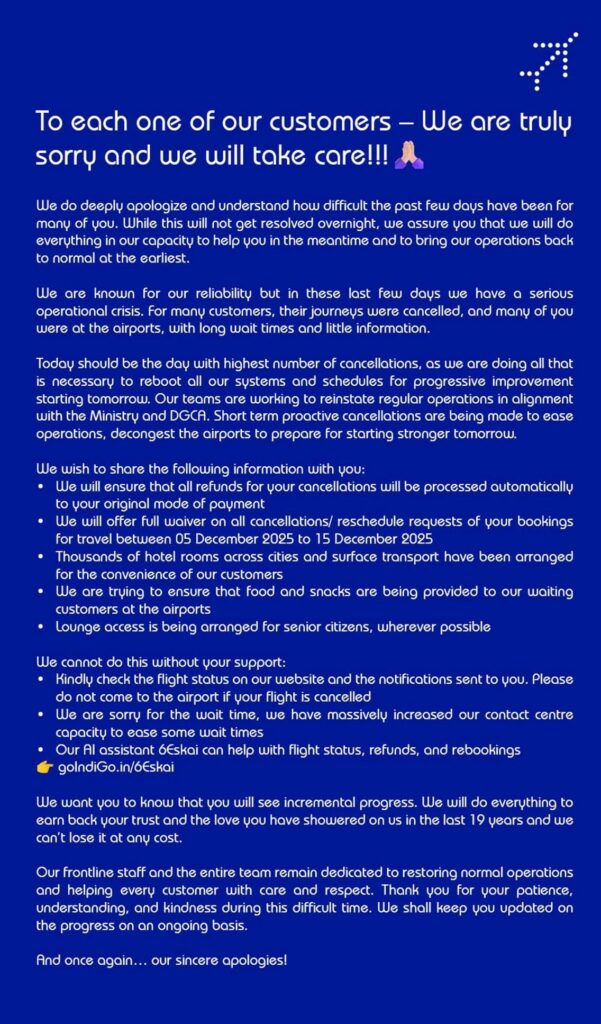
The actual victims, as always, are the passengers. Families have missed weddings, professionals have forfeited crucial business, and individuals have endured hours of confinement in airport terminals with scant information or recourse. The social contract of air travel—payment for safe, scheduled transit—has been broken. That IndiGo’s CEO now speaks of a “reboot” is cold comfort to those who have already suffered.
This episode must serve as a lesson. First, it underscores the perils of excessive market concentration. A healthy sector requires multiple robust competitors to ensure resilience. Policymakers must foster genuine competition, not de facto monopolies. Second, regulators must be empowered with spine and foresight. Compliance timelines should be ironclad, and the threat of severe penalties for obstructive non-compliance must be real. Finally, corporate India must learn that sustainable growth cannot be built on the brittleness of maximized efficiency at all costs. Resilience, employee welfare, and operational buffers are not extravagances; they are the bedrock of dependable service.
We must not forget the lessons of this chaos. The journey ahead requires a recalibration: of corporate priorities toward responsibility, of regulatory authority toward steadfastness, and of market design toward actual competition. The traveling public deserves nothing less.
Bikram Vohra is a Senior Journalist & Consulting Editor with Indian Aerospace & Defence

