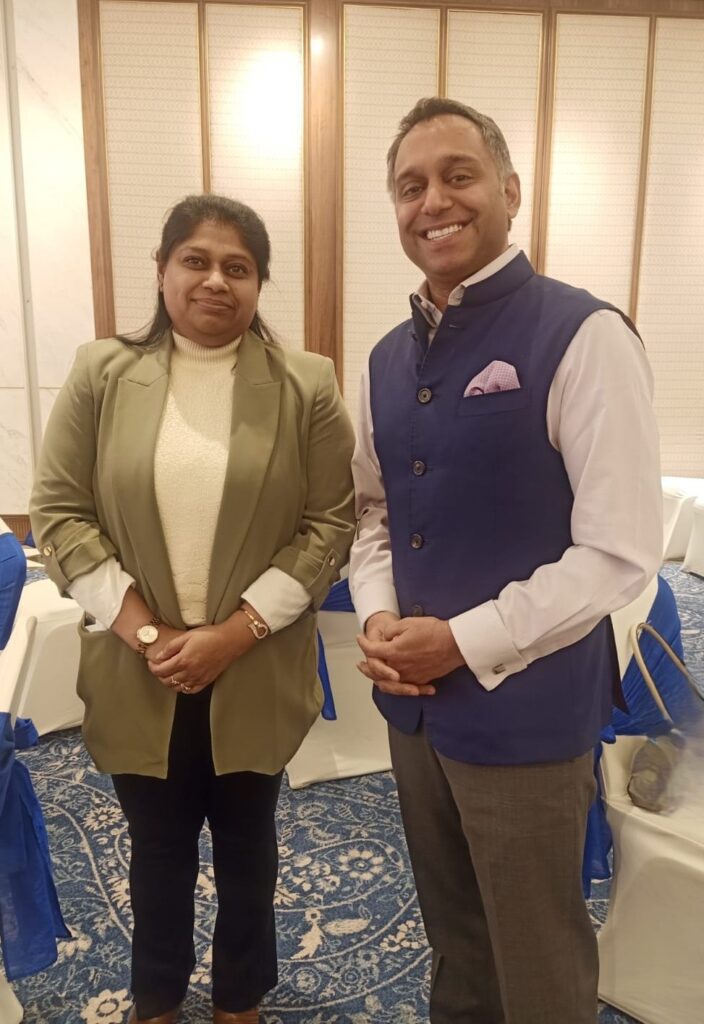
Chaitali Bag
Boeing’s deepening collaboration with India is a testament to the visionary power of partnerships to propel global aerospace innovation to new heights! As the company strengthens its local MRO capabilities through initiatives like the Boeing India Repair Development and Sustainment (BIRDS) program and continues nurturing talent through programs such as BUILD and the Sukanya initiative, India’s aerospace and defence ecosystem is poised for extraordinary growth as Indian Aerospace & Defence gets exclusive insights from Salil Gupte, President, Boeing India & South Asia on its longstanding zero-tariff commitment and decades of engagement in India that perfectly align with the nation’s ambitious Aatmanirbhar Bharat agenda, fostering self-reliance while nurturing global excellence. In an era marked by evolving trade dynamics and expanding strategic ties between India and the United States, such collaborations promise a future where advanced technological exchange, entrepreneurship, and sustainability drive a resilient aerospace industry—one that not only takes flight but soars beyond boundaries!
Q. In light of Boeing’s expanding engagement with India’s manufacturing sector and its long-standing commitment to maintaining a zero-tariff environment in aerospace and defence since 1979, how might future collaborations between Indian enterprises and global aerospace companies evolve, particularly in the context of shifting geopolitical dynamics and ongoing trade negotiations between India and the United States?
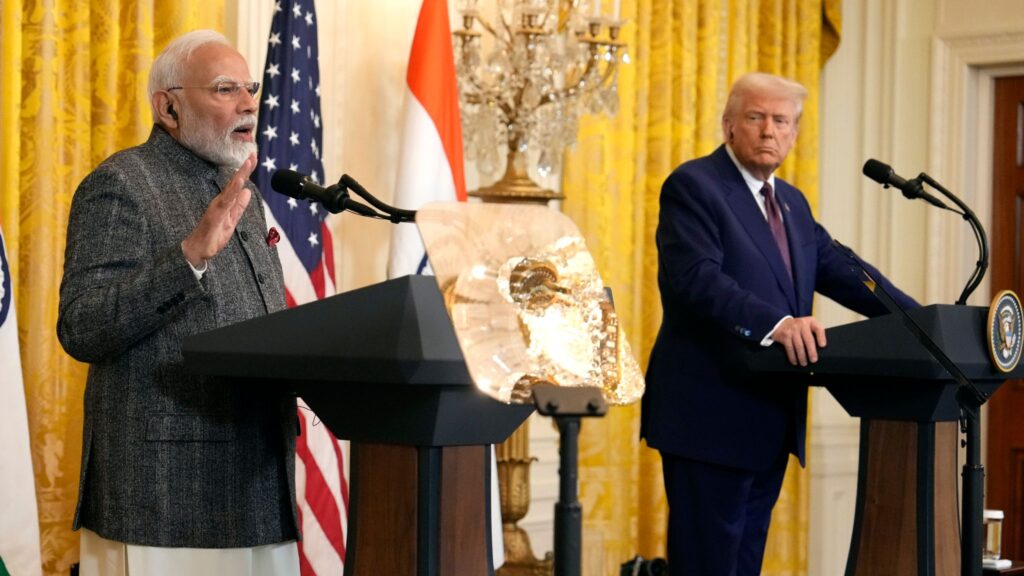
A. Boeing’s manufacturing and engineering footprint remains largely based in the U.S., and so naturally, the U.S. is the cornerstone of our global operations. At the same time, the unique talent and supply chain capabilities in international markets, including India, serve local needs and also enhance our global capabilities, driving advancements for Boeing and the industry. The Joint Statement of President Trump and Prime Minister Modi from earlier this year actually called out the opportunities for collaboration in this regard, as both countries continue to see tremendous potential in working together on industrial development for aerospace & defence. Given Boeing’s eight decades of presence in India, we remain committed to working with local partners, investing in talent development, and meeting the needs of the nation for an aerospace and defence ecosystem.
Q. How have Boeing’s initiatives, such as the Boeing University Innovation Leadership Development (BUILD) program and earlier efforts like the Boeing HorizonX India Innovation Challenge and the Accelerated Aircraft Maintenance Engineers Apprenticeship program, contributed to fostering innovation, entrepreneurship, and skill development within India’s aerospace and defence industry?
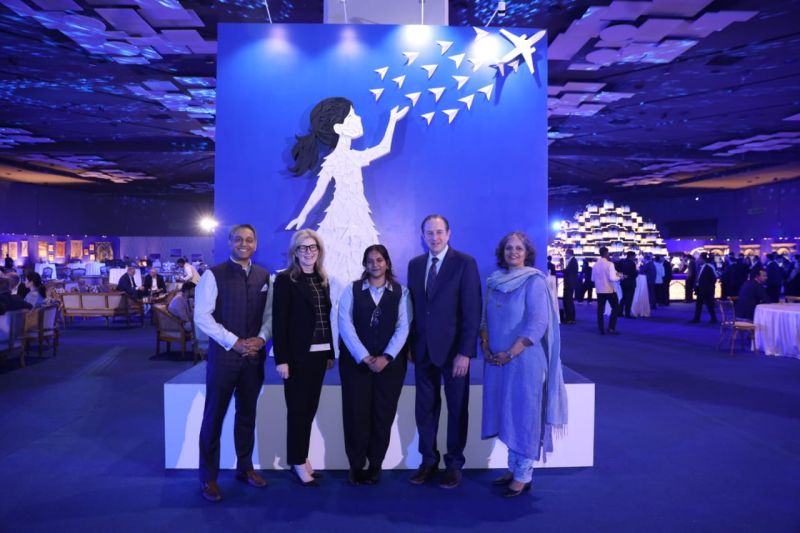
A. Boeing’s commitment to developing India’s aerospace talent ecosystem is long-standing. Initiatives such as the Boeing University Innovation Leadership Development (BUILD) program have helped connect young innovators, entrepreneurs, and startups to real-world aerospace challenges, fostering a culture of co-creation and entrepreneurial thinking. The Accelerated Aircraft Maintenance Engineers Apprenticeship program builds hands-on capabilities for high-demand roles in aviation services. The Boeing Sukanya Program, launched in 2024 by the Hon’ble Prime Minister of India, promotes women’s participation in aviation through STEM labs, digital skills, and pilot training. The Kaushal initiative supports differently abled individuals and underserved youth with certified training in aircraft maintenance. At the same time, the Veterans Skilling Program has trained over 22,000 ex-servicemen and their families for civilian careers in aerospace. Together, these initiatives reflect Boeing’s long-standing approach: connecting young talent to real-world aerospace challenges and enabling participation. Boeing is helping shape a future-ready workforce that supports India’s journey of aerospace and defence industrialization.
Q. To what extent can Boeing’s initiative to encourage its component suppliers to establish maintenance, repair, and overhaul (MRO) facilities in India be expected to strengthen the country’s aviation ecosystem, and how might this align with India’s broader policy of promoting domestic MRO capabilities through liberalized foreign direct investment and expanding airport infrastructure?
A. Boeing’s efforts to localize Maintenance, Repair, and Overhaul (MRO) capabilities in India are central to its long-term strategy of supporting operational efficiency, economic growth, and self-reliance across the aviation ecosystem. The Boeing India Repair Development and Sustainment (BIRDS) program is a cornerstone of this approach, designed to build a robust MRO infrastructure for both defence and commercial platforms. By combining resources across civil and defence sectors, BIRDS enhances cost-effectiveness, reduces turnaround times, and introduces advanced defence technologies into civil aviation, fostering innovation across both domains.
These efforts directly support India’s Aatmanirbhar Bharat vision. Boeing’s in-country development includes state-of-the-art facilities such as the C-17 MRO and training center at Hindon and the P-8I training facility at Rajali, which ensure operational readiness and set industry benchmarks for excellence. The program also creates high-skilled jobs, attracts foreign investment, and fosters the growth of Micro, Small & Medium Enterprises (MSMEs). Where more work remains is in component and engine MRO. That’s why Boeing is actively encouraging OEM partners to deepen their footprint in India. As customs, tax, and repair-exchange norms evolve, India is well-positioned to become a regional MRO hub, retaining maintenance spend that previously flowed overseas and strengthening its aviation infrastructure.
Q. How is India’s air cargo and freighter segment expected to evolve, and which structural or market forces are influencing its growth?
A. Approximately half of the global demand for conversions is expected to come from the regions of Asia and Africa, including India. This is driven by the rapid expansion of e-commerce and the electronics manufacturing industry, which has revolutionized customer expectations and supply chain needs. Global e-commerce revenues are projected to reach more than double pre-pandemic levels by 2026, with air cargo playing a key role in emerging markets lacking well-established ground and postal networks. The rise of high-end electronics manufacturing in India, such as smartphones and wearables, along with other high-value-added manufacturing, like semiconductors, is creating opportunities for future air cargo growth.
India’s domestic air cargo trade is forecasted to continue rapid growth at 6.9% per year over the next two decades. The growth is driven by factors including the overall expansion of the Indian economy and increased demand for air cargo transportation. Furthermore, the expansion of India’s e-commerce sector is contributing to the demand for efficient and reliable logistics and transportation solutions. This has led to the entry of cargo carriers into the Indian market that are operating a range of freighters, including the Boeing 737-800 Boeing Converted Freighter, to cater to the growing demand for air cargo services.
Q. What kind of role do you see Boeing play in the growth of India’s civil aviation sector in the coming years?
A. With a partnership spanning over eight decades, Boeing is today the largest foreign OEM sourcing from India through a network of over 325 suppliers, including more than 25% MSMEs that form an integral part of our global supply chain. Supporting the Aatmanirbhar Bharat initiative is central to our long-term strategy. Partnerships are crucial for supporting India’s aviation growth while improving operational efficiency and ensuring safety. Boeing is also open to supporting India’s Regional Transport Aircraft (RTA) programme, which aims to develop a commuter aircraft with a range of 600–700 km. We see an opportunity to support advanced manufacturing to help India scale production efficiently. This initiative aligns with India’s long-term aviation and industrial ambitions and complements our broader commitment to building a robust ecosystem, including pilot training, MRO, and aerospace industrialisation. Additionally, some of the recent contributions made by Boeing include the following:
- In 2025, we partnered with HPCL to help advance India’s sustainable aviation fuel (SAF) ecosystem and support the Indian Government’s environmental goals.
- In 2024, in alignment with the guidance provided by the Honorable Prime Minister, Boeing initiated the Boeing Sukanya Program aimed at promoting women’s participation and leadership in aviation through STEM education and scholarships.
- In 2024, Boeing set up the India Distribution Center in Khurja, Uttar Pradesh, for regional customers to maintain higher fleet utilization and mission readiness rates.
- In 2023, Boeing and GMR Aero Technic are partnering to establish a new Boeing Converted Freighter line in Hyderabad. This collaboration supports cargo growth and expands aircraft modification capabilities and MRO services in India. It contributes to India’s ambition of becoming a regional MRO hub.
- India is a strategically vital region for Boeing, supported by its Global Strategic Initiatives team and the establishment of a Global Support Center in Gurugram. Together, these efforts drive growth, safety, innovation, and sustainability through key programs like the India Air Cargo Symposium, India Pilot Roundtable, Executive Development Programs, Sustainability Workshops, and tailored operational efficiency projects for airline customers, regulatory bodies, and industry stakeholders.
- To support the growing demand for pilots and technicians, in 2023, Boeing announced a $100 million investment in infrastructure and programs to train pilots in India, which will support India’s need for new pilots over the next 20 years.
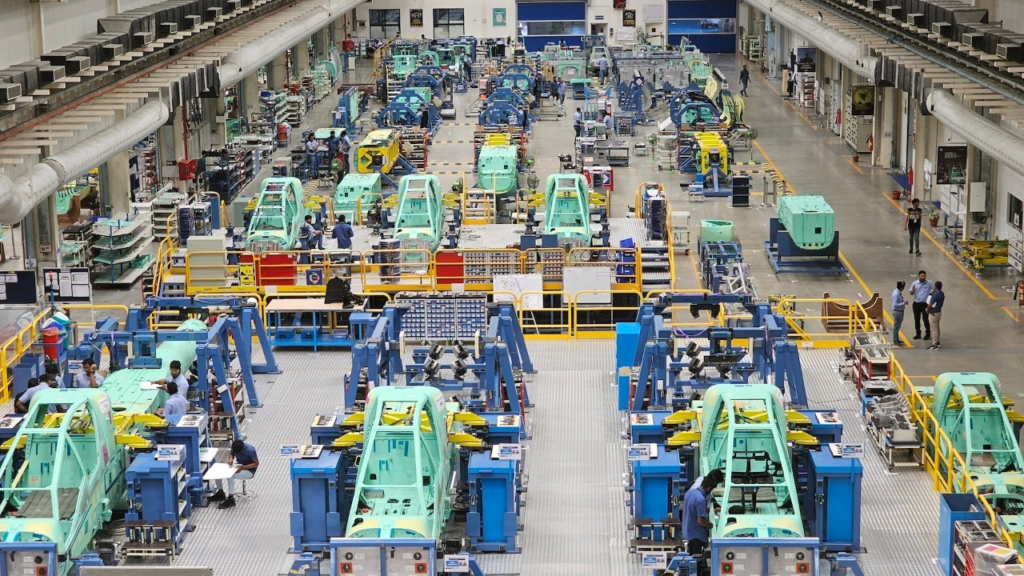
- In 2023, we shipped the first 737 vertical fin from our joint-venture facility, Tata Boeing Aerospace Limited (TBAL) in Hyderabad.
Boeing will continue investing in local manufacturing, co-production, co-development, skill building, and innovation to strengthen India’s aerospace, defence, and commercial aviation ecosystem. India remains central to Boeing’s long-term growth, driven by our commitment to safety, innovation, and sustainability.