
By Chaitali Bag
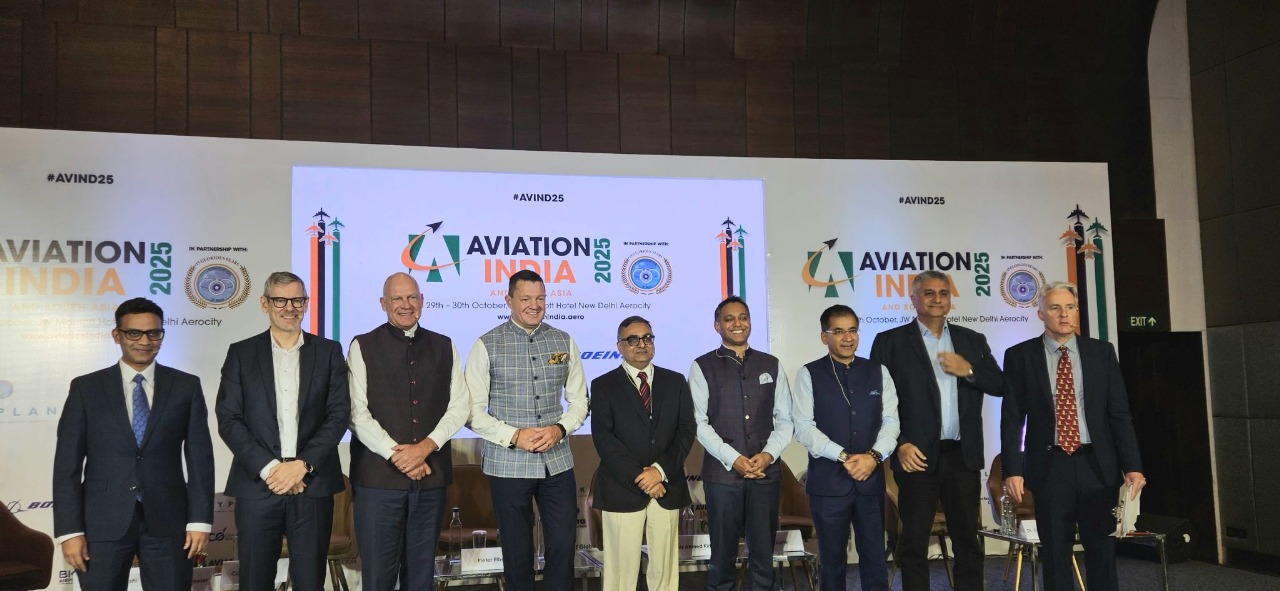
The Aviation India South Asia Summit & Exhibition 2025 took off with high energy, optimism, and the unmistakable buzz of transformation that defines India’s aviation landscape today. The much-anticipated Leaders’ Debate opened the event on a powerful note, bringing together some of the most influential voices shaping the skies of tomorrow. For perhaps the first time, the titans of India’s aviation industry—spanning airlines, aerospace manufacturing, maintenance, and government—shared a single stage to exchange candid insights on the future of flight in India.
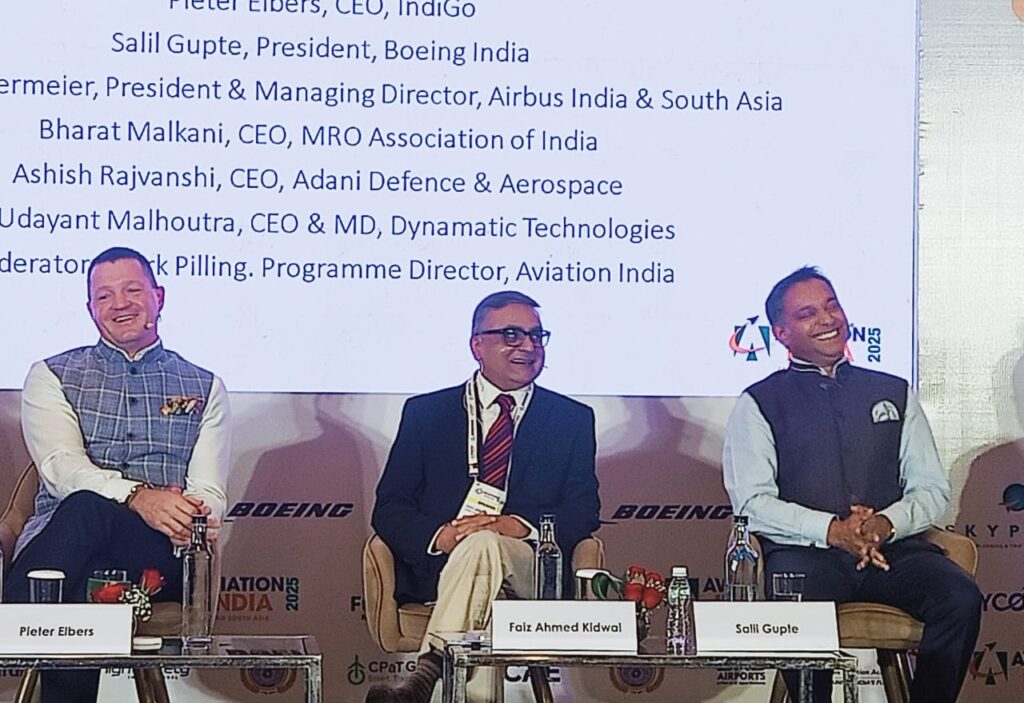
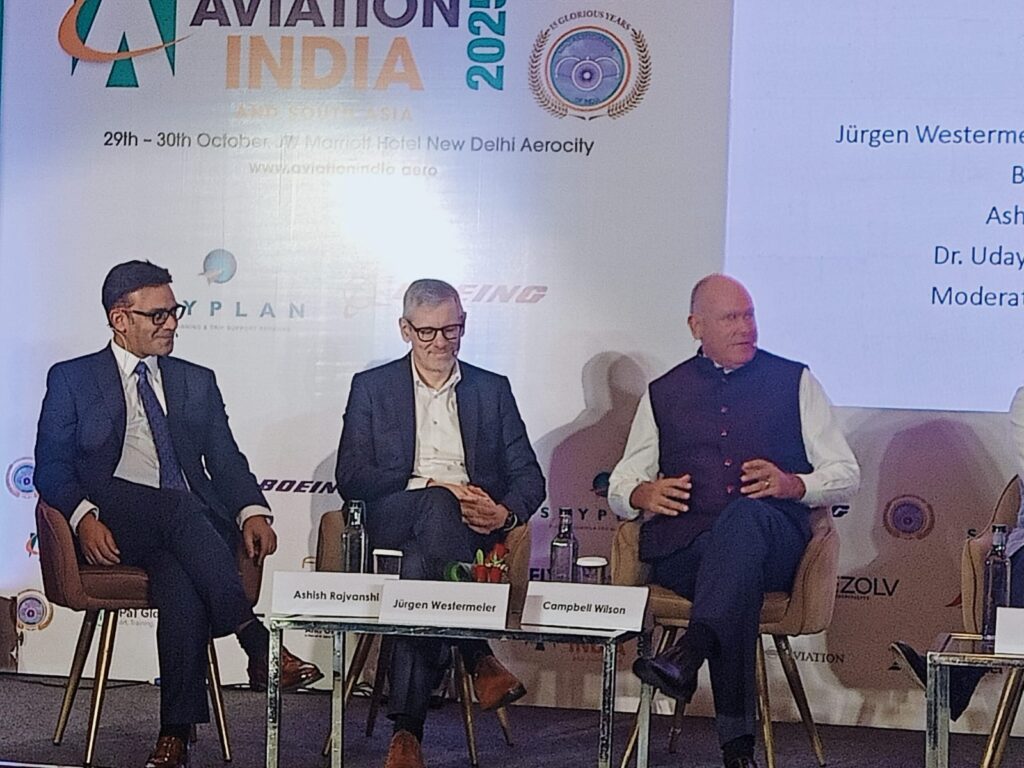
At the heart of the discussion was a resounding message: collective intent and collaboration are the twin engines propelling Indian aviation into its next era. Leaders such as Faiz Ahmed Kidwai, Director General of Civil Aviation; Air India’s Campbell Wilson; IndiGo’s Pieter Elbers; Boeing India’s Salil Gupte; Jurgen Westermeier, Airbus India & South Asia’s; Bharat Malkani, MRO Association of India, Ashish Rajvanshi, Adani Defence & Aerospace, Dr Udayant Malhoutra, Dynamatic Technologies symbolized the spirit of partnership that transcends competition. Despite representing organizations that often compete fiercely, the tone of the discussion was distinctly cooperative, centered on how joint efforts can amplify growth and innovation across the aviation value chain.
As the debates unfolded, one could sense a shared passion—an eagerness to not only talk about progress but to build an aviation ecosystem that is globally competitive, technologically advanced, and sustainable. India’s aviation story has evolved from being an emerging market into a global growth leader. Years of reforms, policy modernization, and infrastructural upgrades are now paying dividends, giving India a credible claim to being one of the most dynamic aviation markets in the world.
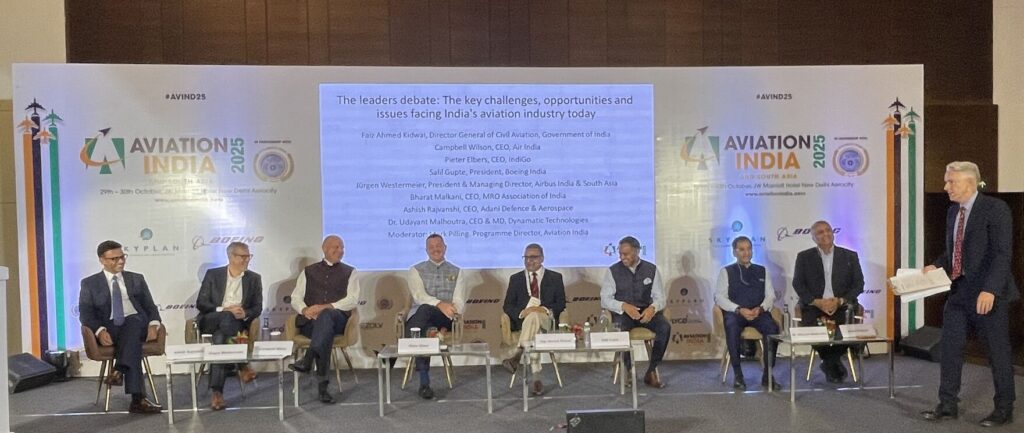
A particularly inspiring element of the conversation was the industry-wide commitment to nurturing talent. Everyone—from OEMs to MROs, from airlines to aerospace innovators—stressed the importance of developing the human capital that will fuel India’s aviation ambitions. The vision is not just to expand fleets or build new airports, but to create a robust ecosystem that powers long-term excellence and innovation, laying the groundwork for India’s ascent as a global aviation hub.
The timing of this summit is symbolic. With India projected to become the world’s third-largest economy by 2030, its aviation sector is perfectly poised to mirror that trajectory of growth. The remarkable synergy among stakeholders highlights a belief that the skies are not a limit but a launchpad—one where collaboration can redefine the very contours of air travel, aerospace manufacturing, and aviation technology in South Asia.
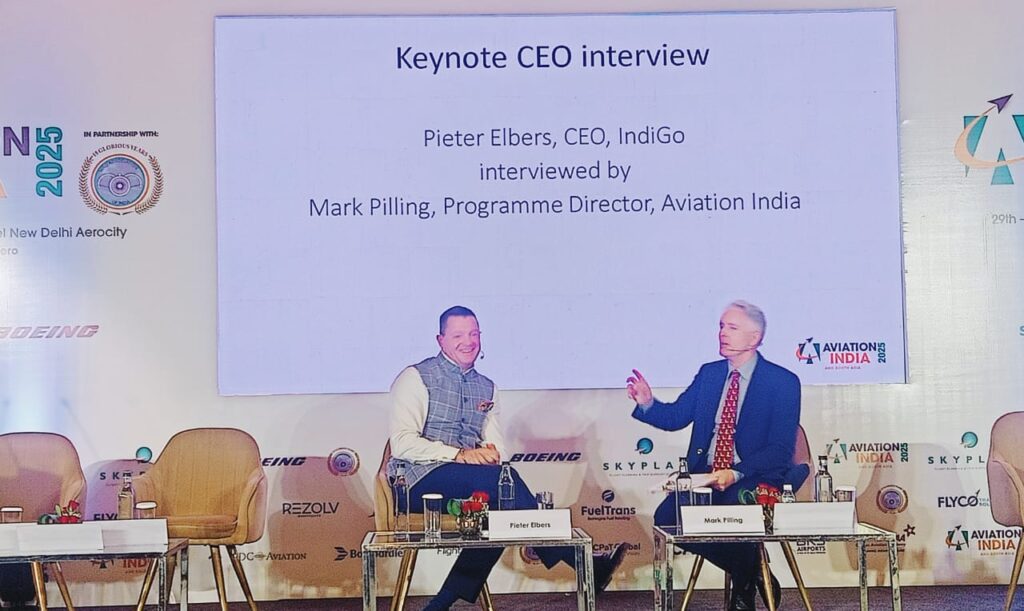
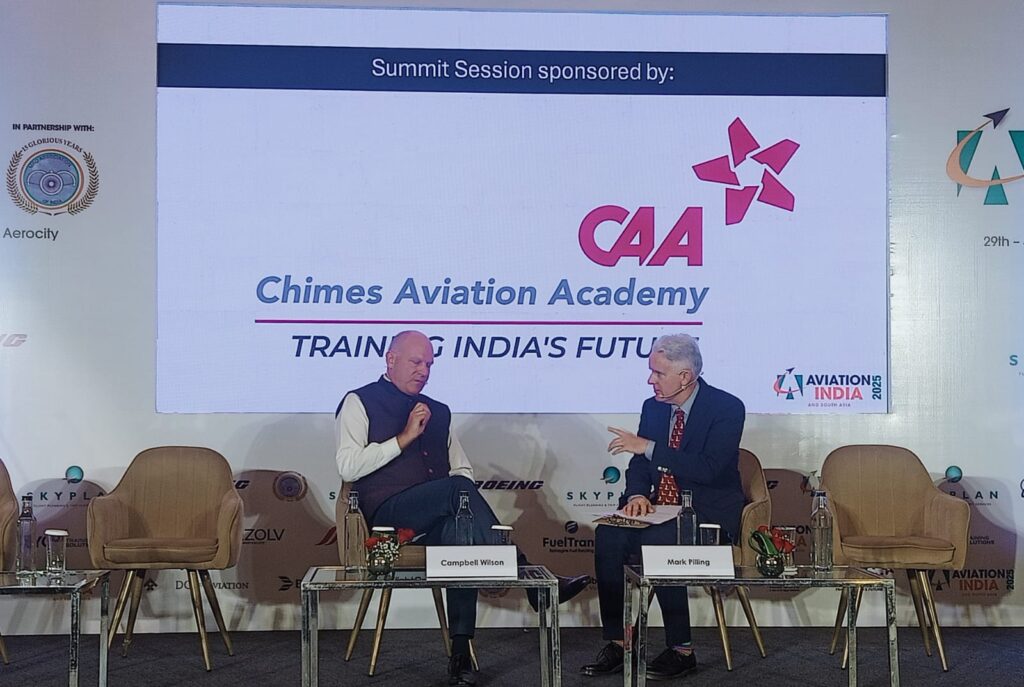
From impassioned keynotes by Pieter Elbers and Campbell Wilson—marking Wilson’s first public engagement in India since the tragic AI171 crash—to the largest-ever leaders’ debate on the future of Indian aviation, the event underscored both purpose and progress. It was more than a forum; it was a celebration of vision, resilience, and forward thinking.
As India readies itself for the next big leap in aviation, the 2025 Summit stands as a testament to what is possible when ambition takes wing with collaboration as its co-pilot. The energy in the room made one thing abundantly clear—India isn’t just flying higher; it’s building the runway for the future of global aviation.
India’s Aviation Revolution: Soaring Towards a New Horizon
India’s aviation sector is currently experiencing a remarkable transformation—one that embodies growth, innovation, and opportunity. With passenger numbers skyrocketing and international players deepening their commitments, the skies over India have never looked brighter. Yet, beneath this exciting ascent lies a compelling need to strengthen manufacturing capabilities, expand infrastructure, and nurture the skilled talent essential to sustaining this momentum. The nation’s aviation journey is one of immense promise, driven by bold reforms and industry collaboration, yet grounded in the recognition that challenges must be turned into opportunities.
In recent years, India has emerged as one of the world’s fastest-growing aviation markets. Expanding fleets, new routes, and upgraded airports have reshaped the industry landscape. However, when compared to its potential—and particularly to markets such as China—domestic travel per capita remains relatively low. This disparity underscores the untapped potential awaiting activation through strategic policy implementation, infrastructure enhancement, and talent development. The government’s efforts to liberalize the sector, particularly around Maintenance, Repair, and Overhaul (MRO) operations, are steps in the right direction. By easing regulations and encouraging private investments, India seeks to anchor a self-reliant aviation ecosystem that can compete globally.
Faiz Kidwai, DGCA, Government of India, captured the spirit of a transformative moment for Indian aviation with remarkable clarity and enthusiasm. He highlighted that while governments traditionally move in a classic, deliberate fashion, the time for aviation’s growth is now! With India’s economy on the rise and greater demand for maintenance, repair, and overhaul (MRO) services, the need for swift action is undeniable. The government, together with the entire ecosystem, is driven to act—not by choice, but by necessity and commitment. What makes this period especially inspiring is the unwavering support across all levels of governance, fuelling confidence that India’s aviation sector is genuinely ready to soar to new heights.
The MRO segment, often overlooked yet vital, stands at the heart of this transformation. As India’s aircraft fleet grows, the demand for efficient MRO services intensifies. Shorter turnaround times and localized repair facilities not only ensure operational efficiency but also foster cost savings and strategic independence. Visionary companies such as Adani have recognized this potential. Their acquisition of Airworks and investments in advanced MRO infrastructure mark a decisive shift from small-scale workshops to organized, technology-driven operations. Moreover, the synergy between India’s civil and defence aviation capabilities further strengthens this sector’s prospects, presenting a unified approach to domestic technical excellence.
Still, one of the most pressing challenges facing India’s aviation growth story is the shortage of skilled professionals. The rapid pace of expansion has outstripped the availability of adequately trained engineers, pilots, technicians, and operations specialists. To close this gap, the industry must focus on comprehensive training programs, public-private collaborations, and education models that align with real-world demands. Initiatives such as setting up Industrial Training Institutes (ITIs) at airports could become game changers, harnessing local talent and equipping them with specialized technical expertise. As air travel demand surges, investing in human capital is not a choice—it is a necessity for long-term sustainability.
Equally important is the continued modernization of infrastructure. India’s ambitious airport development programs and fleet financing initiatives are already bearing fruit, creating an ecosystem where logistics, connectivity, and passenger experience converge. Digital transformation, too, is reshaping how the aviation ecosystem operates, with data-driven MRO systems reducing manual dependencies and improving predictive maintenance accuracy. These improvements promise not just operational excellence but also a more intelligent, more resilient aviation network ready to handle future challenges.
Foreign investment continues to play a pivotal role in this unfolding narrative. Global aerospace leaders like Airbus and Boeing are expanding their footprints in India, not just as buyers or suppliers, but as partners in building a robust local ecosystem. The establishment of new assembly lines, engineering facilities, and joint research programs marks a decisive step toward positioning India as a global aerospace hub. The ripple effect of these collaborations will extend beyond aviation, fuelling innovation, job creation, and technological advancement across sectors.
Soaring to New Heights: India’s Rise in the Global Aerospace Industry
India is stepping confidently into a new era of aviation and aerospace development, and the establishment of final assembly lines for helicopters and aircraft is a landmark achievement that showcases this transformation. These efforts highlight not only the nation’s growing technical capabilities but also the world’s increasing confidence in India’s potential as a vital player in the global aerospace market. Despite a few current challenges, this momentum reflects the country’s unwavering ambition to craft an aviation ecosystem that connects, empowers, and elevates every corner of the nation.
At the heart of this transformation lies dynamic collaboration—between Indian companies and international aerospace giants. Such partnerships are not just about transferring technology; they are about sharing vision. Together, these alliances are nurturing advanced design, testing, and certification capabilities that will shape the future of aviation in the region. The goal is to develop not just aircraft, but an enduring ecosystem capable of supporting India’s ever-expanding transportation needs.
Sustainable growth stands as the cornerstone of India’s aviation strategy. The push to expand capacity, build strategic links to major airports, and ensure efficient resource use underscores a mature understanding of the industry’s long-term needs. Balancing the business case with operational realities is critical—especially as India looks to acquire nearly 200 new aircraft in the coming years. To make such ambitious growth achievable, cohesive policymaking and synergy among government bodies, private enterprises, and regulatory authorities are indispensable.
India’s aviation sector is also defined by a unique characteristic: some of the world’s lowest ticket prices. While this affordability opens the skies to millions of first-time flyers, it also poses challenges for profitability and market sustainability. The solution lies in optimizing operational costs, enhancing efficiency, and expanding air connectivity to smaller towns and regional centers. By linking these lesser-served areas to major aviation hubs, India can unlock enormous economic and social dividends—boosting regional development, creating jobs, and ensuring that the benefits of growth are widely shared.
A holistic vision is finally taking shape—one where a dedicated regional task force becomes the driving force behind progress! With substantial resources, supportive policies, and collaboration among government and private partners, this initiative could become a powerhouse for jobs and tax growth across the country. The timing couldn’t be better—schemes like UDAN are opening skies between the hinterland and the mainland, creating massive demand for new regional aircraft. With about 200 such planes needed, the ecosystem is ready, the partners are aligned, and the momentum is unstoppable. The future of regional connectivity is taking off!
Optimism within the industry is both palpable and justified. Policymakers and industry leaders are aligning to create a future-ready framework that balances innovation with regulation. New policies are being shaped to encourage investment, stimulate technological advancement, and ensure that the skies remain safe, efficient, and sustainable. But the real test will be in execution—turning visionary plans into tangible results.
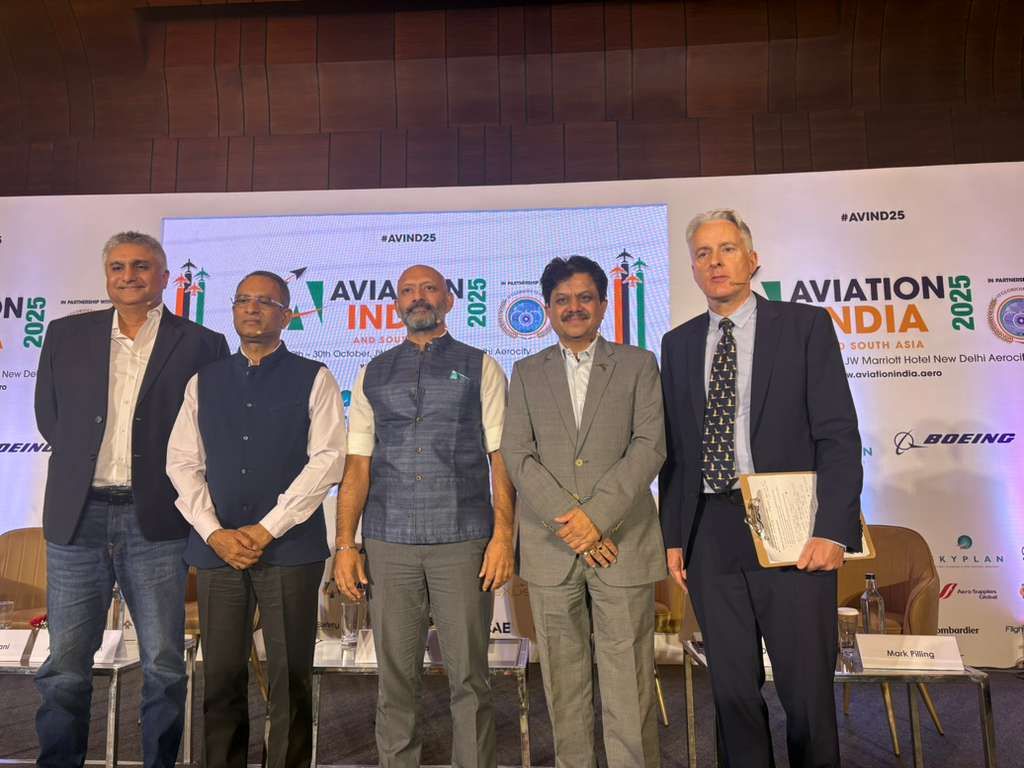
The energy in the room was electric as two power-packed panel discussions brought together visionaries from industry, government, and OEMs, all united by one mission—to accelerate India’s aviation journey! The Leaders’ Debate showcased remarkable collaboration, as stakeholders from airlines, MROs, OEMs, and regulators shared how their collective efforts are driving operational excellence and sustainable growth. This growing synergy reflected a confident industry ready to soar to new heights. In the second panel, leaders from GMR Aero Technic, Air India Limited Engineering, IndiGo Engineering, and Max AeroSpace passionately highlighted the importance of Make in India, policy reforms, and self-reliance as the backbone of a strong, globally competitive MRO ecosystem. With continued policy support, robust infrastructure, and a relentless focus on skill development and innovation, India’s aviation sector is clearly on course to become a global powerhouse—and the momentum has never been stronger!
Ultimately, the Indian aerospace sector stands on the threshold of something extraordinary. It is not just about building helicopters, aircraft, or airports—it is about building confidence, connectivity, and capability. With the right ecosystem and a bold mindset, India can truly become a global aviation powerhouse. The dream of enabling every Indian to fly is no longer a distant aspiration—it is a vision rapidly taking shape, fuelled by collaboration, innovation, and an unshakable spirit of progress.
Soaring Beyond Horizons: The Dynamic Evolution of Aviation in India and South Asia
The skies over India and South Asia are buzzing with opportunity! The aviation industry is not just growing—it’s transforming into a robust ecosystem that reflects the region’s economic vibrancy and global ambition. At the heart of this transformation lies a seamless interplay between government policy, infrastructure development, and the rise of allied sectors such as flight training, tourism, and aviation journalism.
Government policies play a decisive role in shaping this growth story. Initiatives promoting open skies, fair route allocation, and bilateral agreements with other nations have expanded connectivity and competition. Yet, despite the promise of these policies, infrastructure gaps—like airport congestion and limited runway capacity—remain key challenges. Addressing them swiftly will determine how high India’s aviation industry can soar.
India’s aviation market is projected to outpace GDP growth, showcasing a population eager to explore the world. Where once air travel was driven by necessity—family visits, work, or study—it is now increasingly fuelled by leisure and lifestyle. The rise in disposable incomes, easier visa requirements, and affordable airfares are enabling millions of Indians to turn their travel dreams into reality. This mirrors Dubai’s economic model, where aviation and tourism thrive together in a self-reinforcing cycle of prosperity.
The post-COVID recovery underscores the industry’s resilience. Domestic travel has stabilized, and international routes are regaining momentum, signalling renewed confidence. South Asia’s expanding air routes—to destinations such as Saudi Arabia and South Korea—reflect a more connected region, rich in cultural and commercial exchanges. Pilgrimage travellers extending their stay for leisure mark a beautiful merging of tradition and modernity.
The Soaring Future of India–China Aviation
The aviation industry in India is taking off with renewed energy and vision! As the nation refines its aviation policies and ensures the efficient use of traffic rights, a vibrant, competitive landscape is emerging—one that promises exciting opportunities not just for Indian carriers but also for their international counterparts.
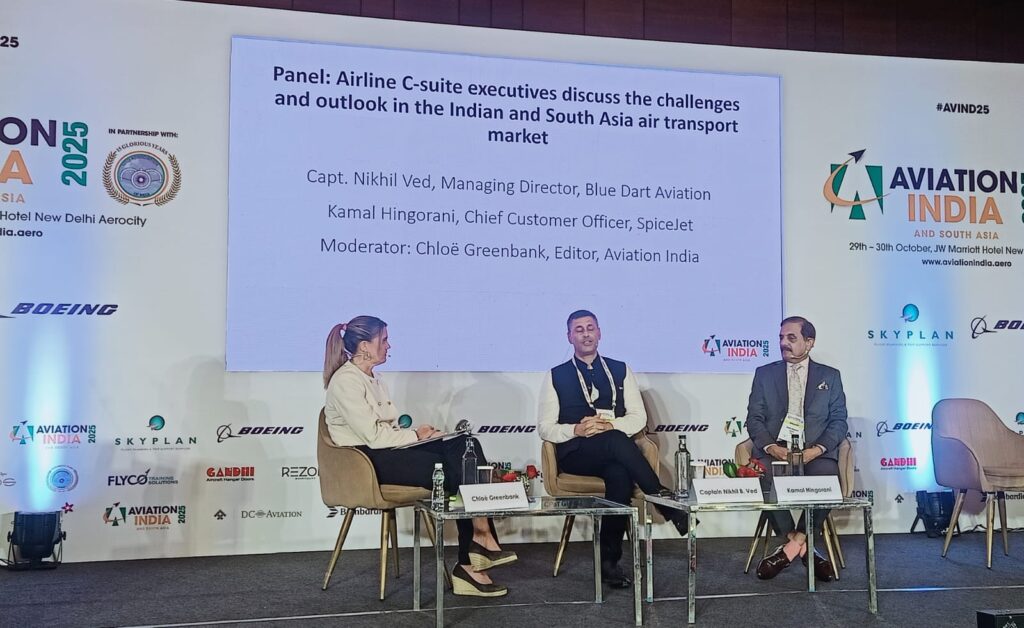
Among the most promising frontiers lies the air corridor between India and China. With two of the world’s largest populations and fastest-growing economies, the potential for expanding air services is simply tremendous. Airlines like IndiGo have already proven the viability of this market, paving the way for more carriers to explore profitable routes that connect these dynamic neighbours.
Of course, the skies are not without turbulence. Competition is fierce, and regulatory challenges continue to shape operations in this low-yield but high-volume market. Yet, these very challenges make the journey all the more worthwhile—encouraging innovation, efficiency, and strategic collaboration.
Beyond economics, the promise of stronger India–China connections extends to culture and friendship. From Bollywood’s fanbase in Beijing to the growing interest in Chinese art and cuisine in India, each flight is a bridge that brings people, ideas, and opportunities closer together.
As both nations refine their aviation policies and invest in modern infrastructure, the horizon looks bright. A more liberal, cooperative approach will not only expand travel options but also strengthen tourism, trade, and mutual understanding. The sky is vast—and for India and China, it’s only the beginning of an extraordinary flight toward shared prosperity.


