
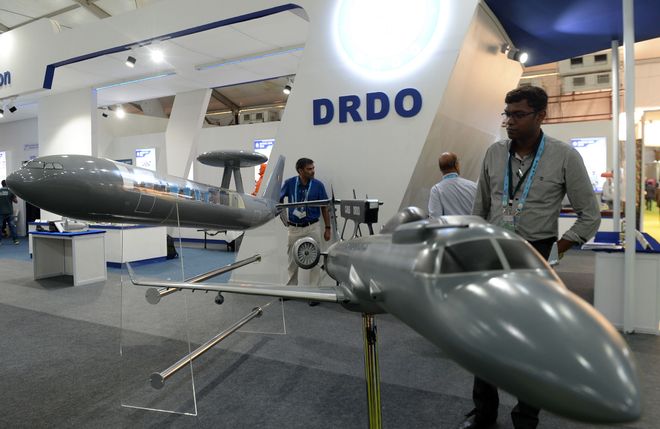

Introduction: The Changing Landscape of Modern Warfare
In the contemporary era, the nature of warfare is transforming at an unprecedented rate. Technological advancements, coupled with the ever-evolving nature of global security threats, have given rise to novel military strategies designed to counter these complexities. Among these new strategies, mosaic warfare is gaining significant attention for its potential to reshape defense operations and military doctrines globally.
Mosaic warfare shifts away from the traditional, hierarchical military structure that has long dominated defense strategies. The traditional approach often relies on large, centralized assets such as aircraft carriers, fighter jets, and heavy artillery—massive platforms capable of executing complex operations but also highly vulnerable to strategic disruption. In contrast, mosaic warfare advocates a decentralized approach, focusing on smaller, modular, and more adaptable units that can be integrated into a larger operational picture, offering a dynamic, resilient defense strategy. This approach integrates unmanned systems, autonomous vehicles, sensor networks, and artificial intelligence (AI), creating an interconnected network of smaller assets that work collaboratively. These units, operating in interdependence, can rapidly adapt to changing battlefield conditions, ensuring continuous resilience and mission execution even in the face of asset losses or unexpected disruptions.
For India, adopting mosaic warfare marks a crucial step toward achieving strategic autonomy and self-reliance, in line with the government’s Aatmanirbhar Bharat initiative. The Defence Research and Development Organisation (DRDO) plays a pivotal role in advancing technologies that support the mosaic warfare framework. Through its innovations, DRDO is helping India’s defense forces move beyond traditional strategies and embrace a future-oriented approach to defense.
In this article, we will explore the key concepts of mosaic warfare, its strategic implications, and the essential role of DRDO in shaping India’s defense capabilities in this new paradigm.
What is Mosaic Warfare?
At its core, mosaic warfare is a military strategy that emphasizes decentralization, adaptability, and flexibility. Unlike traditional military frameworks, which rely on rigid, centralized platforms for major functions, mosaic warfare leverages smaller, modular systems that work in synergy to create a flexible and adaptable operational framework.
In a traditional military structure, large assets like tanks, fighter jets, and aircraft carriers are pivotal to operational success. While these assets have proven effective over time, they come with inherent vulnerabilities. These massive systems, once targeted and destroyed, disrupt the overall operation, creating a critical vulnerability that adversaries can exploit. In contrast, mosaic warfare advocates the use of smaller, more versatile “tiles” that can operate independently or in cooperation, thereby mitigating the risks associated with centralized forces.
These “tiles” can include a wide variety of assets, such as:
- Drones (UAVs & UGVs): Unmanned aerial and ground vehicles tasked with reconnaissance, surveillance, combat, and logistics.
- Autonomous Systems: Self-operating systems that do not require human intervention and can perform a wide range of battlefield tasks.
- Sensors and Communication Networks: A suite of interconnected technologies that ensure continuous real-time data flow across the operational environment, enhancing situational awareness.
- Artificial Intelligence: AI-driven systems that enable autonomous decision-making, optimizing operations across multiple units in real time.
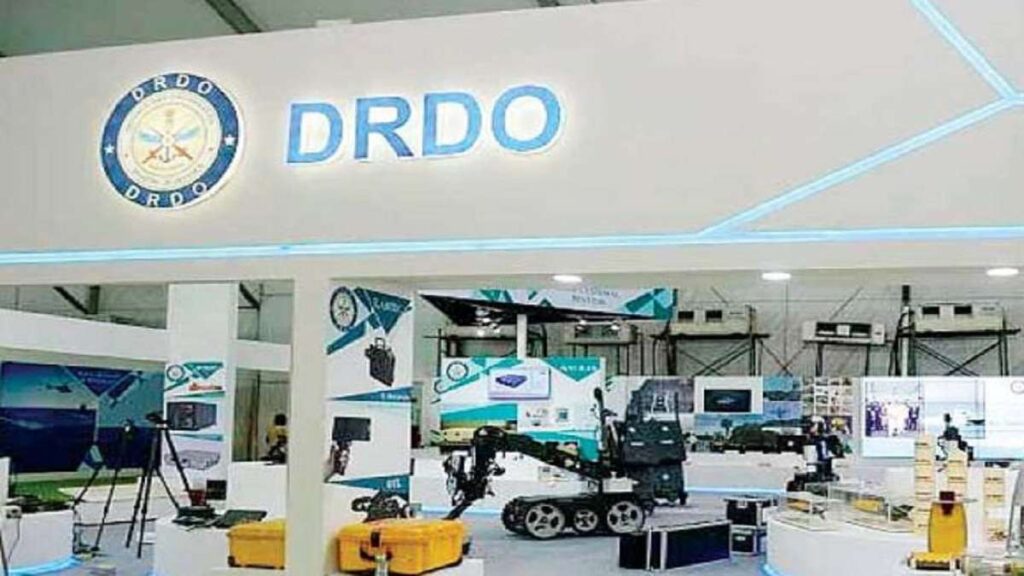
The key advantage of this decentralized structure is resilience. In a mosaic warfare strategy, the loss or destruction of any single unit does not incapacitate the entire system. Instead, the remaining units continue to function, ensuring that the operation maintains its continuity and effectiveness.
The Key Principles of Mosaic Warfare
Mosaic warfare is driven by several principles that distinguish it from traditional military strategies:
1. Modularity
The concept of modularity is central to mosaic warfare. The use of modular systems enables rapid adaptation and reconfiguration of assets to meet the specific needs of a given mission. For instance, a drone that is originally intended for reconnaissance can be quickly reconfigured to carry out strike missions by changing its payload. Similarly, a surveillance robot could be easily modified to deliver supplies or conduct combat operations.
This flexibility allows military forces to optimize resources, reduce dependence on highly specialized systems, and rapidly deploy systems with diverse functions in a single, coordinated effort. The modularity inherent in mosaic warfare enables forces to adapt quickly to any tactical shift on the battlefield, giving them a significant advantage over adversaries who rely on fixed, less adaptable systems.
2. Decentralization
Mosaic warfare emphasizes decentralization of command and control. In traditional military strategies, decisions are often made at a central command post, where senior officers oversee operations and issue orders to lower-level units. This hierarchical structure can create bottlenecks in decision-making, especially in fast-moving, dynamic combat scenarios. Moreover, centralized systems are vulnerable to disruption if the command structure is targeted or incapacitated.
In mosaic warfare, however, decision-making is decentralized, with individual units or “tiles” capable of making autonomous decisions based on real-time data. This decentralization ensures that each unit can operate independently without constant communication with a central command. However, when necessary, the units can collaborate to achieve common objectives, ensuring the overall mission stays on track. This reduces the risk of a single point of failure and enhances the agility of the force.
3. Interoperability
For mosaic warfare to function effectively, the various systems involved must work together seamlessly. This requires interoperability, where diverse platforms—aircraft, autonomous vehicles, satellites, covered aircraft, and ground units—can communicate in real time and share data. The ability to exchange information and coordinate actions between different units is critical to the success of mosaic warfare.
To facilitate this, advanced networking and communication technologies are essential. DRDO defines software-defined radio (SDR) as a technology that enables different platforms to communicate across various frequencies, overcoming the challenge of incompatible communication systems.
In addition to SDRs, secure communication channels are integral to maintaining the integrity of the system. As modern warfare increasingly moves into the cyber realm, ensuring that communications are protected from interception or disruption by adversaries is vital to operational success.
4. Resilience
One of the most prominent advantages of mosaic warfare is its inherent resilience. In traditional warfare, the loss of a large, costly asset—such as an aircraft carrier or a large tank battalion—can result in a catastrophic loss of combat capability. In contrast, mosaic warfare is designed to function effectively even if one or more units are lost.
This resilience is achieved through the modular nature of the force, which allows individual tiles to be replaced, rerouted, or reconfigured with minimal disruption to the overall operation. If one drone is downed or a ground vehicle is disabled, other units in the mosaic can continue operating, ensuring mission continuity.
5. Adaptability
The ability to rapidly adapt to changing battlefield conditions is another hallmark of mosaic warfare. This flexibility allows forces to respond quickly to a wide array of threats, from conventional combat to cyber-attacks, electronic warfare, and more. Because the system is disaggregated and modular, it can reconfigure on the fly, making it well-suited to dynamic and complex battlefields.
For example, suppose a UAV encounters unexpected resistance or environmental challenges. In that case, it can autonomously adjust its mission objectives, ensuring it continues to support the larger operational goals without requiring constant intervention from human controllers.
DRDO’s Role in Developing Mosaic Warfare for India
The Defence Research and Development Organisation (DRDO) plays a pivotal role in translating the concept of mosaic warfare into reality for India. DRDO is at the forefront of developing cutting-edge defence technologies aligned with the principles of mosaic warfare, helping to create a more adaptive, decentralized, and resilient defence force.
1. Unmanned and Autonomous Systems
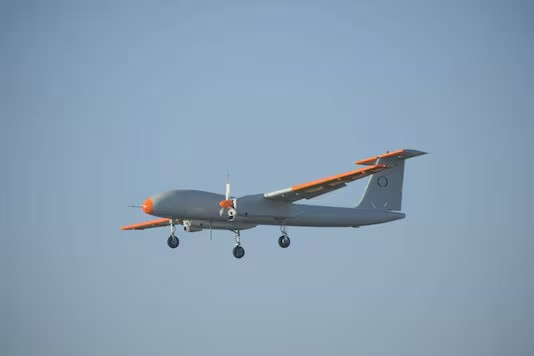
Unmanned systems—whether they are aerial, ground, or maritime—play a crucial role in the development of mosaic warfare. These systems, designed to operate with minimal or no human intervention, provide the flexibility needed to decentralize operations. They are the “tiles” in the mosaic, offering a mobile platform for warfare where each system can perform a specific task and contribute to the overall mission without relying on a single, centralized platform. Unmanned Aerial Vehicles (UAVs), often called drones, are a key element of this movement. They can be used for reconnaissance, surveillance, and targeting, providing critical real-time intelligence for units on the battlefront. DRDO’s development of the Rustom-I and Rustom-2 UAVs marks a significant leap in India’s capabilities to deploy indigenous aerial systems. These UAVs are not limited to intelligence gathering; they can be equipped with precision-strike capabilities, making them versatile platforms capable of carrying out missions such as tactical surveillance, search and rescue, and even direct combat strikes.
The Rustom series, in particular, are medium-altitude long-endurance UAVs that can operate for extended periods, gathering intelligence and conducting surveillance over large areas. Their ability to operate autonomously for extended periods reduces the risk to human life while ensuring critical information is transmitted from contested zones. These UAVs can also be integrated into larger mission networks, where multiple UAVs work together as part of a larger system, sharing data and coordinating actions.
Unmanned Ground Vehicles (UGVs), though less widely deployed than UAVs, also have a vital role in mosaic warfare. DRDO is currently developing UGVs capable of performing reconnaissance, logistics, and even combat roles in environments too hazardous for human soldiers. These robots can navigate through difficult terrain, carry out bomb disposal operations, or serve as forward scouts, providing real-time data to commanders. In combination with other unmanned assets, UGVs can provide a layer of redundancy and resilience to ground operations.
Furthermore, unmanned maritime systems, such as underwater drones and surface vessels, are crucial for monitoring and securing naval borders. DRDO has been working on underwater autonomous systems that could be deployed for surveillance or for anti-submarine operations in contested maritime regions. These autonomous systems offer an advantage in modern naval warfare by reducing the need for human operators in potentially dangerous scenarios.
These unmanned systems can operate independently or in concert with other platforms. When integrated into a mosaic warfare strategy, they ensure that the forces involved are highly adaptable, resilient, and able to respond rapidly to evolving threats.
2. Sensor Networks and Data Fusion
For mosaic warfare to function effectively, real-time data sharing and situational awareness are paramount. Sensor networks and data fusion play a central role in ensuring that each unit—whether a drone, a UGV, or a manned asset—can function effectively, with its data fully integrated into the overall mission network. The most basic level of this technology is the sensor network. These networks typically consist of a combination of different sensors, including radar, infrared, electro-optical, acoustic, and even chemical sensors. DRDO has made considerable advancements in developing sensors capable of providing detailed intelligence. For example, DRDO’s S-band radar systems are designed for both air and ground surveillance. These systems can track targets in real time, ensuring that no adversarial movement goes undetected.
Electro-optical/infrared (EO/IR) systems are another vital asset in this network. These sensors can provide high-resolution imagery of the battlefield, even in low-light conditions. This is essential for identifying targets, mapping terrain, and ensuring precision during operations. These sensors work with other intelligence-gathering systems to provide comprehensive information for both unmanned systems and human commanders. However, the key to utilizing this vast amount of sensor data lies in data fusion. Simply collecting data from various sensors is not enough; the data must be integrated and analyzed in real time to make informed decisions. DRDO has been developing AI-driven data fusion systems to process and analyze data from multiple sources. These systems ensure that target identification is actionable and that the right decisions are made promptly. For example, suppose a drone detects an enemy vehicle via infrared sensors and sends the data to the fusion platform. In that case, the system can then instantly fuse that information with data from other sensors (such as radar or satellite sensors) and provide a single, comprehensive picture of the battlefield. This sensor-fusion process enables real-time situational awareness, a key component of mosaic warfare.
Data fusion is also vital to ensuring that command and control (C2) systems function optimally. It allows integrating various units into a unified system where each component can communicate seamlessly with the others and adapt to changes as they occur.
3. Interoperability and Secure Communication
One of the most challenging aspects of mosaic warfare is ensuring that different platforms can work together as part of a cohesive force. This is where interoperability and secure communication come into play. The various units involved in a mosaic strategy—whether drones, satellites, manned aircraft, or ground systems—must be able to communicate in real time, share data, and coordinate actions across multiple theatres.
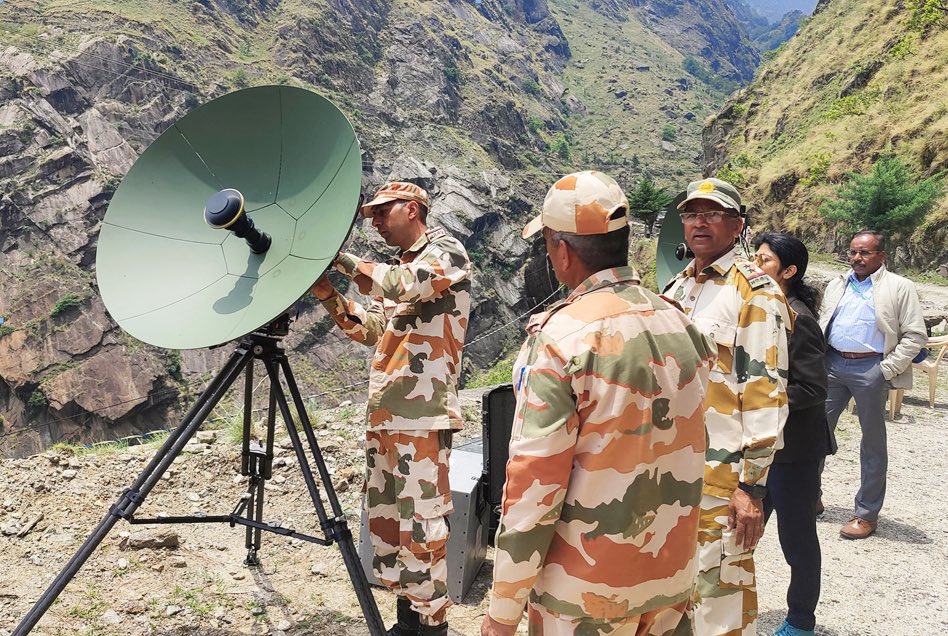
DRDO’s work on software-defined radios (SDRs) is vital in this regard. SDRs are communication systems that can operate across multiple frequencies, enabling the exchange of data between a variety of platforms regardless of their underlying communication protocols. This flexibility ensures that different systems can seamlessly work together, even if they were not originally designed to interact. For example, a Rustom UAV can share real-time surveillance data with a satellite system, which can then relay it to a central command post on the battlefield. This interoperability means that each system in the mosaic can share crucial data and execute coordinated actions, even in a rapidly changing operational environment.
Additionally, in modern warfare, the integrity of communication is critical, particularly in contested environments. Cyberattacks targeting communication networks can cripple military operations. DRDO’s focus on advanced encryption and cybersecurity measures ensures that the communication channels used for mosaic warfare are protected from adversarial interference. The use of encrypted communication channels makes it difficult for hostile forces to intercept or jam communications, ensuring that data and orders are transmitted securely.
4. Artificial Intelligence and Autonomous Decision-Making
Artificial Intelligence (AI) is at the heart of mosaic warfare’s decentralized decision-making structure. In traditional warfare, decisions are typically made by a centralized command that oversees operations. However, in mosaic warfare, the focus shifts to autonomous platforms that are capable of making decisions based on the data they receive and the mission parameters they are programmed with. This enables real-time decision-making that can react to rapidly changing battlefield conditions.
DRDO is heavily invested in developing AI systems that enhance the autonomy of defense platforms. One key area of focus is autonomous navigation for unmanned systems. For example, AI enables a drone to navigate complex terrain, avoid obstacles, and adjust its route in real time, all without human intervention. This autonomy frees human operators to focus on higher-level strategy and enables drones to execute their missions more efficiently.
AI is also crucial in target identification and engagement. Through machine learning, AI systems can process massive amounts of sensor data in real time to identify targets based on various sensor inputs. This capability is particularly vital against drones and complex battlefields, where human operators might struggle to quickly identify the most critical targets. Moreover, AI-driven platforms can adapt to changes on the battlefield, modifying their behavior based on new data. For instance, if an autonomous drone encounters unexpected resistance or changes in weather conditions, it can adjust its flight path and mission objectives accordingly, ensuring the overall mission remains on track.
5. Resilient and Modular Design Philosophy
A foundational principle of mosaic warfare is modularity. This concept refers to the ability to quickly reconfigure systems to perform different tasks as the situation demands. DRDO’s emphasis on modular design ensures that India’s defense capabilities can be adapted to a wide range of missions and environments, from surveillance to kinetic strike. A drone might initially be deployed for surveillance and reconnaissance, but if the tactical situation requires it, it can be easily converted to conduct strike missions or deliver supplies. This modularity enables greater self-sufficiency, as the same platform can serve multiple roles without specialized assets.
Resilience is another key feature of modular design. In mosaic warfare, the failure or destruction of a single “tile” does not jeopardize the entire mission. Because each unit in the mosaic is modular and independent, the system as a whole remains operational even if one component is lost. For example, if a drone is shot down, the network of other UAVs, UGVs, and ground units continues to function, ensuring that the mission does not collapse.
DRDO’s efforts to develop indigenous, modular systems ensure that India’s armed forces are equipped with flexible and adaptive tools capable of responding to diverse challenges, both conventional and unconventional.
Strategic Implications for India:
For India, adopting mosaic warfare offers several strategic advantages. First and foremost, it allows the Indian military to operate more cost-effectively. By relying on smaller, more affordable unmanned systems and networking them together, India can overcome the high costs associated with traditional, large-scale military platforms like fighter jets and aircraft carriers. Mosaic warfare also enhances India’s strategic flexibility. By having a modular force capable of rapidly adapting to different situations, India can respond more effectively to a wide range of threats, from conventional conflicts to cyberattacks and grey-zone warfare. Finally, mosaic warfare aligns with India’s overarching goal of achieving strategic autonomy and reducing reliance on foreign defense technologies. Through the efforts of DRDO and the development of indigenous systems, India can achieve greater self-reliance in defense and strengthen its position as a regional military power.
Conclusion: Building a Future-Ready Defence Force
The transition to mosaic warfare represents a fundamental shift in military strategy, and DRDO is playing a critical role in this transformation. Through its development of autonomous systems, sensor networks, AI technologies, and secure communication platforms, DRDO is building the foundation for a highly adaptive, resilient, and flexible military force. Mosaic warfare ensures that India’s armed forces are prepared for the complexities of modern warfare, enabling them to respond effectively to a wide range of threats while maintaining strategic autonomy and self-reliance. As India continues to enhance its defense capabilities through technological innovation and the application of advanced strategies, such as mosaic warfare, it is well-positioned to safeguard its national interests, protect its borders, and assert its influence in the global arena.
Ms. Suma Varughese is a Distinguished Scientist & Director General MED, CoS&CS (MCC)


